
Last updated November 15, 2026
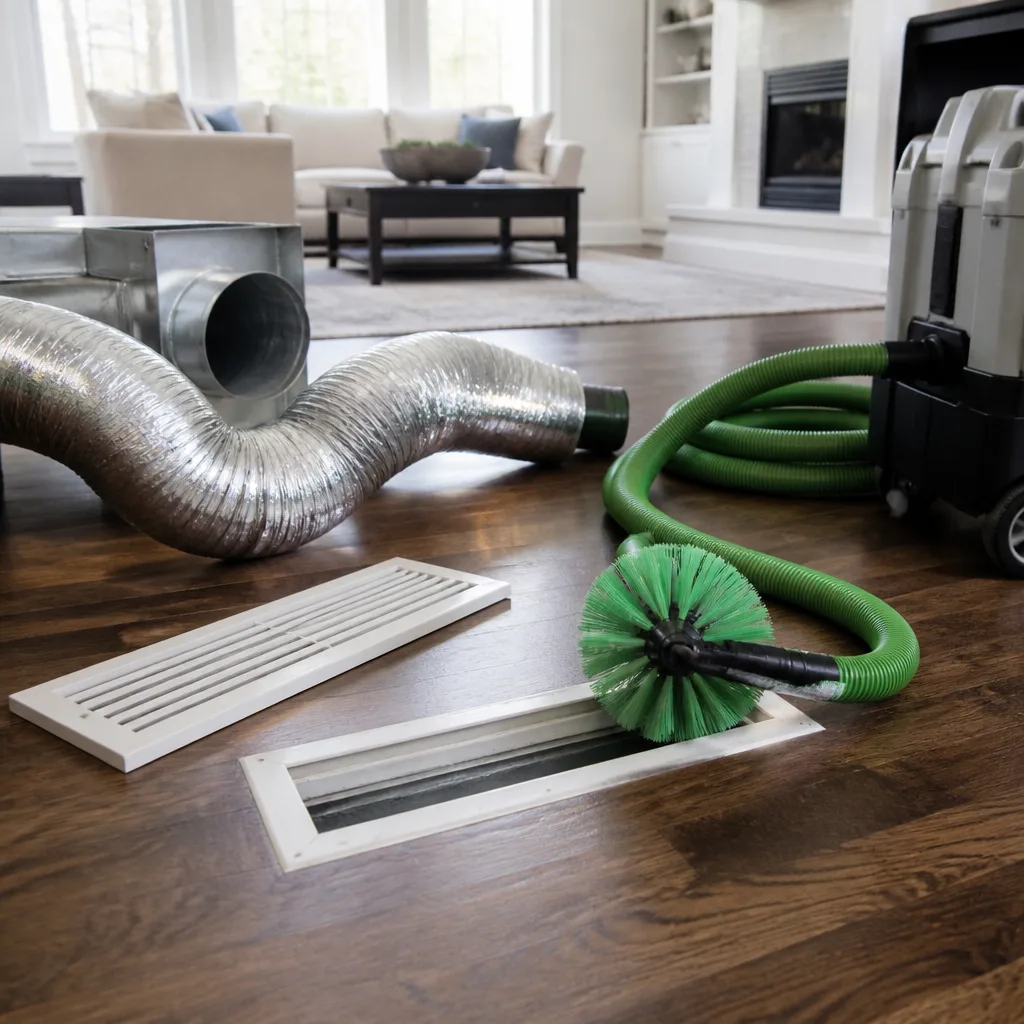 Whole-home duct cleaning
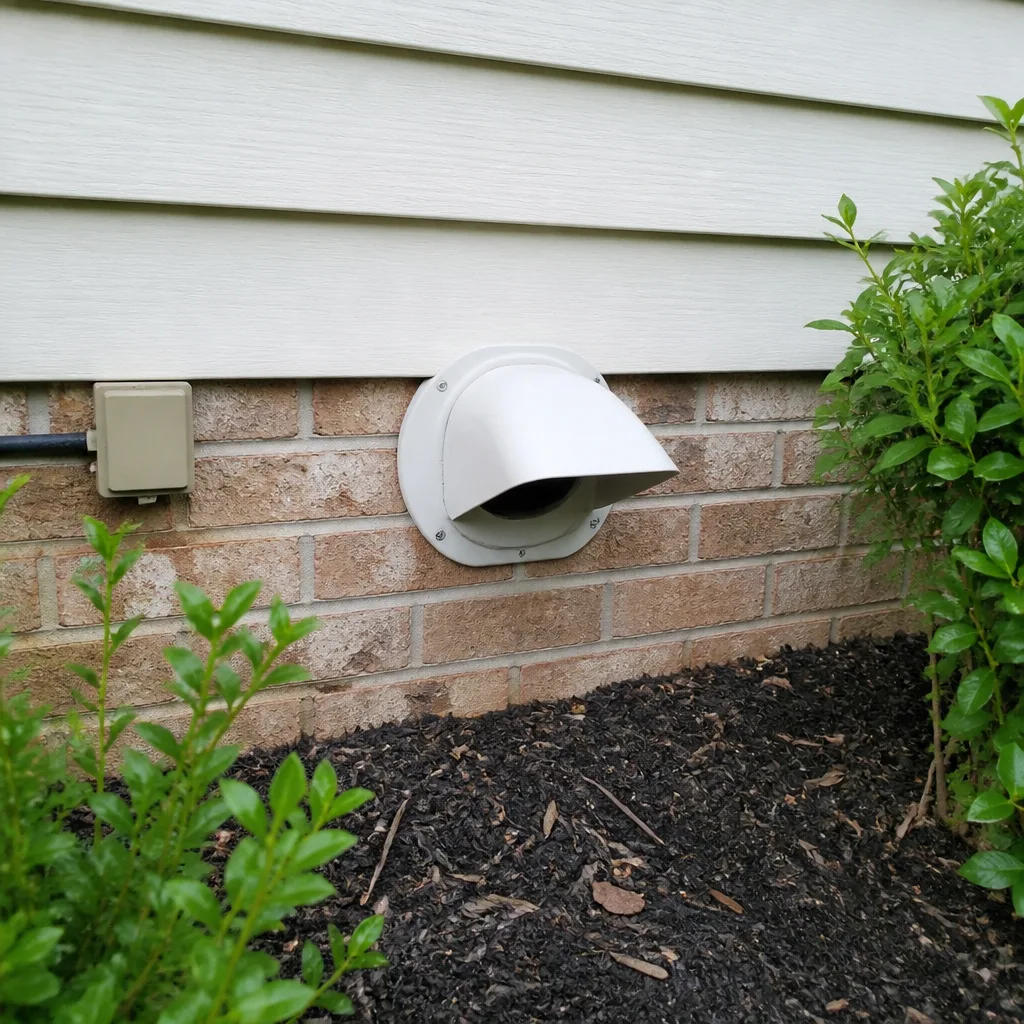 Dryer vent cleaning
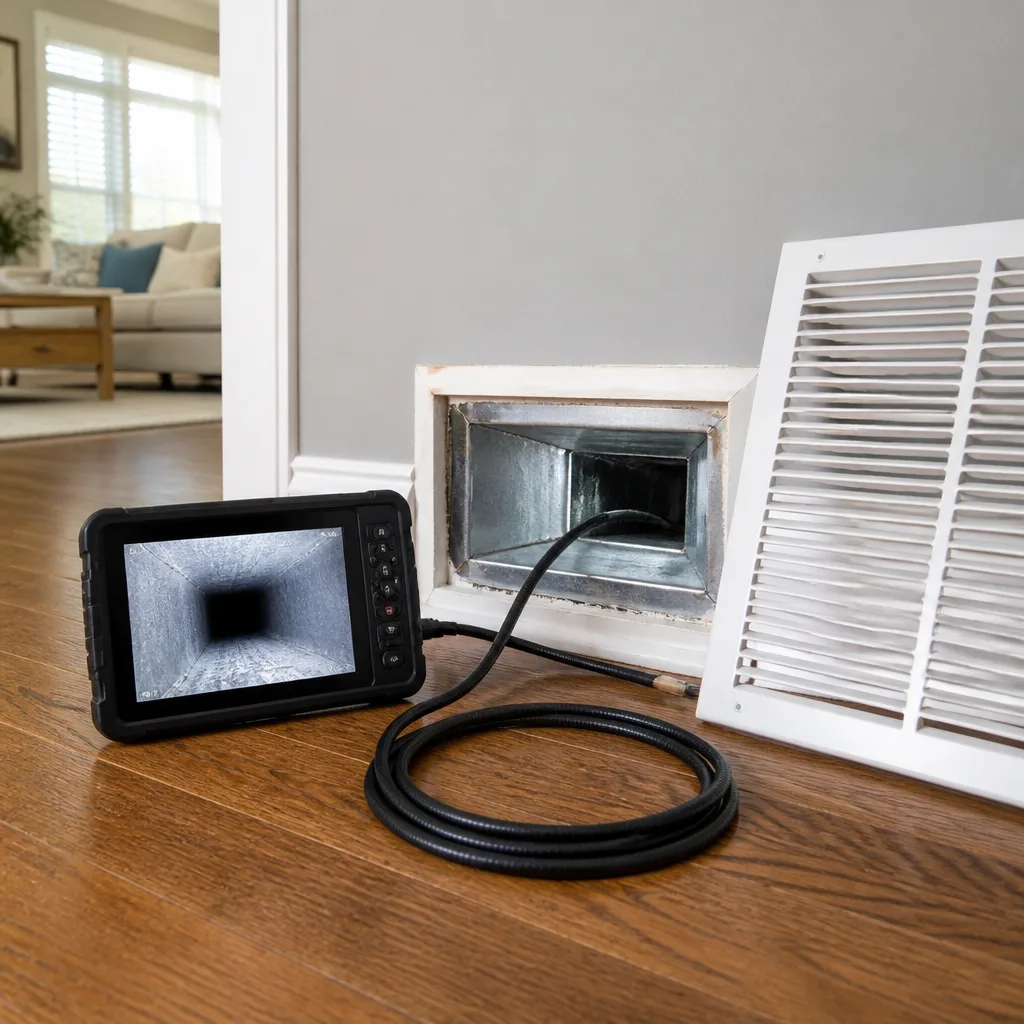 Camera inspection
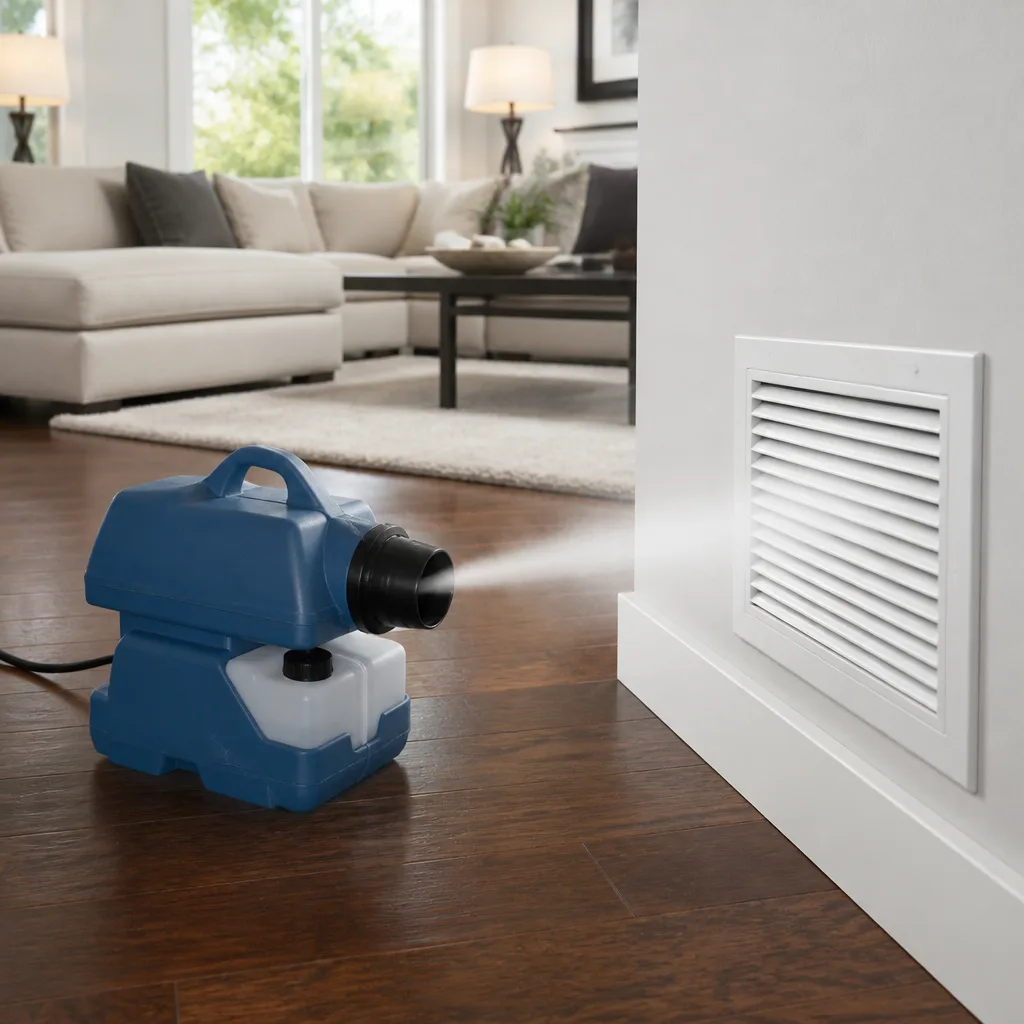 Sanitizing & deodorizing
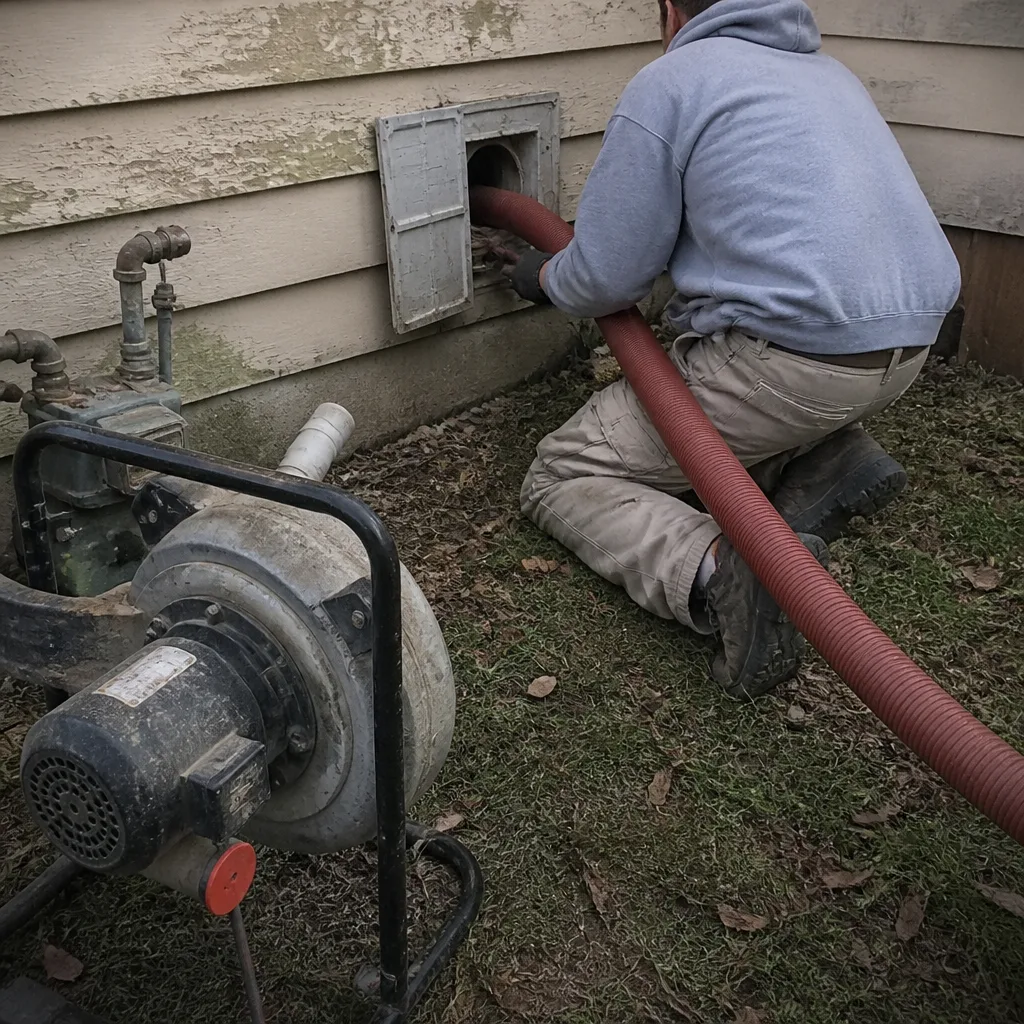
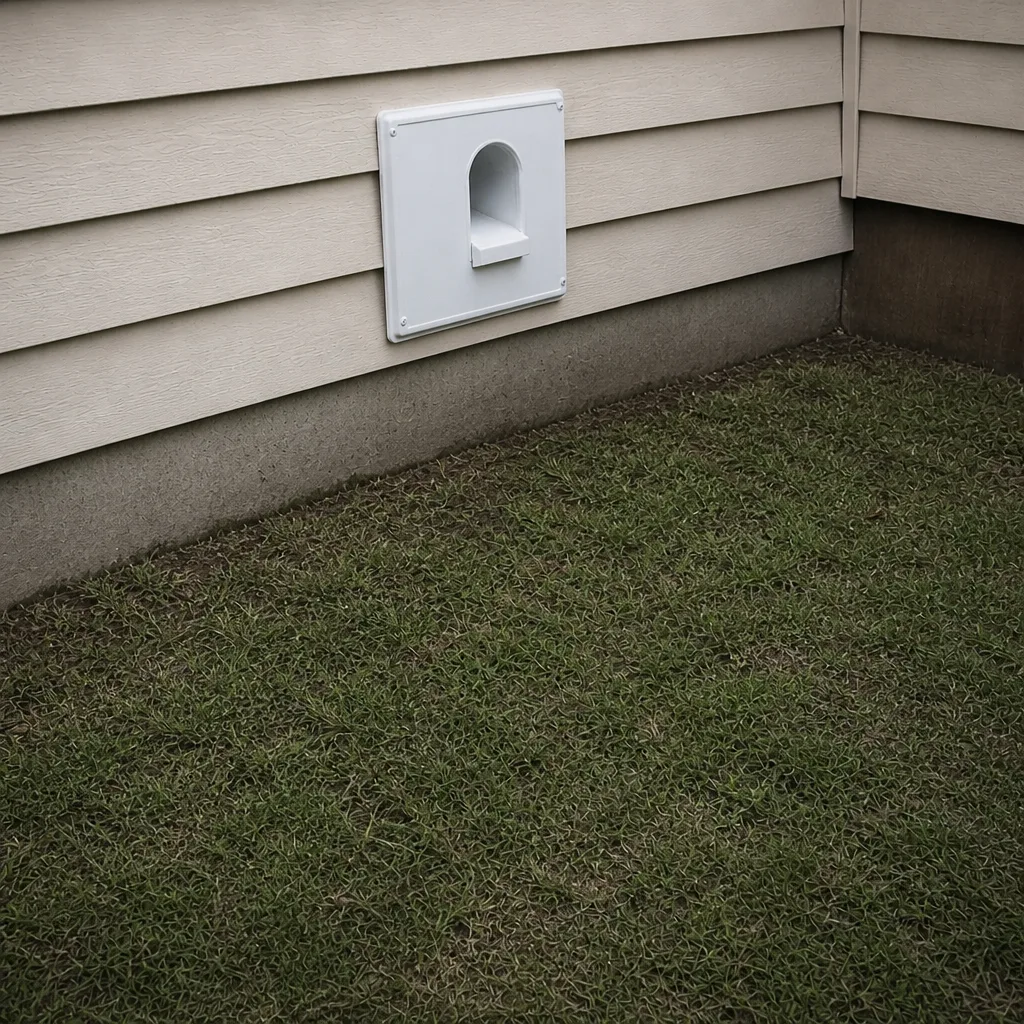
Whole-system duct and dryer vent check with before-and-after photos - you see exactly what came out of your vents
That "$99 whole-house special" is a bait ad - the real number appears once they are in your hallway, or the "clean" is a shop-vac at the register. We photograph the inside of your ducts before and after instead.
Air Duct Cleaning Troubleshooting in Nashville: Common Problems and How to Fix Them
If a room still smells musty two weeks after a duct cleaning, the cleaning probably worked fine. The problem is likely a breach in your duct lining, a disconnected run, or a sagging flex section that no vacuum can fix. That’s the uncomfortable truth about most “bad duct cleaning” complaints we hear in Nashville: the service was never the issue. The ducts themselves are damaged or poorly designed, and cleaning them just made the airflow problem more obvious. This guide walks you through the actual evidence to check before you call anyone back out, from register airflow tests to reading the signs of duct integrity failure. You’ll learn how to tell a cleaning-quality problem from a structural one, what persistent odors really indicate, and why re-cleaning is rarely the right second step.
Quick Answer
Most air duct cleaning problems in Nashville that show up a few weeks after service are symptoms of duct damage, not cleaning failure. A rushed or surface-level job leaves dust in the system, but persistent odors, uneven airflow, and returning dust almost always trace back to disconnected returns, torn flex duct, sagging runs, or mold on the liner. Before you complain or re-book, run a register airflow check and a visual inspection of accessible ducts. If you find a breach, repair is the fix, not another cleaning.
Styles & brands we work with
- Whole-home duct cleaning
- Dryer vent cleaning
- Camera inspection
- Sanitizing & deodorizing
Table of Contents
- How to tell a cleaning failure from a duct integrity failure
- What persistent odor after cleaning actually means
- How Nashville humidity creates secondary contamination
- Register and static pressure tests you can do yourself
- Why re-cleaning is rarely the right second step
- Duct repair vs. replacement: which one you actually need
- When to call a professional
- Frequently asked questions
How Do You Tell a Cleaning Failure From a Duct Integrity Failure?
A cleaning failure and a duct integrity failure look similar from the living room, but they produce different evidence once you start checking. Cleaning quality is about what was removed. Duct integrity is about whether the system is still sealed and delivering air where it should.
Here’s the split that matters. A cleaning-quality problem means dust, debris, or construction residue was left behind because the equipment wasn’t strong enough or the technician moved too fast. You’ll see it as dust blowing out of registers right after service, visible debris when you shine a light into a supply boot, or a return grille that still looks dirty. A duct integrity problem means the system itself has failed somewhere: a disconnected run in the attic or crawlspace, torn flex duct, a crushed section behind drywall, or a failed seal at a joint. You’ll see it as uneven airflow, rooms that never heat or cool properly, musty odors that return, or dust settling faster than it should.
In our experience, Nashville homes built or renovated in the last twenty years lean heavily on flex duct, and flex is where most integrity failures start. It tears at the collar, sags between hangers, and collapses where a contractor cut a corner. A thorough cleaning with professional-grade equipment like a Rotobrush contact-cleaning system handles the dust problem completely. It cannot reattach a disconnected run or seal a torn liner. That’s why we offer air duct cleaning and duct repair as separate but connected services: the inspection that comes with cleaning is how we find the structural problems.
One practical rule: if a problem existed before the cleaning and wasn’t made worse by it, it isn’t a cleaning failure. If it appeared right after, examine the evidence before drawing conclusions.
What Does Persistent Odor After Cleaning Actually Indicate?
Persistent odor after a duct cleaning almost always points to a moisture or airflow problem the cleaning couldn’t reach. Odor is the most common complaint we hear, and it’s also the most misread. A musty smell that returns within weeks isn’t a sign the technician skipped a step. It’s a sign something in the system is still wet, still disconnected, or still sitting in dead air.
Here’s what the evidence usually shows:
- Mold on the duct liner: Fiberglass-lined duct board and internally lined sheet metal trap moisture. If the liner stays damp, mold regrows no matter how clean the surface was. Odor returns as the growth comes back.
- Disconnected return duct: A return that’s pulled apart in the attic draws air from unconditioned space, including humid outdoor air and attic dust. The system stays dirty and the smell never resolves because the source is still connected.
- Dead-air zones: Oversized duct or long, uncapped branches create pockets where air sits and stagnates. Odor concentrates there and drifts into rooms as airflow shifts.
- Wet insulation or a leak nearby: Water intrusion from a roof leak, condensate line, or plumbing can soak insulation touching the duct. The duct gets blamed, but the moisture source is elsewhere.
If you smell something sharp and chemical rather than musty, that’s a different troubleshoot: check for nearby stored products, a refrigerant leak, or off-gassing from new materials. Those aren’t duct cleaning problems at all.
The key point: if odor returns and the ducts looked clean when the technician finished, the next step is a moisture and connection inspection, not another cleaning.
How Does Nashville Humidity Create Secondary Contamination in Ducts?
Nashville’s humidity is a real factor in how duct problems develop. Summers here are long, muggy, and hard on any part of the building envelope that isn’t perfectly sealed. When flex duct sags, sags create low spots where condensation collects. When flex duct is punctured, humid attic air gets pulled in. Either way, the duct becomes a place where moisture and dust meet, and that’s where mold and odor start.
What makes this worse in Nashville specifically: the swing between a humid summer and a cold, damp winter keeps condensation cycling through the same duct sections. A pinhole in flex duct in June lets in humid air. By fall, the insulation around it is damp. By the next summer, the liner is showing growth. Cleaning in between those seasons can wipe the surface clean and still leave the underlying problem intact.
Homes in older Nashville neighborhoods with original ductwork, or homes that have had additions and renovations tied into the original system, tend to show this pattern most clearly. Renovation dust gets pulled into the return, settles in a sagging run, and holds moisture. The air quality issue isn’t the dust on its own; it’s the dust plus humidity plus a compromised duct section.
This is where professional-grade filtration equipment matters. Our toolkit includes Abatement Technologies air filtration equipment, the same category used in professional mold and construction remediation. After cleaning, that equipment helps capture what’s airborne. It doesn’t seal a breached duct, though. For homes with mold concerns or occupants with respiratory sensitivities, the sequence that works is: find the breach, repair it, clean thoroughly, then filter. Cleaning first without repairing just repeats the cycle.
Practical steps to reduce secondary contamination between services:
- Check accessible flex duct in the attic or crawlspace for sagging, tears, or disconnected sections. Shine a flashlight along each run.
- Keep indoor humidity in check; a damp house accelerates growth in every duct system.
- Replace filters on schedule and use the right MERV rating for your equipment.
- Fix roof and plumbing leaks before they reach insulation touching ductwork.
- Have dryer venting checked separately, since lint buildup is its own fire risk and unrelated to the air ducts.
What Register and Static Pressure Tests Can You Do Before Complaining?
Before you call the company back or leave a review, do two simple checks. They take about fifteen minutes and give you the evidence to understand whether you have a cleaning problem or a duct problem. These are reading tests, not repair work. Don’t open sealed ductwork or climb into tight attic spaces yourself.
Register airflow test. Hold a piece of tissue or a light sheet of paper at each supply register while the system runs. Every register should pull it firmly toward the grille. If one or two registers barely hold the paper while others pull strongly, the weak registers are downstream of a restriction: a disconnected run, a crushed section, or a closed damper. If every register feels weak, the problem may be the blower, the filter, or a return-side block rather than the ducts. Do the same at return grilles: they should pull noticeably.
Static pressure test. A technician can measure static pressure with a manometer in minutes. It reads the resistance in the system: high static pressure means the blower is pushing against a restriction, and low airflow is the result. You don’t need to buy equipment to reason about it. If your registers feel weak and your filter is clean, the system likely has a restriction the airflow can’t overcome. That’s a duct issue more than a cleaning issue.
When the tests point to a structural problem, the answer is diagnosis and repair. Ask specifically for a duct inspection and, where accessible, a pressure reading. A professional cleaning company with repair capability will check connections, look inside accessible boots for debris that shouldn’t be there, and photograph what they find. That’s why photos matter: before-and-after images of your own ducts tell you whether the last cleaning removed what it should have. If the pictures show clean runs but the airflow tests still show weak registers, you’re chasing a duct integrity problem.
Two more things to note before calling: confirm which registers are actually supposed to be open, and confirm your filter isn’t the restriction. Those two checks rule out the cheapest explanations first.
Why Is Re-Cleaning Rarely the Right Second Step?
Re-cleaning is rarely the right second step because it treats a structural problem as a dirt problem. If the evidence points to a disconnected return, torn flex, sagging runs, or mold on the liner, a second cleaning removes surface debris again and leaves the cause in place. Three weeks later the symptoms return, and the homeowner is angrier than before.
Here’s when a second cleaning is fair to ask about. If the first job was demonstrably surface-level: no before-and-after photos, no contact-cleaning equipment, no inspection of accessible ducts, and visible dust blowing out of registers immediately after. That’s a legitimate quality complaint. A professional cleaning with a Rotobrush contact-cleaning system and Nikro HVAC tools should remove the debris and produce photographic evidence of what was removed.
But if the symptoms are odor that returns, airflow that drops in specific rooms, or dust settling at a rate that doesn’t match the cleaning, the second step is inspection and repair. The better question than “clean them again” is “what’s actually wrong with the system.” That question leads to duct repair and, when needed, replacement of sections that can’t be saved.
We built our service around that reality. We don’t just clean; we inspect and repair. Offering duct cleaning in Nashville alongside repair on staff means a homeowner who’s been told “just clean it again” has a real alternative: a technician who will get into the attic, find the breach, and fix it rather than vacuum around it.
The practical shortcut: if the second-cleaning diagnosis doesn’t come with an inspection of accessible ductwork and a pressure reading, you’re buying the same outcome twice.
Duct Repair vs. Replacement: Which One Do You Actually Need?
Duct repair is usually the right fix for localized failures: a disconnected run, a torn flex section, a failed joint seal, or a crushed section in a spot you can reach. Duct replacement makes more sense when the failure is systemic, like a whole system of undersized, sagging flex duct with liner damage throughout, or duct board that’s soaked through in multiple places. Most homes need a repair, not a full rebuild.
Here’s how we think through the decision:
- Isolate the problem. Airflow tests and visual inspection identify which runs are compromised. A single weak register points to a local repair.
- Check the extent of the damage. One torn section is a repair. A run with liner damage and moisture through multiple sections is a replacement of that run.
- Check access. Failures in an open attic are straightforward to reach. Failures buried behind drywall may make replacement of that section easier than repair.
- Check the rest of the system. If other runs are fine, repair the failing one and leave the rest alone. If the whole system is failing, price a replacement honestly.
- Verify afterward. Re-run the register airflow test after the work. Registers that were weak should pull the tissue firmly once the breach is sealed.
A duct repair specialist can also look at the air quality side. Reconnecting a return and sealing a joint reduces the humid air and dust getting into the system. Once the ducts are sealed and clean, we can recommend indoor air quality upgrades from familiar brands like Honeywell and Aprilaire. Those upgrades make more sense on a repaired, verified system than on one that’s still leaking.
Replacement is not the default answer, and any company that jumps there without a register-by-register inspection is guessing. Ask for the evidence.
See the difference
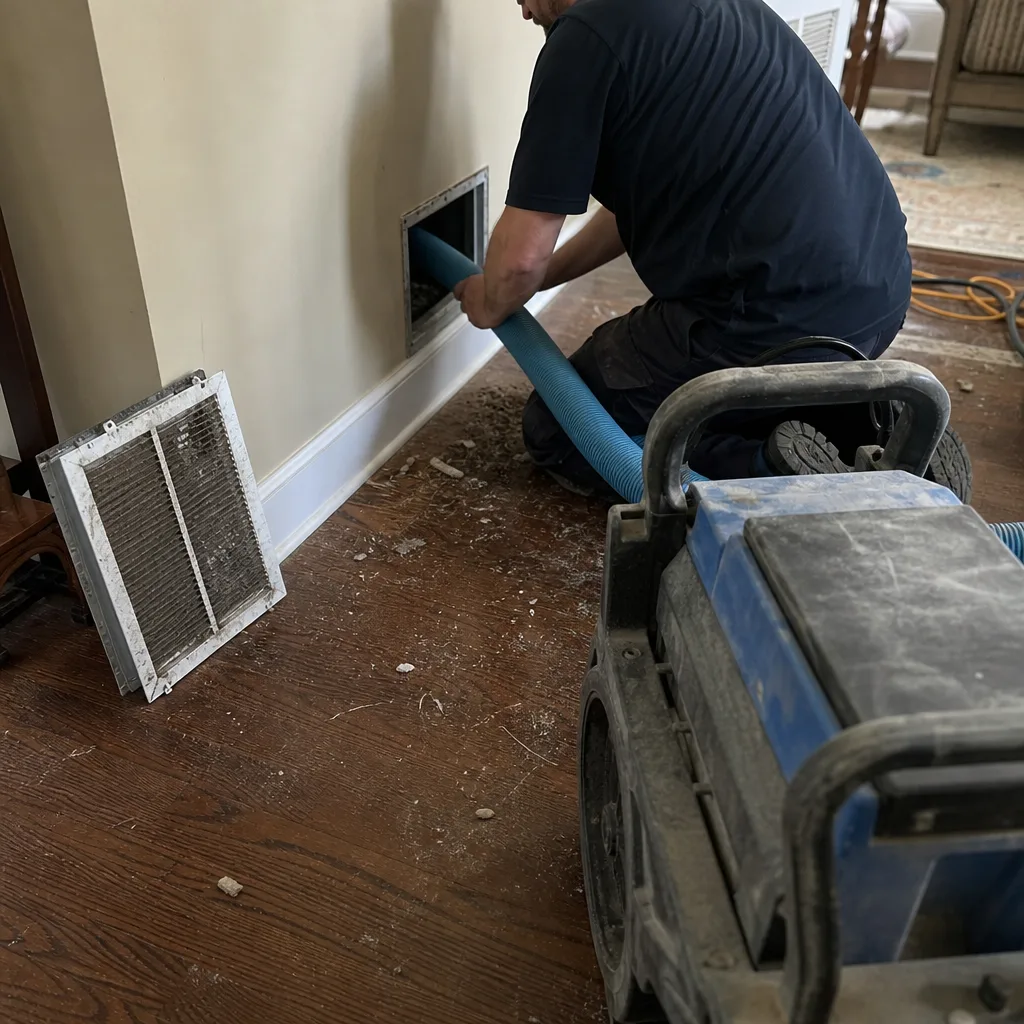 Before
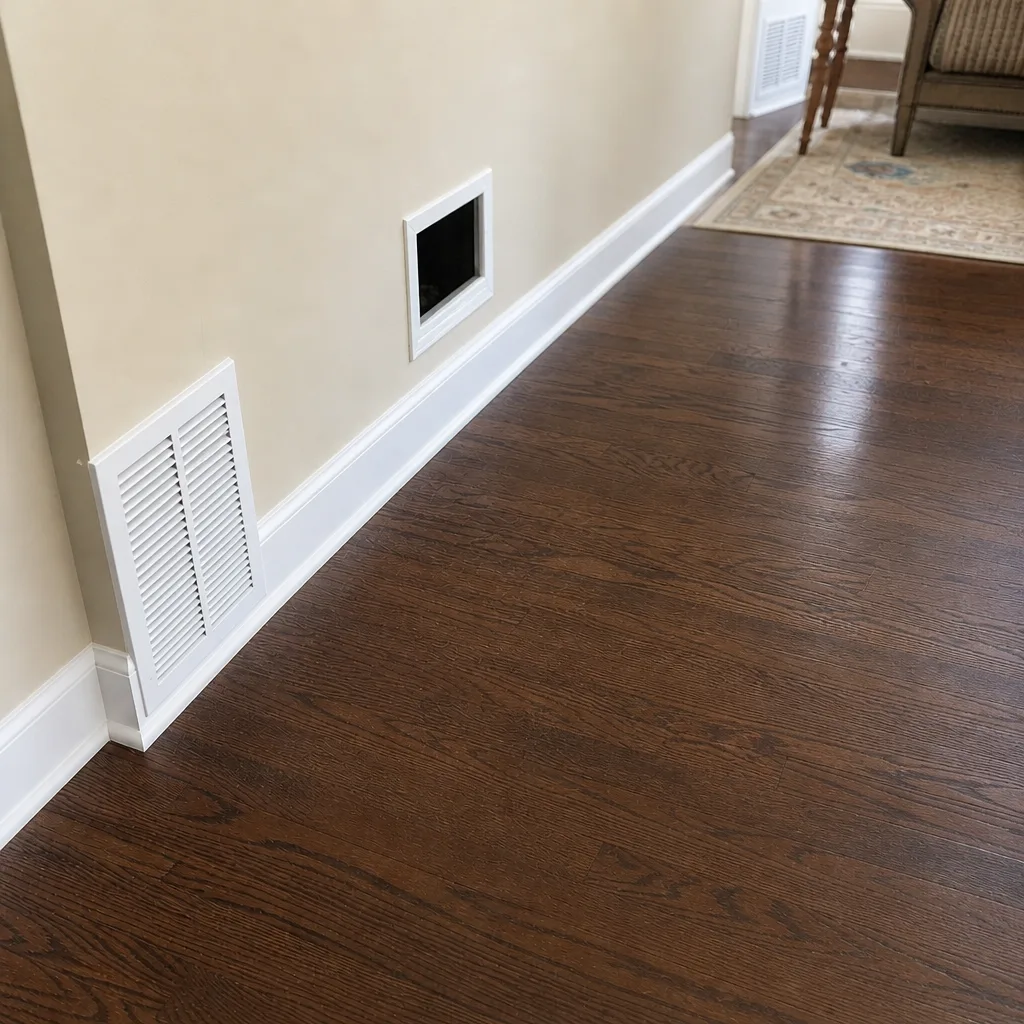 After
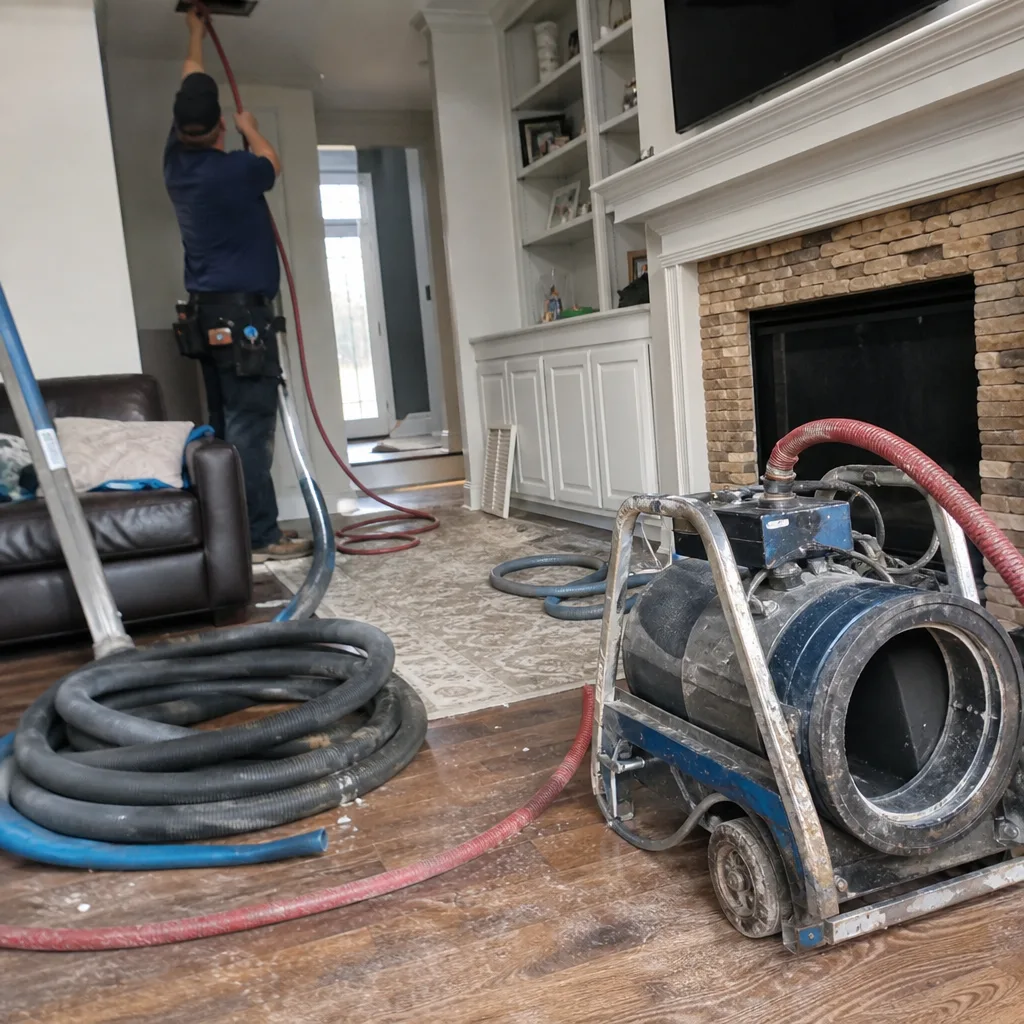 Before
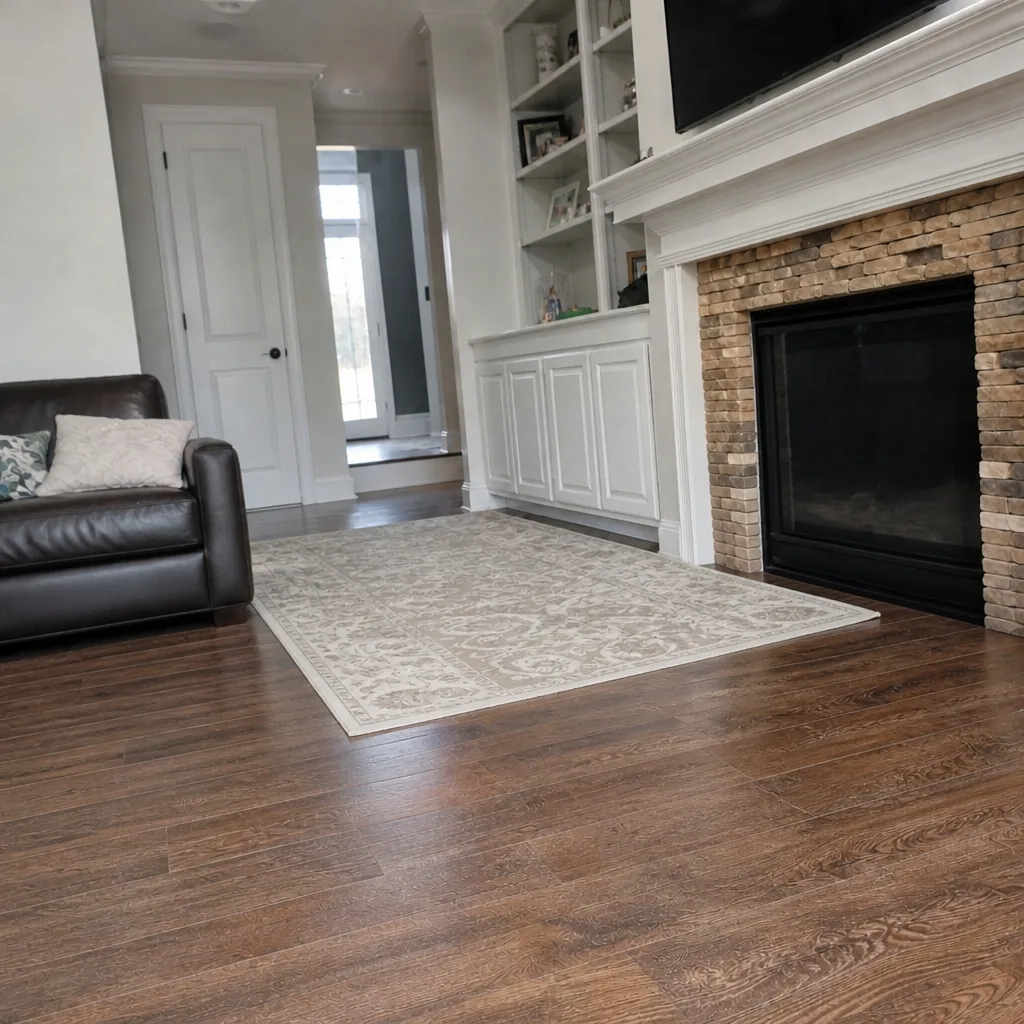 After
 Before
 After
Common Mistakes to Avoid
- Re-booking the cleaning before you diagnose. A second visit before identifying the cause repeats the first job’s outcome. Run the register airflow test first and find out what you’re actually chasing.
- Blaming the first company for a duct that was damaged all along. A musty smell that was there before the cleaning isn’t proof the cleaning failed. Dust and duct damage are separate problems with separate fixes.
- Assuming cheaper means bad and higher means good. The evidence is the equipment used, the inspection performed, and the photos taken, not the price alone. Ask what’s on the truck.
- Ignoring the attic and crawlspace. In a humid Nashville summer, an unsealed attic is where the real problem usually lives: disconnected runs and torn flex. Nobody sees them from inside the house.
- Treating moldy liner as a dust problem. Cleaning a damp, moldy liner without fixing the moisture source guarantees the mold comes back. Repair or replace the affected run, then clean.
- Skipping the dryer vent as if it’s unrelated. Lint buildup in a dryer vent is a fire risk, and loose vent connections also send lint into the surrounding space. Have it checked alongside the duct work.
- Choosing a company that cleans but doesn’t repair. A cleaning-only provider finds the breach and hands off the problem. A repair-capable company fixes it. One call covers your ducts, your dryer vent, and any repairs found along the way.
When Should You Call a Professional?
Call a professional when the evidence points to a structural cause or when the problem is beyond what you can safely check. That means: persistent musty odor that returns after a cleaning, weak or uneven airflow at specific registers, visible or suspected mold growth inside the system, a known roof or plumbing leak near ductwork, or any ductwork you can see but shouldn’t open yourself. If you’re in a home with occupants who have asthma or allergies, or you’re dealing with post-construction dust, call sooner. Also call if the first cleaning came with no inspection, no photos, and no pressure reading; that visit is worth a second opinion grounded in evidence. Duct Cleaning Nashville offers free estimates in Nashville, and you can call (855) 473-8488. We answer 24/7. Fast dispatch from 7am to 7pm, Sunday through Friday.
If the airflow tests look normal and the only complaint is that the ducts haven’t been serviced, that’s a scheduling call, not an emergency. Professional-grade equipment, not big-box vacuums, is what to look for in whichever company you choose.
Frequently Asked Questions
You know it worked if the air coming out of the registers is cleaner, the before-and-after photos show what was removed, and any pre-existing airflow issues were identified with an inspection. Ask for photos of your own ducts and a register airflow check. If the system still has weak registers and the ducts were cleaned, the remaining problem is duct integrity, not cleaning quality.
Musty odor weeks after cleaning usually means moisture is still entering the system somewhere. Nashville’s humid summers feed mold regrowth on duct liner, and a disconnected return or torn flex duct keeps bringing humid air back in. The cleaning can be complete and correct while the underlying moisture and connection problem remains. Call (855) 473-8488 for an inspection of the accessible ductwork.
Usually, no. If airflow is uneven or odor returns, the evidence points to a duct repair or replacement issue, not a cleaning issue. Re-cleaning a system that still leaks or sags just repeats the first job. Get a second opinion that includes a duct inspection and pressure reading before booking another cleaning.
Duct repair is priced per job, and the written estimate sets the final price, so it depends on what’s found and how accessible the affected runs are. Cleaning and repair are separate scopes with separate estimates, and you’ll see the breakdown before any work starts. Call (855) 473-8488 for a free estimate and a clear scope.
Yes, in part. The tissue test at each register is the first check: weak registers while others pull strongly suggest a disconnected or crushed run downstream. You can also look for dust settling faster than normal, musty odor, or temperature differences between rooms. Confirming the cause needs a visual inspection of accessible ductwork, which a technician can do safely.
Yes. Long humid summers keep condensation cycling on sagging flex duct and any insulation touching it, and those wet spots are where contamination develops. Homes with original or renovated ductwork tied into an older system are especially prone to this pattern. Sealing and repairing the compromised runs, then cleaning and filtering, is the sequence that actually resolves it.
The Bottom Line
Most air duct cleaning problems in Nashville come down to one question: was the problem dirt or damage? A thorough cleaning with professional-grade equipment like Rotobrush and Nikro handles dirt. It cannot fix a disconnected return, a torn flex run, or mold fed by Nashville’s humidity. So read the evidence first: run the register airflow check, ask for before-and-after photos, and get a pressure reading before you book anything. If the system is leaking or sagging, repair is the second step, not another vacuum pass. One call can cover dryer vent cleaning, duct cleaning, and any repair found along the way. Our technicians have up to 9 years of experience, and we work in Nashville with free estimates.
Call (855) 473-8488 for a free estimate. We answer 24/7. Fast dispatch from 7am to 7pm, Sunday through Friday.
Written by the team at Duct Cleaning Nashville.