
Last updated November 15, 2026
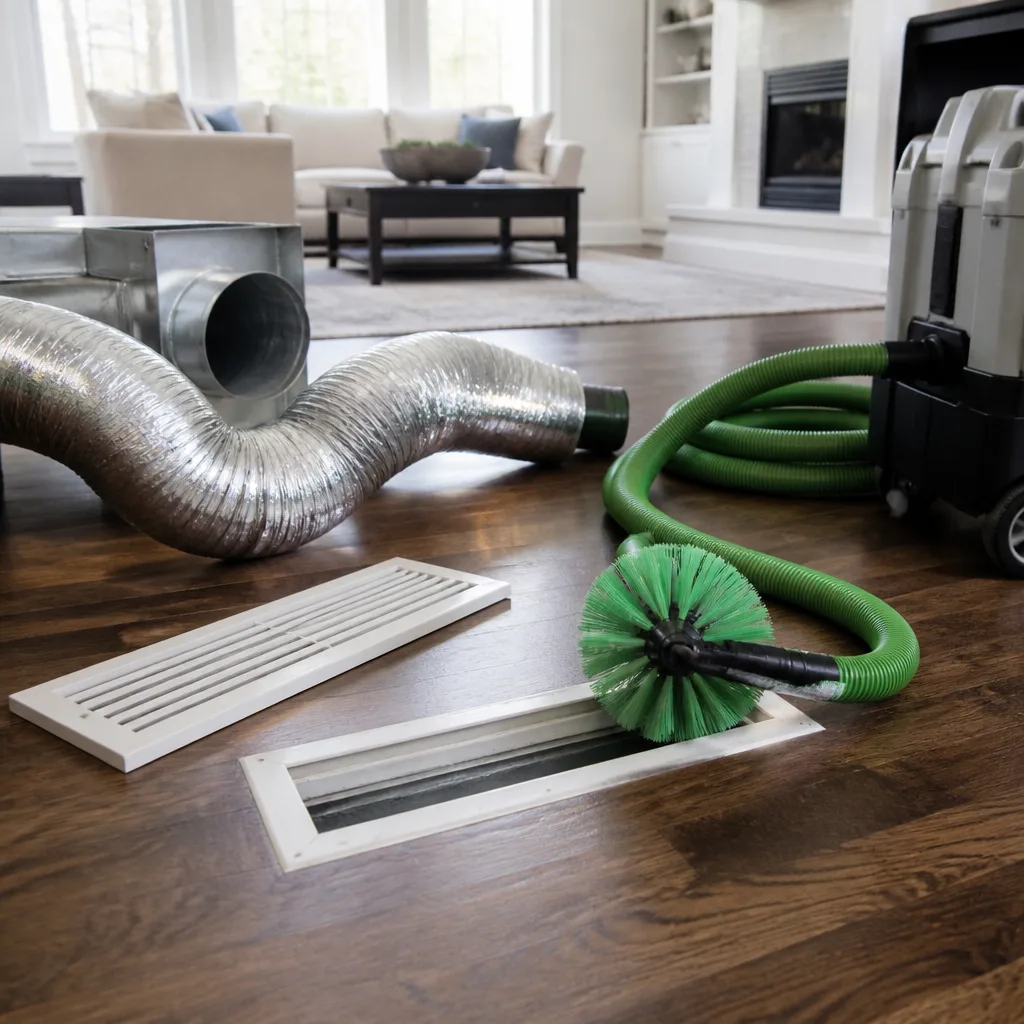 Whole-home duct cleaning
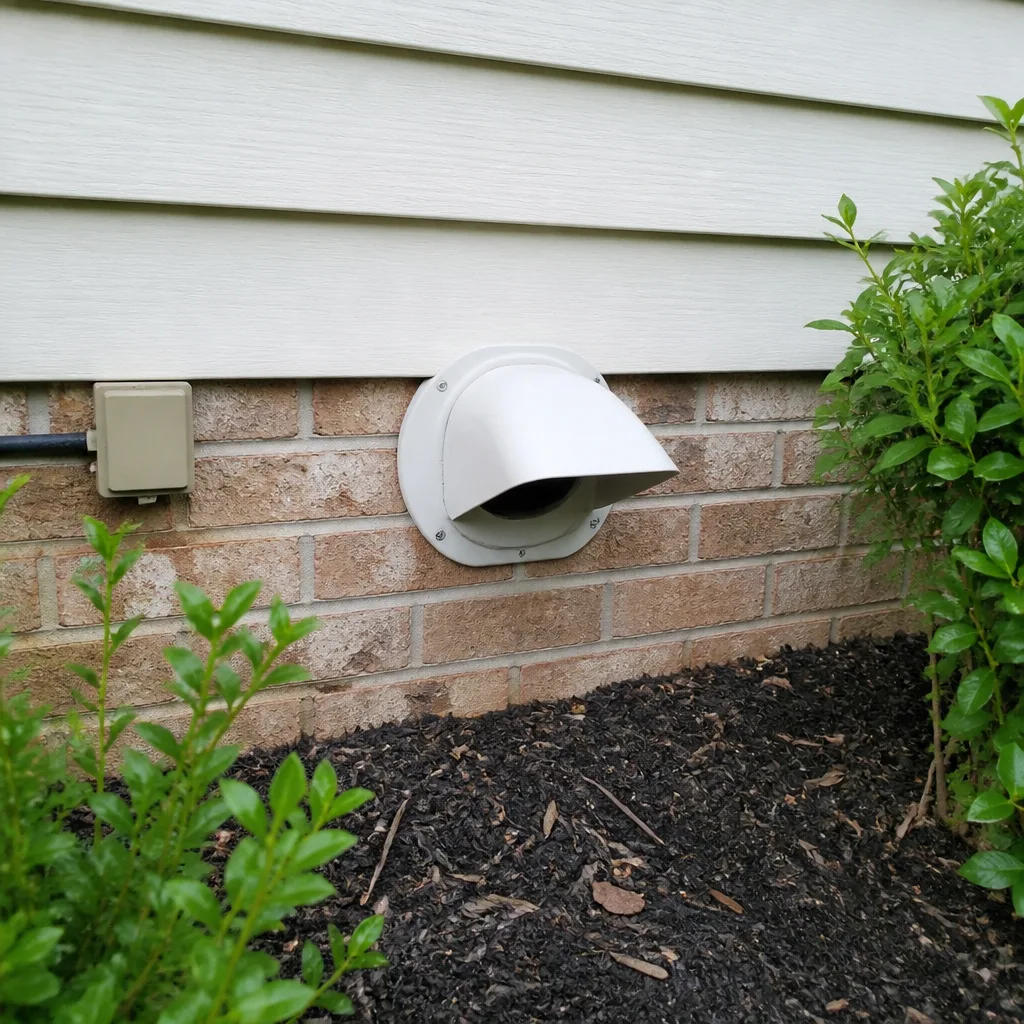 Dryer vent cleaning
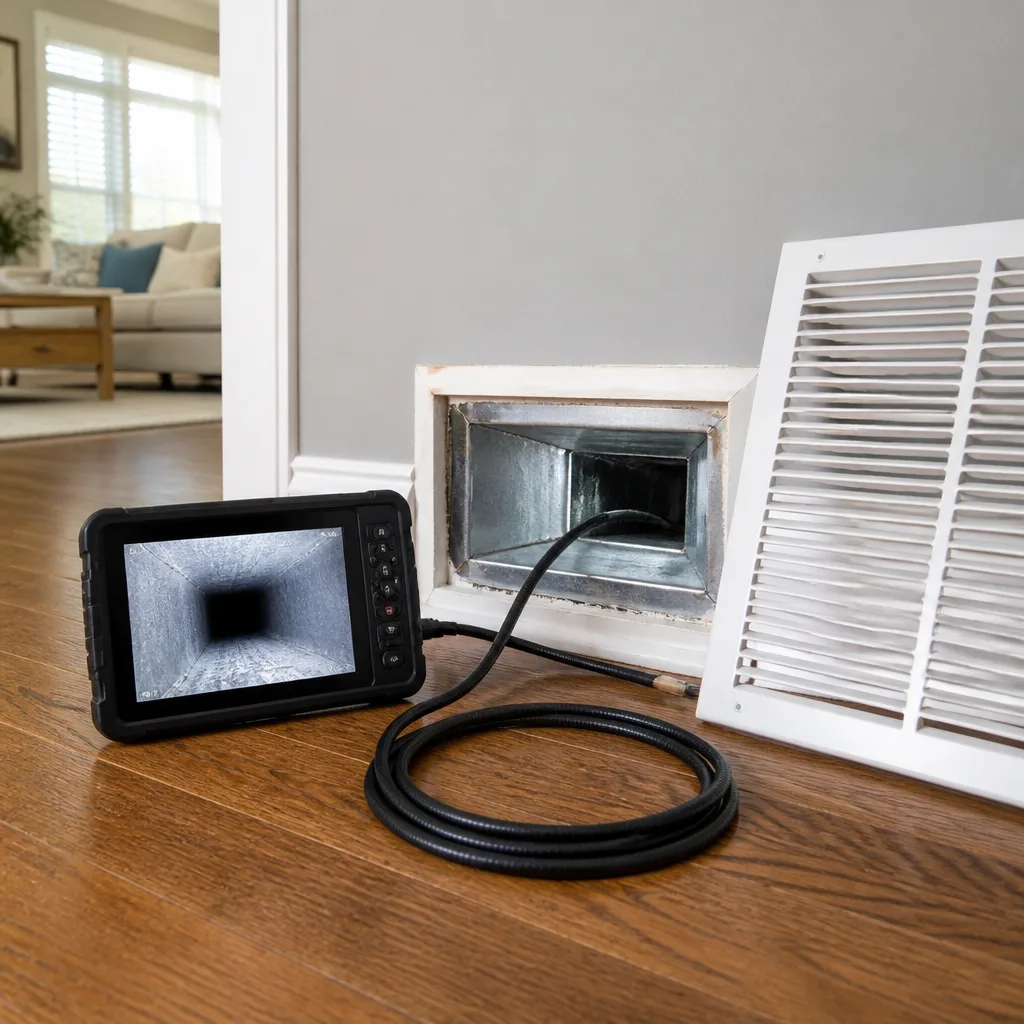 Camera inspection
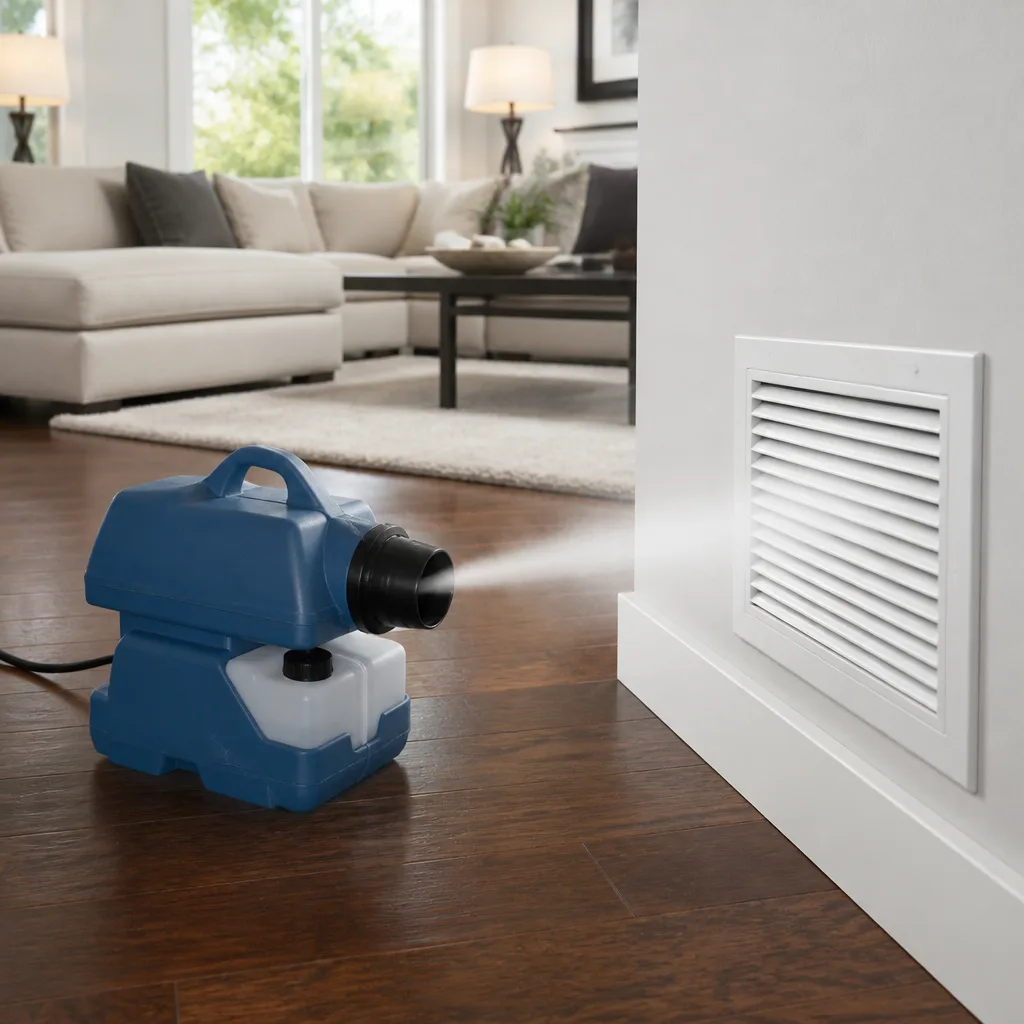 Sanitizing & deodorizing
Whole-system duct and dryer vent check with before-and-after photos - you see exactly what came out of your vents
That "$99 whole-house special" is a bait ad - the real number appears once they are in your hallway, or the "clean" is a shop-vac at the register. We photograph the inside of your ducts before and after instead.
Air Duct Cleaning Warning Signs: A Nashville Homeowner’s Reference Guide
Most warning sign lists point you to the obvious: dust puffing out of a register, a visible streak of grime on the ceiling, a filter that looks like a dryer lint screen. Those are real, but they show up late. The subtler signals are the ones Nashville homeowners miss, the ones that surface months before anything looks dirty. A musty odor that only appears when the HVAC first kicks on isn’t a minor annoyance you learn to live with. It’s often biological growth on the evaporator coil or the duct liner, which means active contamination rather than surface dust. This guide covers the earlier indicators, so you can tell the difference between a system that needs a cleaning and one that needs a closer look.
Quick Answer
The most reliable early air duct cleaning warning signs are a musty odor that appears only when the system starts, room-to-room temperature swings that don’t match the thermostat, filters that clog faster than they used to, visible dust trails around return grilles, and allergy symptoms that follow HVAC runtime. In Nashville, homes that have been renovated are also at higher risk because drywall dust and adhesive fumes settle deep in ductwork and never reach the filter.
Styles & brands we work with
- Whole-home duct cleaning
- Dryer vent cleaning
- Camera inspection
- Sanitizing & deodorizing
Table of Contents
- The Musty Odor That Only Appears at Startup
- Normal Dust vs. Biological Contamination
- Inconsistent Room Temperatures and Duct Breach
- Post-Renovation Warning Signs in Nashville Homes
- What Faster Filter Loading Tells You
- Allergy and Respiratory Symptoms as a Household Signal
- What a Proper Inspection Actually Looks Like
- When Cleaning Isn’t Enough and Repair Is the Answer
The Musty Odor That Only Appears at Startup
A smell that appears the moment the HVAC starts and fades within a few minutes is a specific diagnostic signal. It usually points to organic buildup on the evaporator coil, a damp section of duct liner, or biological growth in the plenum. In Nashville, where summer humidity routinely sits in the upper range and the cooling season stretches from April into October, condensate stays in the air handler and the cool side of the system longer than in drier climates. That extended wet period gives mold and bacteria a window they don’t get in Phoenix or Denver.
Here’s why the timing matters. A musty smell that lingers all day points to standing moisture somewhere in the building envelope. A smell that comes and goes with HVAC startup points to the air handler itself and the ductwork directly downstream of it. The distinction tells you where to look, and it changes the scope of the job.
Watch for these specifics:
- Odor only on startup: likely coil, plenum, or the first few feet of supply duct.
- Odor in one room only: often a duct run that’s taken on moisture through a boot or joint.
- Odor that smells like dirty socks or gym bag: the classic indicator of bacterial or mold growth rather than dust.
- Odor that smells chemically sweet: could be degraded duct liner adhesive or off-gassing from materials.
- Odor stronger in humid weather: points to temperature and moisture interaction in the duct system, not the filter.
If the smell is biological, cleaning alone won’t fully resolve it. The source has to be found – usually a coil, pan, or liner section – and addressed. That’s why we treat Abatement Technologies filtration equipment as part of the toolkit on jobs where contamination is suspected; it’s the same category of equipment used in remediation work, not standard cleaning vacuums. If you want the broader picture of what a scheduled air duct cleaning visit involves, it starts with that inspection step.
Normal Dust vs. Biological Contamination
Dust in ducts is normal. A house in Nashville generates it constantly – road dust from neighborhood traffic, pollen from March through May, breakdown of carpet fibers, and the particulates that come off cooking. The filter catches most of it, and some of it settles in the return side. That’s expected buildup, and it doesn’t smell and doesn’t cause symptoms.
Biological contamination is different. Mold, mildew, and bacteria need moisture to establish in a duct system, and they produce several signals you can look for:
- Color: normal dust is grey to black. Biological growth tends to look white, greenish, brownish, or speckled, and often forms in patches rather than an even film.
- Texture: dust wipes off clean. Biological growth clings and sometimes looks fuzzy or powdery in a way that doesn’t match the surrounding area.
- Location: normal dust collects on return ducts and low points. Biological growth tends to appear near the coil, in the plenum, at flex-duct connections, and in any section that runs through unconditioned space like an attic.
- Smell: normal dust has no smell. Biological growth does, and it’s the tell that shows up before anything is visible.
- Recurrence: if you clean a register grille and the same buildup returns within weeks, the source is upstream and active.
One more distinction that matters in our climate: condensation. Attics in Nashville see wide temperature swings between a hot afternoon and a cool night, and flex duct in an attic can accumulate condensate on the outside of the jacket. That moisture finds its way inside over time through joints and connections. When we inspect a duct system with a suspected biological issue, we look at insulation integrity and joint sealing alongside the duct interior, because if we clean and don’t fix the moisture path, the problem comes back. That’s part of why we offer duct cleaning in Nashville as an inspection-first service.
Inconsistent Room Temperatures and Duct Breach
Homeowners usually blame the thermostat when a room runs hot or cold. Sometimes it is the thermostat. More often than not, in our experience, a room that’s consistently warmer in summer and cooler in winter is telling you about a duct problem. A disconnected duct in the attic or crawlspace leaks air into unconditioned space, and the room it was supposed to serve gets less conditioned air than it needs.
The pattern matters. Keep a simple log for a week:
- Note the actual temperature in each room at the same time each day, before and after HVAC runtime.
- Compare to the setpoint on the thermostat and to the room nearest the air handler.
- A room that’s off by a degree or two might just be sun exposure or window quality.
- A room that’s off by five or more degrees, consistently, points to an air delivery problem, not a thermostat problem.
- A room that was fine last summer and isn’t now is the more telling pattern – ductwork doesn’t drift, but it does detach, collapse, or get stepped on in the attic.
Duct collapses are more common than homeowners expect. Flex duct runs in Nashville attics can sag under their own weight when poorly supported, crimping the interior and reducing flow to that zone. Rigid duct can be crushed by stored boxes or pinched by a joist that shifted. A technician with a camera can usually find the issue in a single visit. Cleaning without diagnosing is like vacuuming a room before you’ve fixed the hole in the wall.
Post-Renovation Warning Signs in Nashville Homes
Renovation dust is a different beast from normal household dust. Drywall particulate is fine and mildly alkaline, and in quantity it can coat surfaces in ways ordinary cleaning doesn’t touch. In a Nashville renovation – and there are plenty of them in older neighborhoods where homes are being updated instead of replaced – three issues come up again and again:
- Drywall particulate in ducts: during sanding and finishing, fine gypsum dust settles into open ductwork and into return grilles. Filters catch some of it; the rest settles into the return plenum and the first runs.
- Adhesive fume residue on duct liner: construction adhesive, caulk, and finish products out-gas for weeks after a job concludes, and the residue can settle on duct liner and inside the air handler cabinet.
- Debris from unsealed registers: during framing, drywall, and paint, registers are often left open. Construction debris, sawdust, and small fasteners end up inside the ducts. Sometimes gloves, food wrappers, and empty caulk tubes.
The warning signs to watch for after a renovation are specific:
- A new musty or chemical smell that wasn’t there before the work started.
- A sudden jump in filter loading (see below).
- Visible dust streaks at the supply registers in the renovated rooms.
- A family member who starts reacting to the air in one room but not others.
- Condensation streaks or water marks in the attic where ducts run near new insulation or sealing.
Post-renovation is one of the cases where remediation-grade equipment matters. Standard cleaning vacuums struggle with fine gypsum dust that’s worked into the duct wall; contact-cleaning with equipment like the Rotobrush system, combined with HEPA filtration at the exhaust, is the safer approach. If you’ve just finished a renovation and are noticing any of the signs above, that’s a job to schedule sooner rather than later.
What Faster Filter Loading Tells You
Filters work on a predictable schedule in a healthy system. If your filter used to last three months and now needs replacing at four weeks, something changed upstream. A sudden increase in filter loading rate is a signal that more particulate is reaching the return, which usually points to one of five problems.
- Duct breach upstream of the return: a disconnect in the attic or a torn flex jacket pulling attic air into the return stream.
- Failed seal at the air handler: a cabinet gasket or return plenum seal that’s given way, letting unconditioned air bypass the filter.
- Construction or renovation dust: covered above, and usually resolves after a cleaning.
- Failing duct liner: degraded liner inside the duct can shed fibers into the airstream, which load the filter faster than usual.
- Return duct sizing or routing issue: an undersized or rerouted return pulls harder than it should, drawing more particulate in per cycle.
The pattern matters here too. A filter that loads faster across the whole house suggests a system-wide issue. A filter that loads faster only in cooling season points to condensation and moisture in the return, which is a different repair. If you’re changing filters more often than you used to and can’t explain it, that’s a call worth making.
Allergy and Respiratory Symptoms as a Household Signal
Seasonal allergies in Nashville follow a predictable calendar – tree pollen in spring, grass in late spring, ragweed in later summer, and mold spores after rain events. Outdoor allergens are the usual suspects, but not the only ones. When symptoms don’t match the outdoor calendar, the duct system is worth looking at.
Here’s the pattern to watch:
- Do symptoms worsen when the HVAC has been running for an hour or more?
- Do they improve when the system is off for the day, or when the family is out of the house?
- Does the affected person react in one or two rooms but not others?
- Do symptoms persist after outdoor pollen counts fall?
- Do they subside when the family visits a different home or hotel?
If the answers point toward the house rather than the calendar, the issue isn’t the pollen count. It’s the air inside. We treat this as a diagnostic question, not a sales pitch. Some homes need a cleaning. Some need a repair. Some need a filtration upgrade, and that’s where familiarity with Honeywell and Aprilaire systems comes in – those are the platforms we’re used to working with when a homeowner wants to raise filtration after cleaning rather than just restart the same cycle. A cleaning without addressing filtration and duct integrity when there’s a known sensitivity concern is often a partial fix.
What a Proper Inspection Actually Looks Like
An inspection is not a walk-through with a clipboard. If a technician quotes you a price without opening a register, pulling a filter, or looking inside the air handler, the quote is a guess. A real inspection covers the following:
- Visual inspection of registers and grilles: supply and return, in each conditioned room.
- Air handler and plenum inspection: coil condition, condensate pan, plenum interior, blower.
- Camera inspection of the duct interior: at minimum the return trunk and the first several feet of supply runs.
- Joint and connection inspection: flex duct connections, boots, and any ductwork in attic or crawlspace.
- Filter and filtration review: filter type, MERV rating relative to the equipment, and loading rate.
- Photographic documentation: before-and-after images of the same duct sections, so you can confirm what was found and what was cleaned.
If any of those steps get skipped, ask why. On jobs we handle, Abatement Technologies filtration equipment and Nikro HVAC cleaning tools are on-site as standard, and photos are part of the record. Verification is part of the process, not a bonus.
When Cleaning Isn’t Enough and Repair Is the Answer
Some problems are cleaning problems. Some are repair problems. Knowing which one you’re facing saves time and money. Cleaning is the right answer when the duct interior is contaminated but structurally intact. Repair is the right answer when the ductwork itself has failed.
The issues that require repair rather than another cleaning pass:
- Disconnected flex duct: common in attics, and the cause of a room that’s running hot in summer.
- Collapsed or kinked runs: flex duct sagging between supports, cutting off airflow to a portion of the house.
- Torn or degraded duct liner: an interior surface that’s shedding, sometimes into the airstream.
- Failed sealed connections: boots and trunk joints that have given way and are leaking air into unused space.
- Water damage in the duct system: soaked insulation or insulation with a failed vapor barrier, which is a moisture source rather than an airflow issue.
Most duct cleaners hand these problems off to a separate HVAC contractor. We’d rather close the loop: the same call that inspects the ducts also does the repair, including dryer vent cleaning if it’s due, and any duct integrity work that’s come up. That’s how we ran the Nashville Nashville jobs where a homeowner thought they had a thermostat issue and it turned out to be a detached run in the attic.
Common Mistakes to Avoid
- Treating a musty smell as a filter problem. Filters clean particulate, not odor. If the smell is biological, it’s upstream of the filter, and a new filter won’t fix it.
- Assuming the thermostat is responsible for a hot room. A thermostat sets the target; it doesn’t move air. A room that’s five degrees off is an air delivery issue until proven otherwise.
- Cleaning after a renovation without addressing construction debris. Drywall dust and adhesive residue don’t respond to a standard vacuum pass, and running the system during renovation without covering registers spreads the problem further.
- Choosing a quote without asking about equipment or process. A low bid usually reflects a truck-mounted shop vacuum and a thirty-minute walk-through. Ask which equipment gets used and whether photos are provided.
- Not changing the filter after a cleaning. A cleaning stirs up dust, and the filter is where that dust ends up. Change it once the crew leaves.
- Ignoring one-room symptoms because the rest of the house is fine. A single problematic room usually points to a duct run specific to that room, and it’s the cheapest duct problem to fix early.
- Skipping dryer vent cleaning entirely. It’s the single highest-consequence ventilation issue in a home, and it’s separate from the duct system. Most homes in Nashville should have it done periodically, especially with a long dryer run or a second-floor laundry.
See the difference
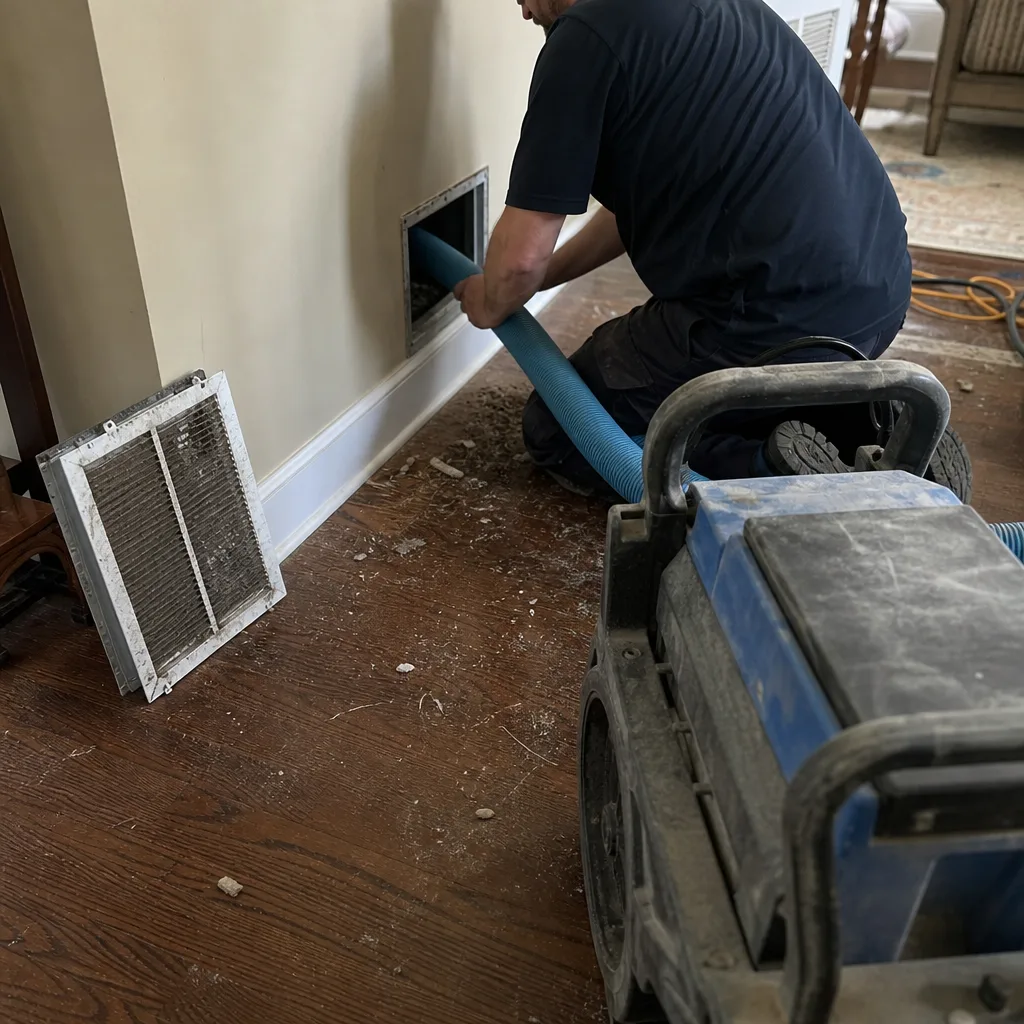 Before
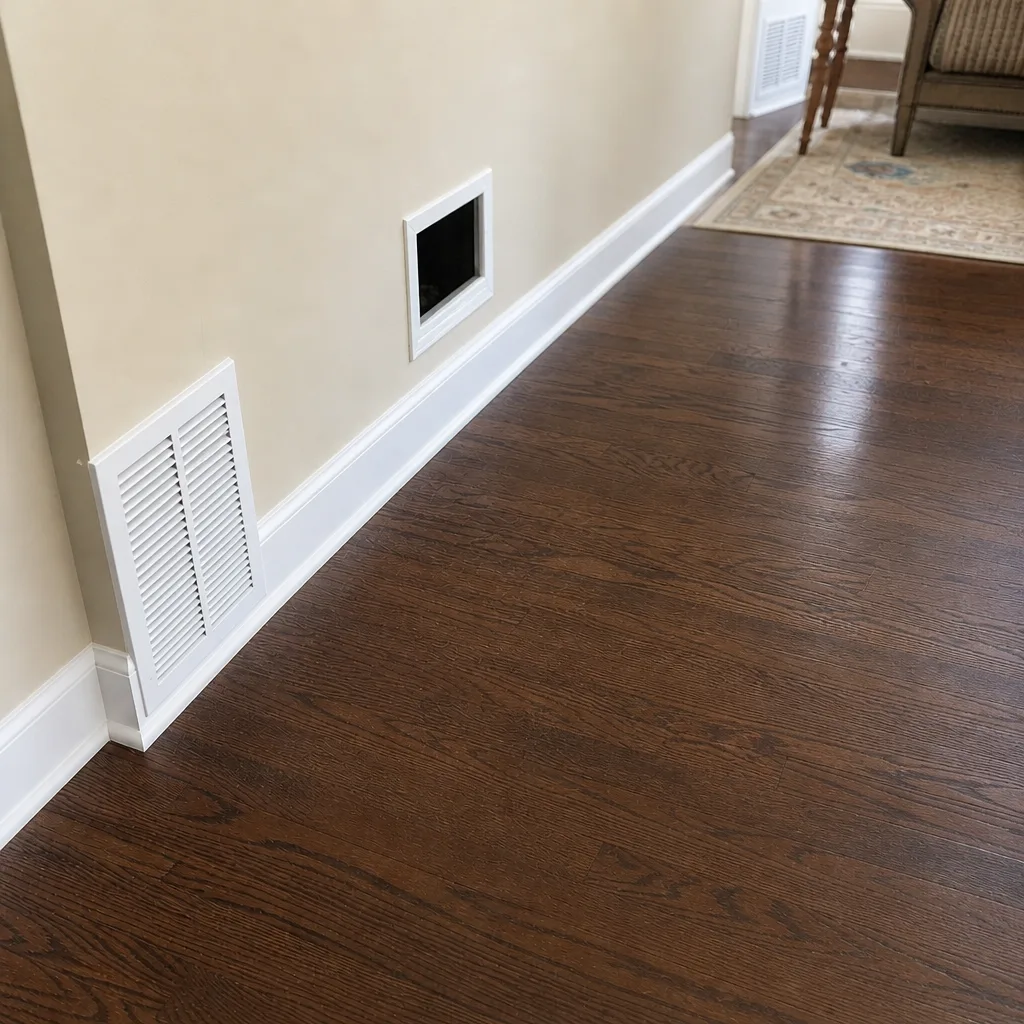 After
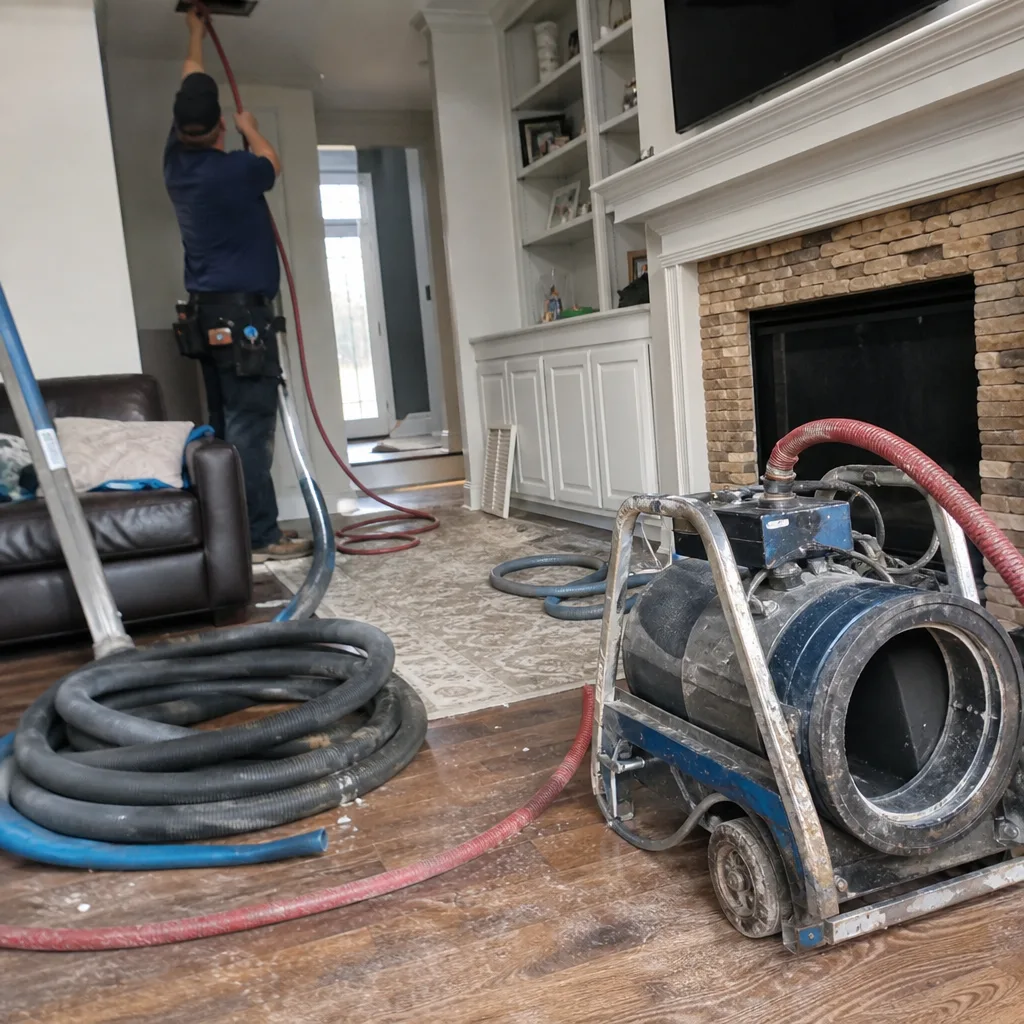 Before
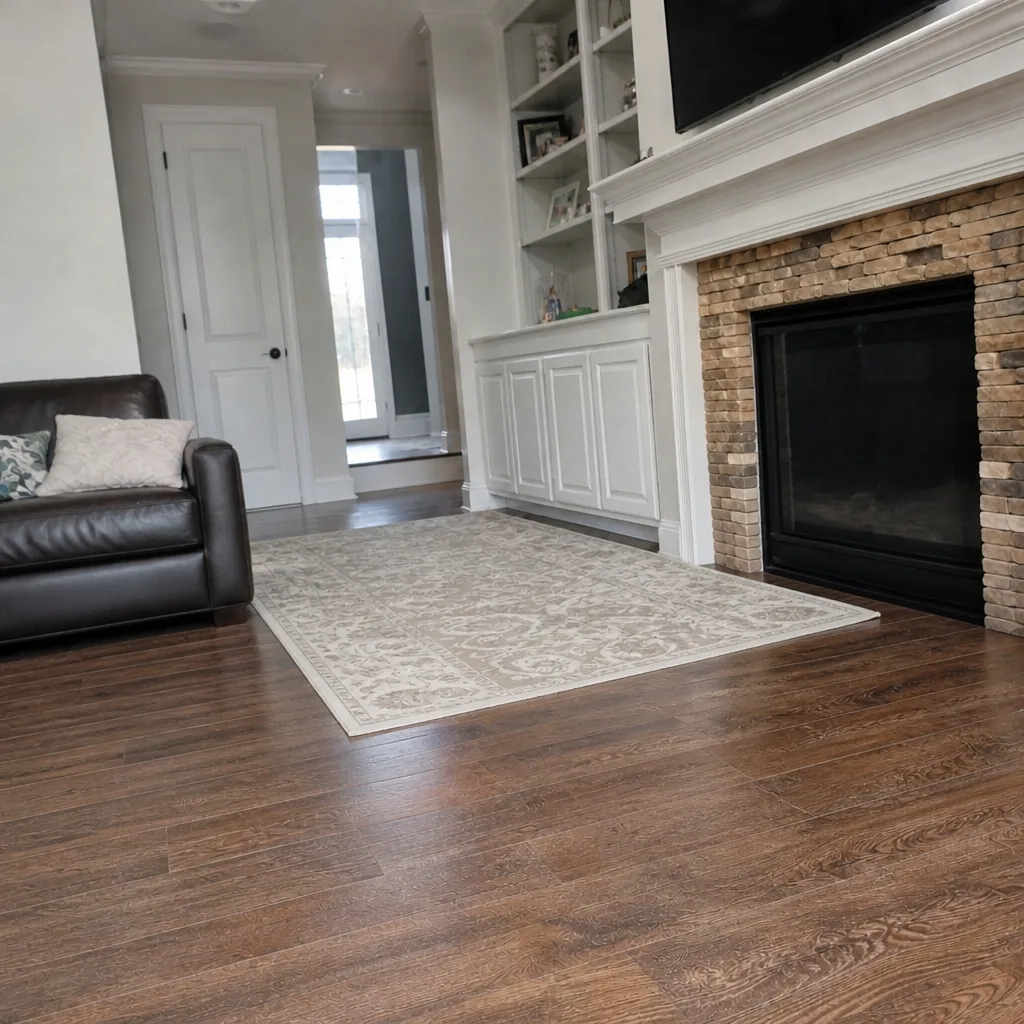 After
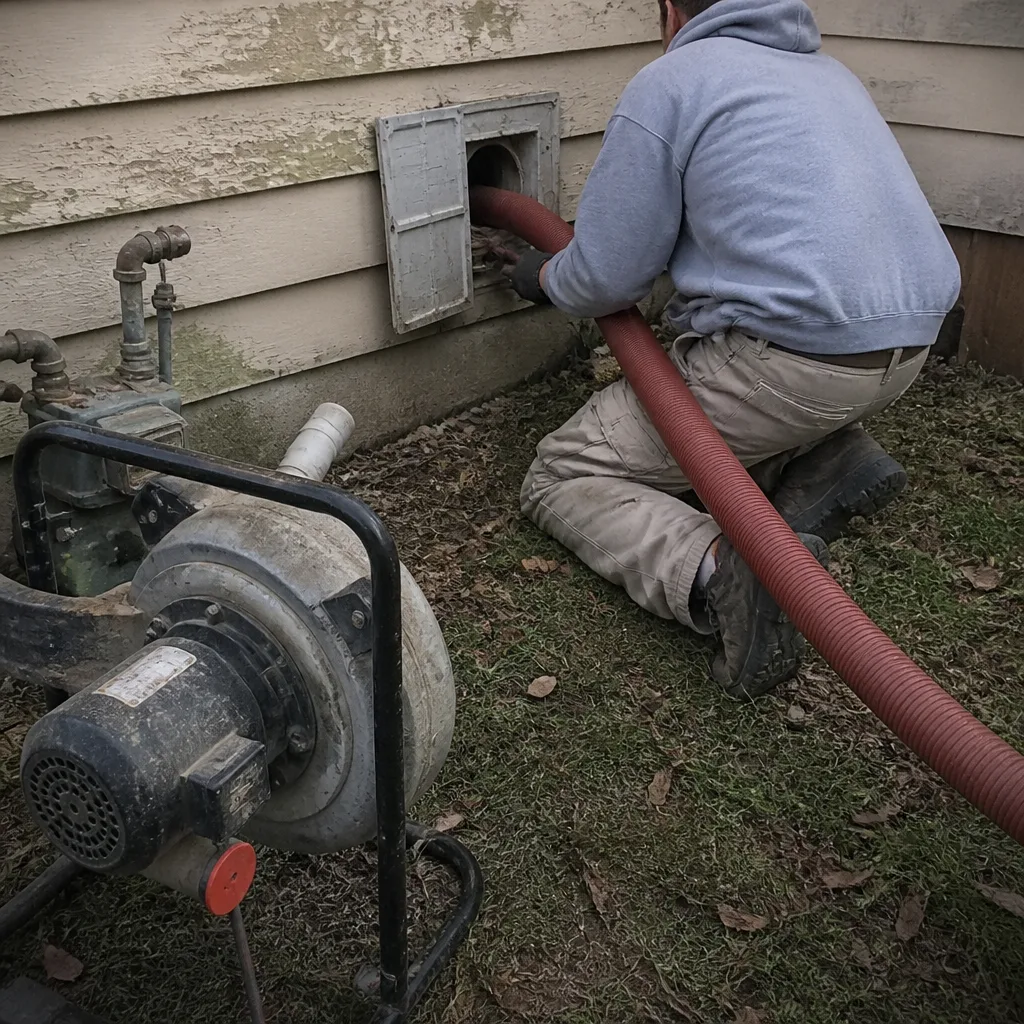 Before
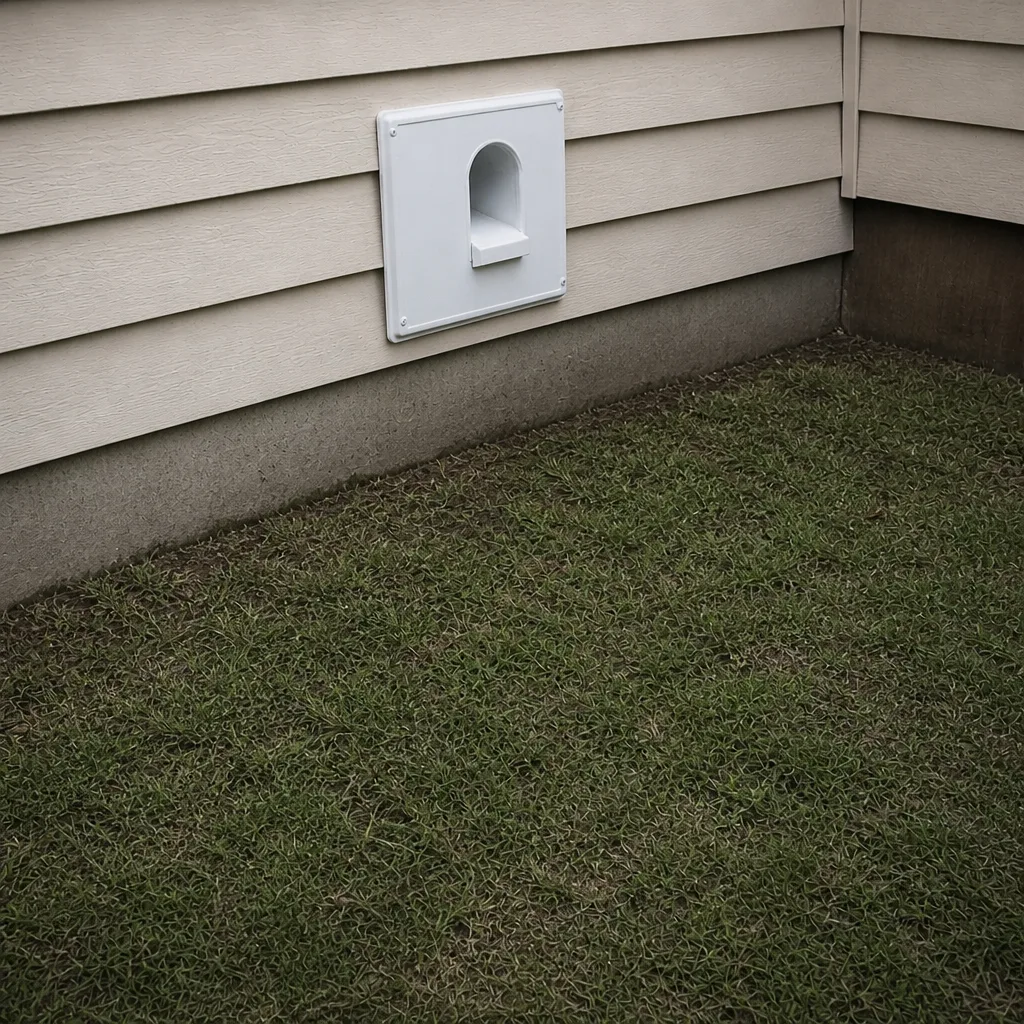 After
When to Call a Professional
Call when you can smell something on HVAC startup, when a room that used to be comfortable isn’t, when filters are loading faster than usual, or when symptoms seem to follow the system. Call after a renovation, particularly in older Nashville homes where ductwork was installed decades ago and might not be fully sealed. Call if you’ve never had the ductwork inspected and you don’t know what’s in it. And call for dryer vent cleaning even if the duct system is fine; it’s a fire-safety issue that doesn’t show up as a smell.
Duct Cleaning Nashville offers free estimates for homes in Nashville – call (855) 473-8488. We answer 24/7. Fast dispatch from 7am to 7pm, Sunday through Friday. Our technicians have up to 9 years of experience with duct cleaning, duct repair, and dryer vent work, and we’ll show you what we find before quoting a job.
Frequently Asked Questions
Most Nashville homes do well with an inspection every three to five years and a cleaning when the inspection shows it’s needed. Homes with pets, recent renovations, or occupants with respiratory sensitivities should be checked more often. The right interval depends on what’s in the ducts, not on a fixed schedule.
Not always, but it’s the most common cause when the smell appears only at HVAC startup. Coil buildup, damp duct liner, and bacterial growth in the plenum all produce similar smells. A camera inspection settles the question. If it does turn out to be biological, cleaning alone often isn’t enough; the moisture source needs to be found and fixed.
Cheap quotes usually skip the camera inspection, the air handler cleaning, and the equipment that actually contacts the duct walls. A truck-mounted shop vacuum and a thirty-minute pass produces a visibly different result than a contact-cleaning system paired with remediation-grade filtration. Ask what equipment gets used and whether you’ll see before-and-after photos. The written estimate sets the final price – and it should be per system, not per vent.
Ask for before-and-after photos of the same duct sections. A reputable crew documents the inspection and the cleaning with images you can compare. If a company can’t show you what the ducts looked like before and after, that’s a reason to look elsewhere.
Yes. A detached, kinked, or collapsed duct run in the attic or crawlspace reduces air delivery to that zone even when the HVAC is running correctly. If a room is consistently five or more degrees off from the setpoint, the ductwork is worth inspecting before assuming the equipment is at fault.
Usually, yes. Drywall dust, sawdust, and construction debris settle into open ductwork during renovation, and adhesive residue can cling to duct liner. A post-renovation cleaning with proper equipment removes what a standard vacuum leaves behind. It’s the most common reason we see for filters loading faster than usual.
It’s a separate service. Dryer vent cleaning involves a different duct system and a different fire-safety concern, and it’s often overlooked because it doesn’t affect indoor air quality. We offer it as a standalone visit, which makes it easier to handle alongside duct work when both are due.
The Bottom Line
The early warning signs of a duct problem rarely show up as visible dirt. They show up as an odor at startup, a room that’s drifted a few degrees, a filter that loads faster than it used to, and symptoms that follow the system rather than the season. Catch them early and the fix is usually cleaning. Catch them late and you’re often looking at repair. In Nashville’s humidity and renovation-heavy older neighborhoods, the earlier signals matter more than the obvious ones. Call (855) 473-8488 for a free estimate. We answer 24/7. Fast dispatch from 7am to 7pm, Sunday through Friday. One call covers your ducts, your dryer vent, and any repairs found along the way.
Written by the team at Duct Cleaning Nashville.