
Last updated November 15, 2026
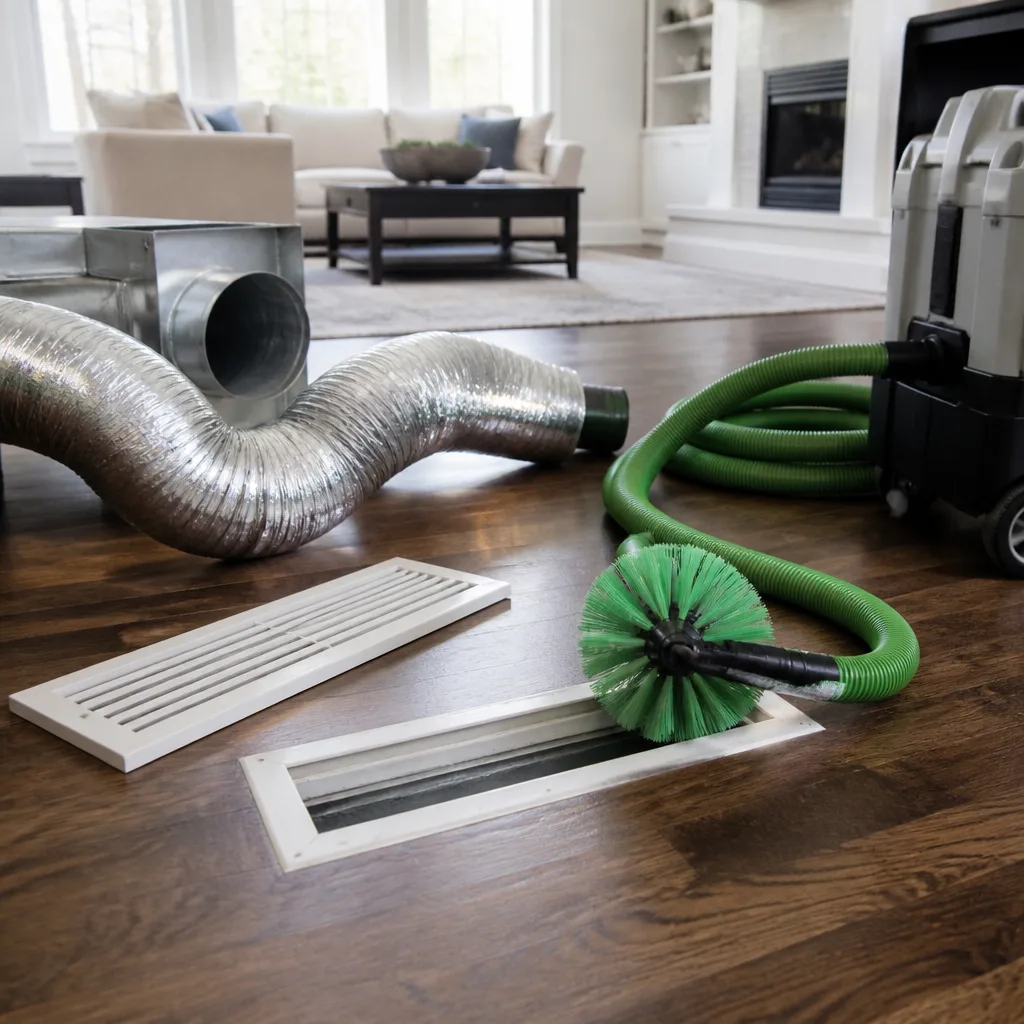 Whole-home duct cleaning
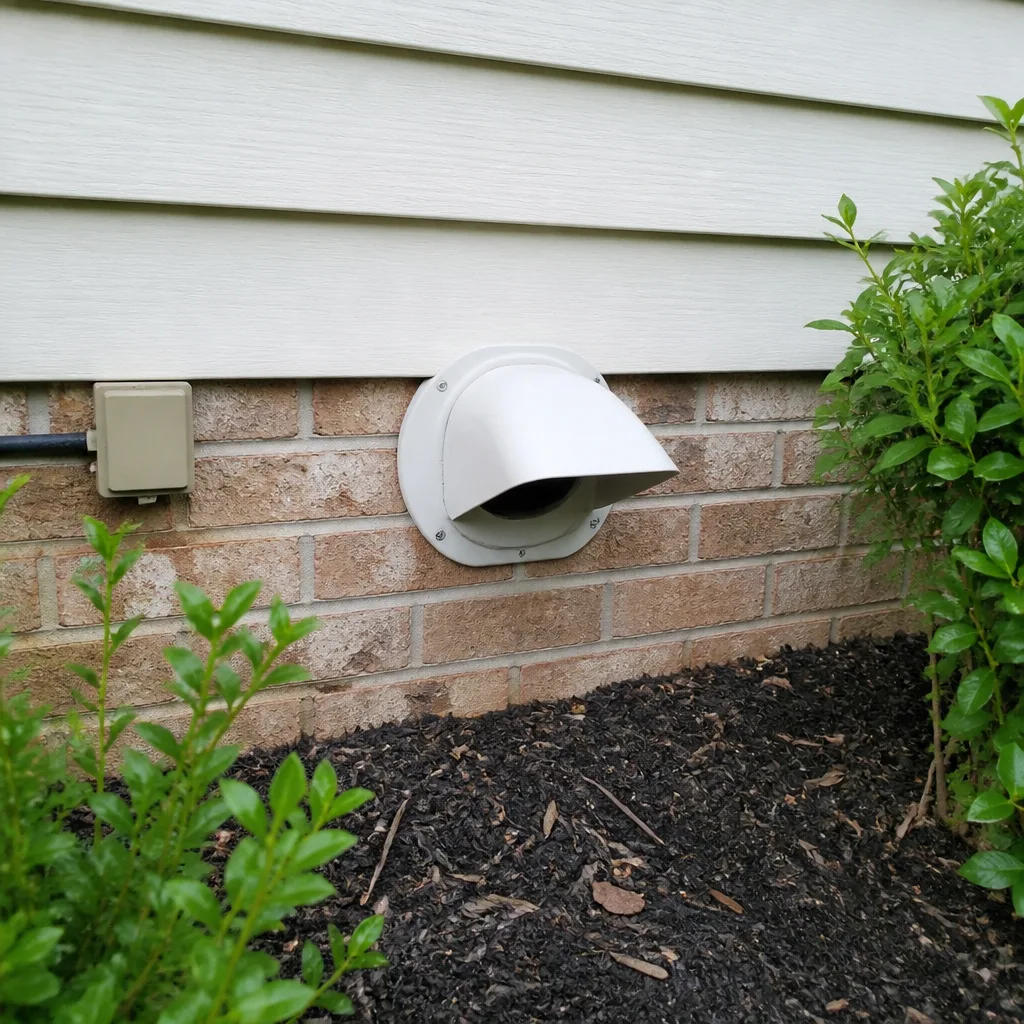 Dryer vent cleaning
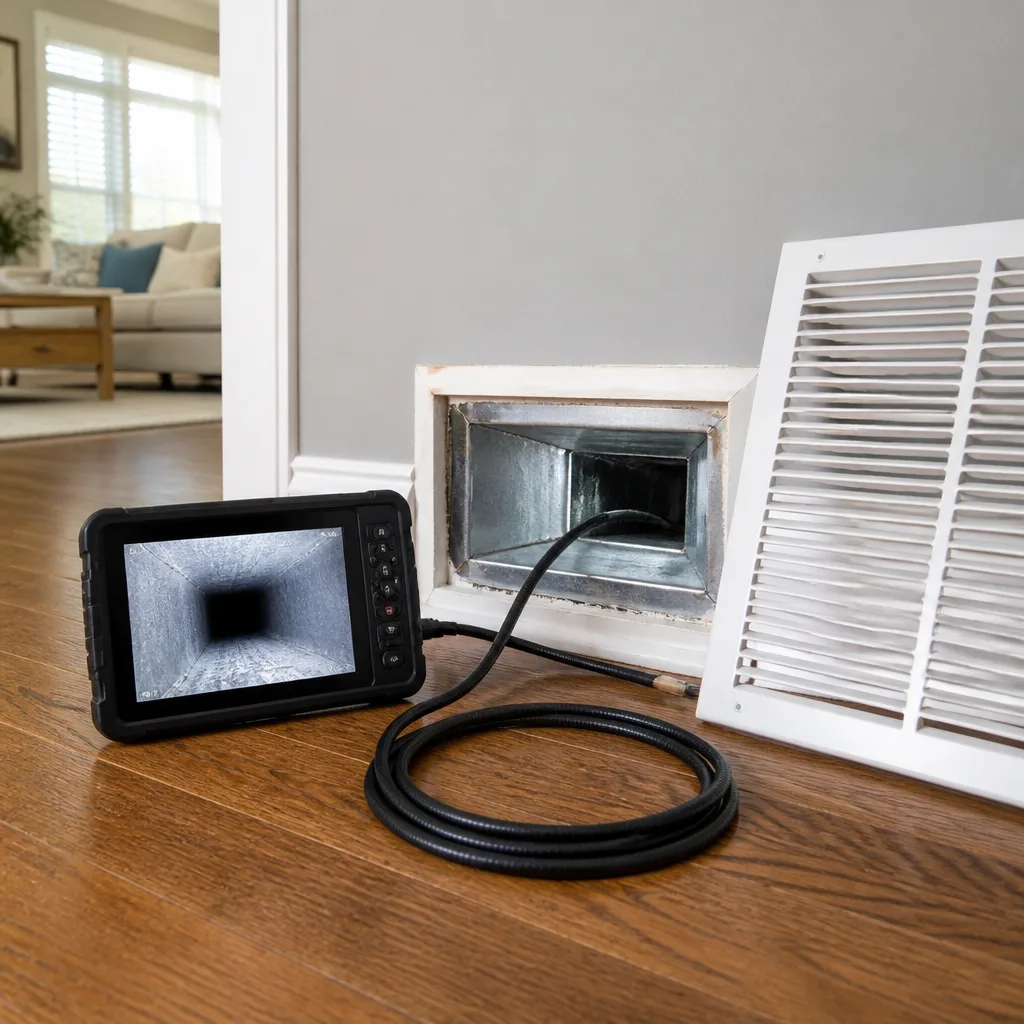 Camera inspection
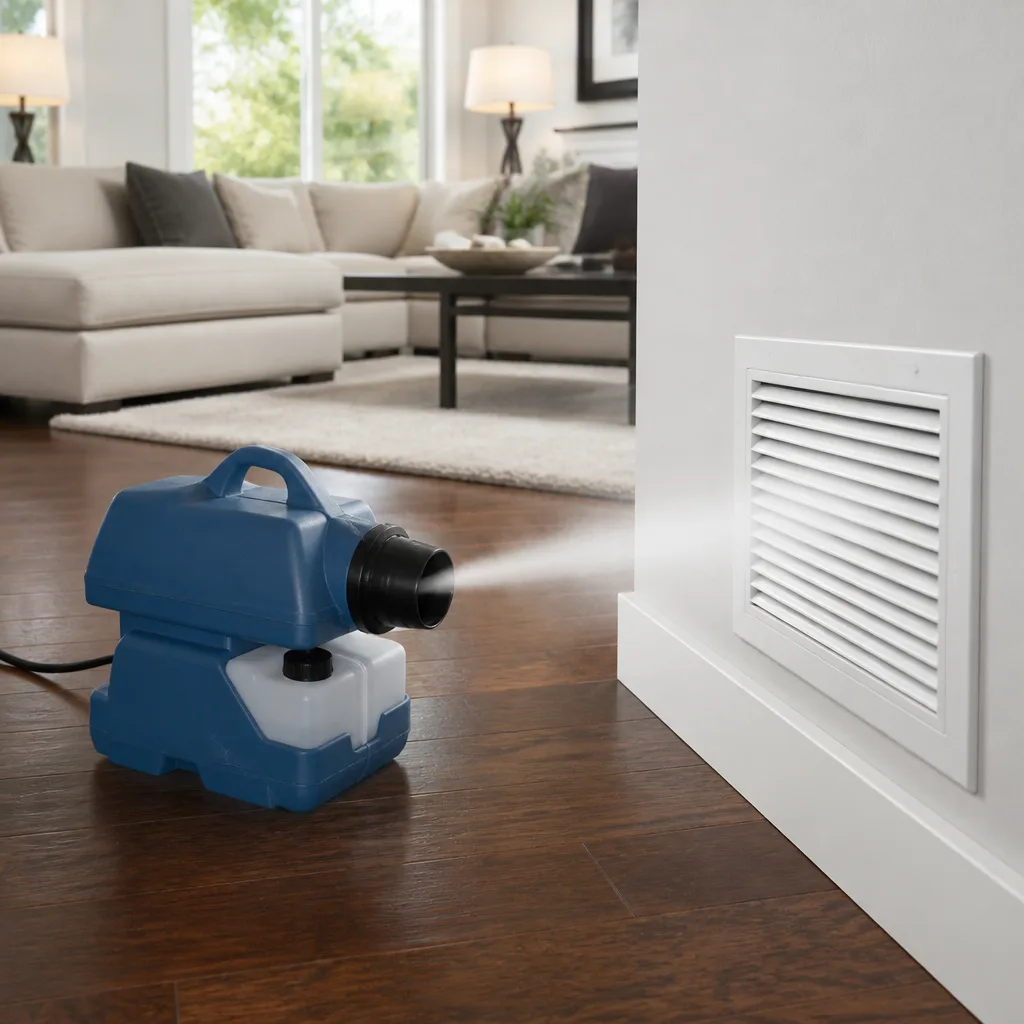 Sanitizing & deodorizing
Whole-system duct and dryer vent check with before-and-after photos - you see exactly what came out of your vents
That "$99 whole-house special" is a bait ad - the real number appears once they are in your hallway, or the "clean" is a shop-vac at the register. We photograph the inside of your ducts before and after instead.
DIY vs Professional Air Duct Cleaning: The Nashville Homeowner’s Decision Guide
A shop vac hose taped to a floor register pulls loose dust from the first few inches of duct and then starts fighting a losing battle. A professional negative air machine puts the entire duct system under sustained negative pressure and holds it there while contact tools work every branch line. The physics of those two approaches aren’t in the same category. That gap matters in Nashville because the housing stock here runs from mid-century ranches in Donelson to tightly built new construction in Antioch and Nolensville, and both hold debris differently. What follows is an honest breakdown of what you can actually do with consumer tools, where that capability ends, and how to spot the point where a professional visit stops being optional.
Quick Answer
DIY air duct cleaning handles register wipe-downs, accessible grille cleaning, and your own dryer vent brushing, but it cannot remove debris from the inside of a duct system because a shop vac can’t produce enough negative air pressure. A professional cleaning with commercial equipment is worth it when you have visible dust buildup, a system with no cleaning history, allergy or asthma concerns, mold, post-renovation dust, or flex duct that can be damaged by improper brushing. In Nashville, where humidity swings hard between summer and winter, the difference shows up most in systems that have never been opened.
Styles & brands we work with
- Whole-home duct cleaning
- Dryer vent cleaning
- Camera inspection
- Sanitizing & deodorizing
Table of Contents
- What DIY Duct Cleaning Can Actually Accomplish
- The Equipment Gap: Negative Pressure and Why It Decides the Outcome
- Nashville-Specific Risks: Flex Duct, Settled Debris, and Humidity
- The Middle-Ground Protocol: What Useful DIY Maintenance Looks Like
- When Professional Service Is Non-Negotiable
- What a Professional Cleaning Actually Involves
- Dryer Vents: The DIY Job That’s Worth Doing Right
- How to Judge a Duct Cleaning Quote in Nashville
What DIY Duct Cleaning Can Actually Accomplish
We won’t tell you that consumer tools do nothing. They do specific things well, and understanding exactly which things keeps you from wasting a weekend. Here’s the honest list:
- Register and grille wipe-downs: A damp cloth on supply and return grilles removes the visible dust film that settles on the surface. It won’t touch the duct behind the grille, but it makes a real difference to what you see and breathe in the room.
- Accessible plenum cleaning: If your furnace closet or air handler is reachable, wiping down the visible interior around the filter slot removes dust that would otherwise get pulled into the cabinet. Wear a mask and turn the system off first.
- Filter changes: The single highest-value maintenance task in your HVAC system is replacing the filter on schedule. A clogged filter strains the blower and drives dust back into the return.
- Dryer vent brushing: A homeowner can brush and vacuum the accessible run of a dryer vent, especially the short section behind the dryer. Most dryer vent fires happen because that task gets skipped for a decade.
- Return grille vacuuming: A shop vac with a brush attachment pulled across a return grille grabs lint and pet hair before it enters the return box.
Where the capability ends: inside the trunk line, inside the branch runs, at the transitions and elbows, and anywhere debris has settled against the duct wall. A shop vac can’t reach those places, and even if the hose goes in, the airflow it generates won’t lift material that’s been sitting in place since the house was built. In our experience in Nashville, most of the heavy accumulation lives exactly where a homeowner can’t see it.
The Equipment Gap: Negative Pressure and Why It Decides the Outcome
This is the section that matters most, and it’s the one most DIY articles gloss over. Professional duct cleaning isn’t just bigger vacuums. It’s a different approach to the whole system.
A truck-mounted or high-capacity portable vacuum used by professional cleaners is engineered to move thousands of cubic feet per minute (CFM) of air at sustained static pressure measured in inches of water column. That combination of airflow and pressure is what pulls the entire duct system into negative pressure – meaning air, dust, and debris want to move toward the vacuum, not into the room. When a technician opens registers and agitates the ducts with a rotating brush or air whip, the loosened debris is already being pulled toward the extractor instead of floating back into your living room.
A shop vac moves a fraction of that airflow and can’t sustain meaningful static pressure against a closed duct system. Attach one to a register and here’s what happens in practice:
- The hose pulls loose dust from the few inches it can reach.
- Static pressure builds up behind the debris and the suction drops off quickly.
- The agitation you create with the hose or a brush actually loosens more debris than the vacuum can carry away.
- Some of that loosened material redistributes to other parts of the duct or escapes back into the room.
That last point is why “so DIY duct cleaning isn’t dangerous?” comes up. It usually isn’t dangerous. It’s just structurally limited. The real risk is that you believe the job is done, when in fact the surface debris has been moved, not removed. In Nashville homes, where returns in older construction often run through wall cavities with limited access, that redistribution is especially easy to miss.
Professional setups solve this with the full sequence: HEPA-rated negative air filtration for containment, contact tools like a Rotobrush system that agitate the duct wall from the inside, and Nikro style extraction equipment pulled from the register side. The containment part matters more than most homeowners realize – it’s what keeps the loosened material from ending up on your furniture. Abatement Technologies air filtration equipment is the same category of tooling used in construction and mold remediation work, which is one reason it’s a fit for duct cleaning where airborne contamination is a concern.
Nashville-Specific Risks: Flex Duct, Settled Debris, and Humidity
Nashville weather creates a specific pattern in duct systems. Summer humidity sits heavy from June through September, and winter dry air arrives with heating season. That swing means ducts see condensation cycles in the shoulder months, then weeks of dry air, then humidity again. In duct systems with no prior cleaning history – which describes most of the older homes we work in around East Nashville and Inglewood – that cycle traps dust against duct walls in layers, and once it’s bonded, only aggressive mechanical agitation plus proper extraction will remove it.
The second Nashville-specific concern is flex duct. A lot of mid-century homes and mid-2000s additions were wired with flexible insulated duct rather than rigid sheet metal. Flex duct is efficient and cheap to install, but the interior liner is thin and easy to puncture. DIY brushing with a consumer duct brush or a shop vac hose shoved into a flex run can tear the liner, and a torn liner becomes a dust trap. Once the liner is compromised, air escapes into the attic or wall cavity instead of reaching the room, and you’ve turned a routine cleaning into an air duct repair job.
The third concern is settled debris. Nashville homes that have been through renovation – a kitchen remodel, an attic conversion, new flooring – often have construction dust and drywall residue sitting at the bottom of the trunk line. Agitating that without containment (negative pressure and filtration at the extractor) liberates the dust into the living space. In homes where someone in the household has asthma or allergies, that’s a real cost.
One detail worth knowing: most Nashville-area building departments require a permit for substantial duct work, especially when duct runs are being replaced. If you suspect your flex duct is damaged, that’s the moment to ask the city’s building department about permit requirements rather than assume. Our team can walk you through what air duct repair usually involves.
The Middle-Ground Protocol: What Useful DIY Maintenance Looks Like
Between “do nothing” and “call a pro” there’s a middle protocol that genuinely helps, and it’s the protocol we recommend to Nashville homeowners who aren’t ready to book a full cleaning yet. Here’s the sequence, and it’s genuinely useful once a year regardless of whether you hire out.
- Change the filter on schedule. Check the rating your system calls for (usually noted on the air handler or in the manual) and replace according to the manufacturer’s interval, more often during heavy pollen seasons – Middle Tennessee’s pollen counts are hard on filters from March through May.
- Wipe registers and returns monthly. A damp microfiber cloth across supply and return grilles takes 30 seconds per grille and keeps visible dust from shedding back into the room.
- Vacuum the return intake. A shop vac with a brush attachment across the return grille, and just inside the reachable opening, is safe. Use your judgment here: don’t shove the hose deep into the return if it’s flex duct.
- Brush the accessible dryer vent run. Pull the dryer slightly out, disconnect the vent, and use a dryer vent brush to clear the accessible section. Do not do this if the vent run is rigid metal with no accessible cleanout; that’s a professional task.
- Check for visible problems annually. Look at the register boots and the accessible plenum for dust streaks, water stains, or visible mold. If you see any of those, skip the DIY and book an inspection.
- Document it. Take dated photos of your register grilles after wiping them. When you do eventually hire a professional, showing them the history helps them build a cleaning plan that matches your actual system.
This protocol won’t make a professional cleaning unnecessary. What it does is slow accumulation, protect your filter, and catch problems early. It also gives you a baseline for judging the value of a professional quote – if you know your registers were clean in January and they’re gray by July, you have evidence of the accumulation issue rather than a vague suspicion. That’s useful information for any air duct cleaning decision.
When Professional Service Is Non-Negotiable
Some jobs are not a judgment call. We’ve seen these play out in Nashville homes, and in each case the right answer was a professional visit:
- Post-remediation verification: If your home has had mold remediation, the ducts often need cleaning and verification that the remediation succeeded. Fixing the mold in the wall doesn’t help if the ducts are still contaminated. This requires containment, HEPA filtration, and post-cleaning confirmation.
- Confirmed mold in the ducts: Any visible mold growth inside ductwork or on the air handler coil means the system needs a professional inspection. Consumer vacuums spread mold spores rather than removing them.
- Post-renovation contamination: Drywall dust and construction debris in ducts need proper extraction, not just a shop vac. The fine particles are exactly what consumer filters don’t capture.
- No prior cleaning history: If you’ve owned the home for a decade and never had the system cleaned, the accumulation is likely more than DIY tools can address. In older Nashville homes, that’s almost always the situation we walk into.
- Allergy or asthma concerns: If someone in the household reacts to dust, the goal is a system verified clean enough to release air into a bedroom with confidence. That verification requires tools that can measure and document what’s been removed.
- Suspected flex duct damage: Punctured or collapsed flex duct needs air duct repair, not cleaning. A cleaning crew that keeps brushing a damaged line makes the problem worse.
- Dryer vent cleaning on long or complex runs: A dryer vent that runs through a wall or attic and exceeds a short accessible length needs professional rod and brush equipment with inspection to confirm the vent is clear.
In all of these, the honest answer is that spending an afternoon with a shop vac may actually cost you more – in re-dirtying the house, in a damaged flex run, or in a false sense of security.
What a Professional Cleaning Actually Involves
Understanding the professional process is the best defense against the low-bid operators who give this industry its bad reputation. Here’s what a legitimate duct cleaning visit involves, and what you should look for when you hire.
- Inspection first. Before any equipment starts, the technician should walk the system – registers, returns, the air handler, the accessible duct runs – and note what they find.
- Containment setup. Negative air pressure is established before any agitation begins. A HEPA filtration unit at the extractor keeps the loosened material from escaping into the house.
- Contact agitation. The key step. A rotating brush or air whip travels the length of each duct run, knocking accumulated debris off the duct wall so the extractor can pull it away. A truck-mounted vacuum alone doesn’t contact the duct wall – contact tools are what make the difference.
- Extraction with negative pressure. The extractor holds the system under negative pressure throughout the agitation sequence, pulling loosened debris toward the vacuum.
- Register and grille cleaning. Supply and return registers get wiped down (not the property of the vacuum) after the ducts are done.
- Before-and-after documentation. Photos taken inside the duct before cleaning and after cleaning are the honest proof of work. If a company won’t show you before-and-after photos of your own ducts, ask them why.
- Repair findings. If the inspection turns up damaged flex duct, disconnected joints, or holes in the trunk line, that information should reach you with a clear scope for repair.
One clear difference you’ll notice: the equipment matters as much as the crew. Professional setups use a Rotobrush contact cleaning system to agitate the duct interior, Nikro extraction gear to pull the loosened debris, and Abatement Technologies filtration for containment. Equipment of that caliber isn’t in the toolkit of every low-bid operator, and it’s worth asking directly what equipment a company plans to bring.
Dryer Vents: The DIY Job That’s Worth Doing Right
Dryer vent cleaning is the one task on the maintenance list where DIY genuinely has a place – but only up to a point. The short accessible run behind and above the dryer is fine to brush out on your own. Longer runs that travel through walls, the attic, or the roof need professional equipment.
The risk you’re addressing is real. Lint accumulation in dryer vents is one of the leading causes of residential fires, and it’s entirely preventable. In a Nashville home with an older dryer vent installation – especially ones vented through an attic – lint buildup can be extensive and invisible from either end. A professional cleaning of the vent also gives you the chance to verify that the vent flaps open and the run isn’t crushed or kinked.
If your dryer takes more than one cycle to dry a load, or if the exterior vent flap stays closed during operation, those are signals that the run needs professional attention. You can read more about what dryer vent cleaning covers on the service page.
How to Judge a Duct Cleaning Quote in Nashville
The single largest objection homeowners raise with us is bait-and-switch pricing: a low advertised rate that turns into a much larger invoice once the crew is on site. Here’s how to cut through it.
- Ask what “cleaning” means. A quote for cleaning should specify contact agitation, extraction, register cleaning, and containment. Anything less is a surface pass.
- Ask for a flat price for the system. The written estimate should cover the whole system, not per-vent pricing that balloons as they find more vents.
- Ask about before-and-after photos. Legitimate work can be documented. Ask for photos of your own ducts, not stock images.
- Ask about the equipment. If the answer is “truck-mounted vacuum” without contact tools or filtration, that’s a partial job.
- Ask about repair.** A crew that discovers damaged flex duct should be able to address it. Providers who only clean and don’t repair hand you a problem they found.
Our pricing is a flat price per system agreed before work starts, with before-and-after photos of your own ducts as standard. Why are some quotes so much cheaper? Usually because the scope is smaller – less equipment, no containment, no contact agitation, and no repair capability. That’s the trade-off to understand before you book.
The Tennessee climate also affects which cleaning strategy makes sense. In Nashville, humidity swings mean that duct systems with filter cartridges or air cleaners (Aprilaire and Honeywell style systems are common here) benefit from being cleaned along with the system rather than separately. If your system has an Aprilaire or Honeywell filtration component, it’s worth mentioning when you call so the cleaning scope accounts for it.
Common Mistakes to Avoid
- Shoving a shop vac hose into a flex duct run. Flex duct liners tear easily. A torn liner lets conditioned air escape into the attic and creates a new dust trap. Stop before the hose hits the liner.
- Brushing ducts before setting up containment. If you loosen debris without negative pressure and filtration, it goes into the room instead of the vacuum. If the room smells like the attic afterward, that’s what happened.
- Assuming a truck-mounted vacuum alone is a full cleaning. Contact agitation is what removes debris from the duct wall. A vacuum with no brush does less than most homeowners expect.
- Hiring the lowest quote without asking about scope. A cheap job that skips containment and register cleaning is not the same product. Ask what’s included before you compare prices.
- Ignoring the filter cartridges. In Nashville, pollen season crushes filters. If your system uses an Aprilaire or Honeywell media filter, changing it on schedule is a DIY task that genuinely extends the interval between cleanings.
- Booking a cleaning without an inspection. A good cleaning starts with a walk-through of the system. If nobody inspects the ducts first, they’re guessing.
- Skipping the dryer vent entirely. The duct system and the dryer vent share the same risk profile – lint and debris accumulation – but most homeowners only touch one of them.
See the difference
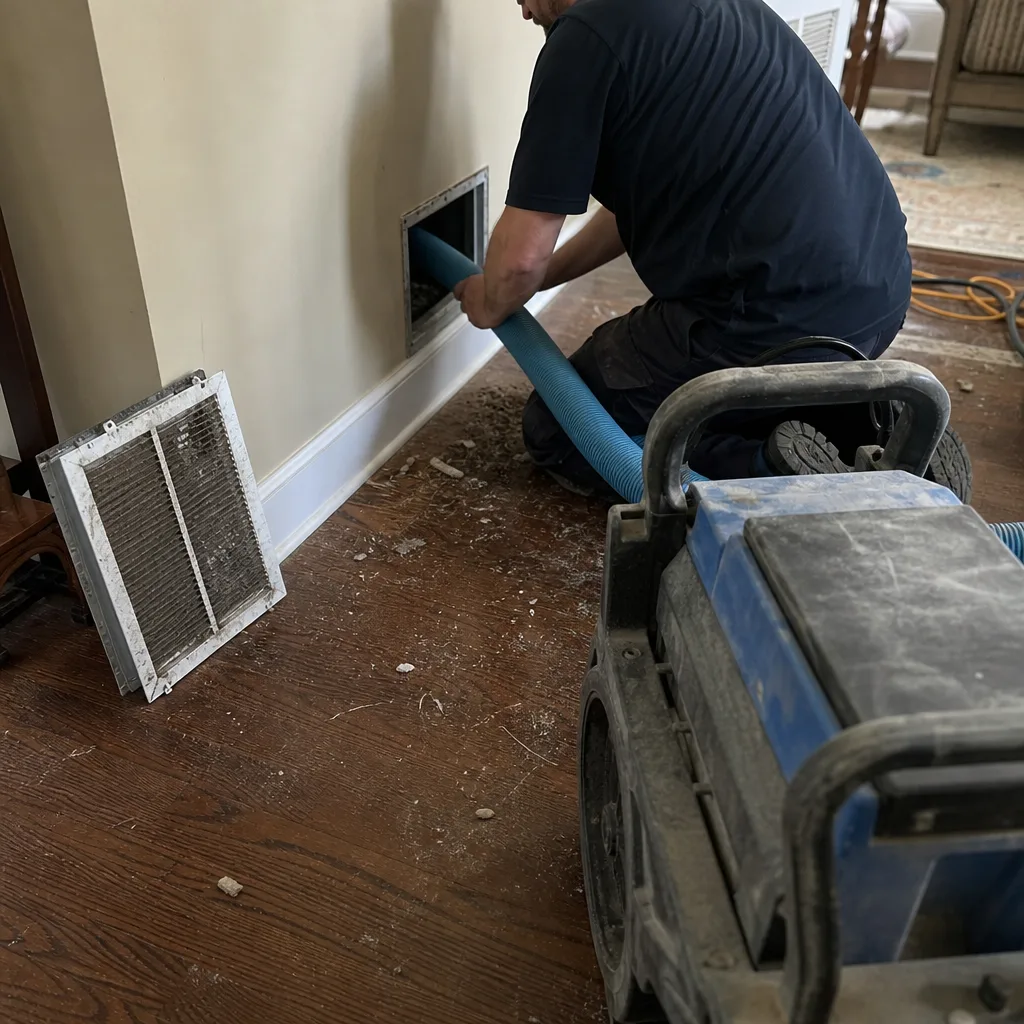 Before
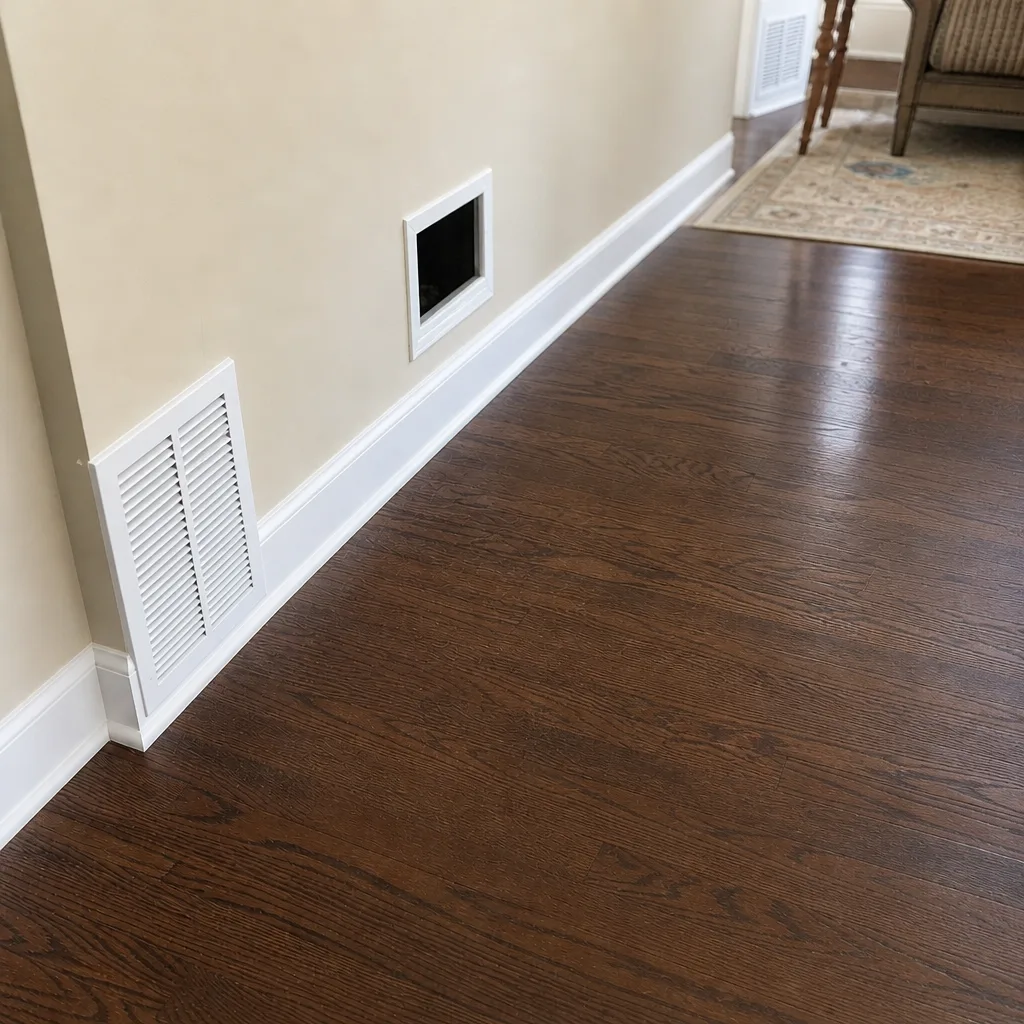 After
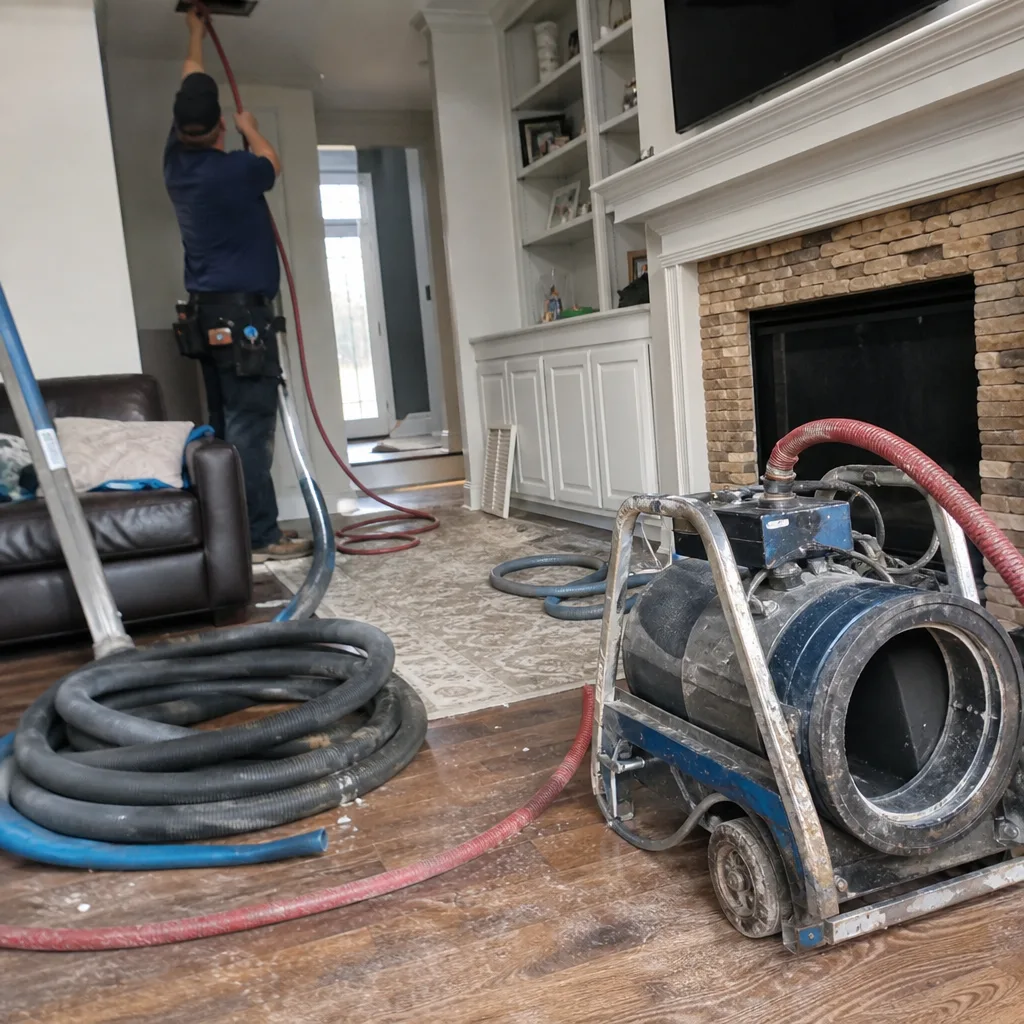 Before
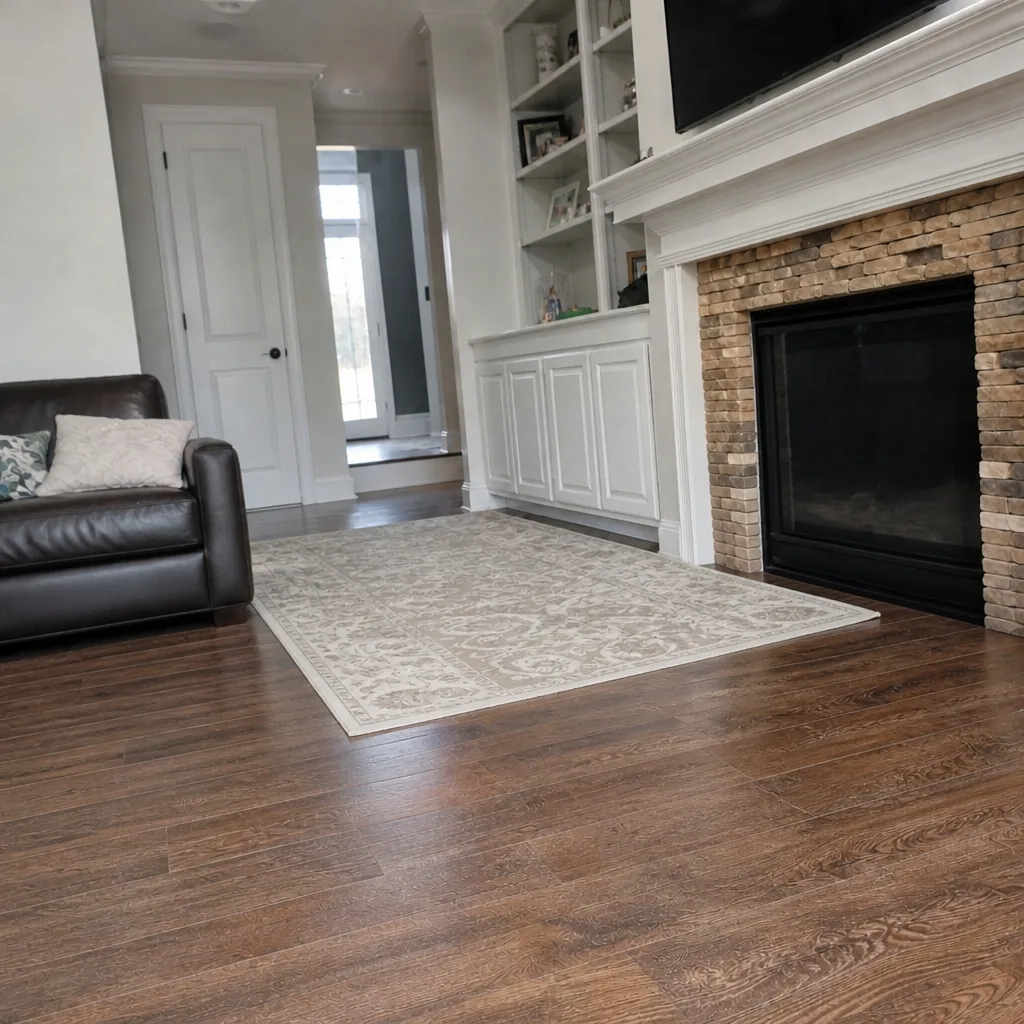 After
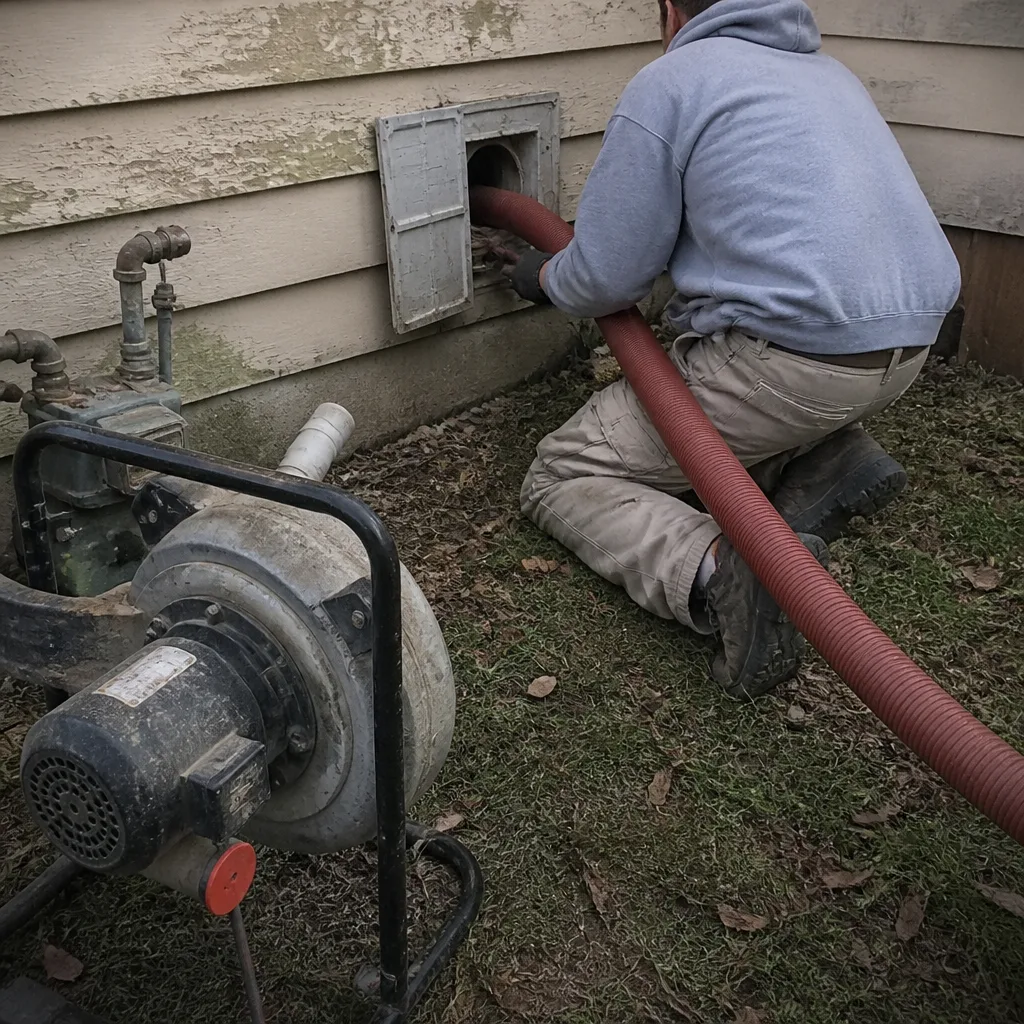 Before
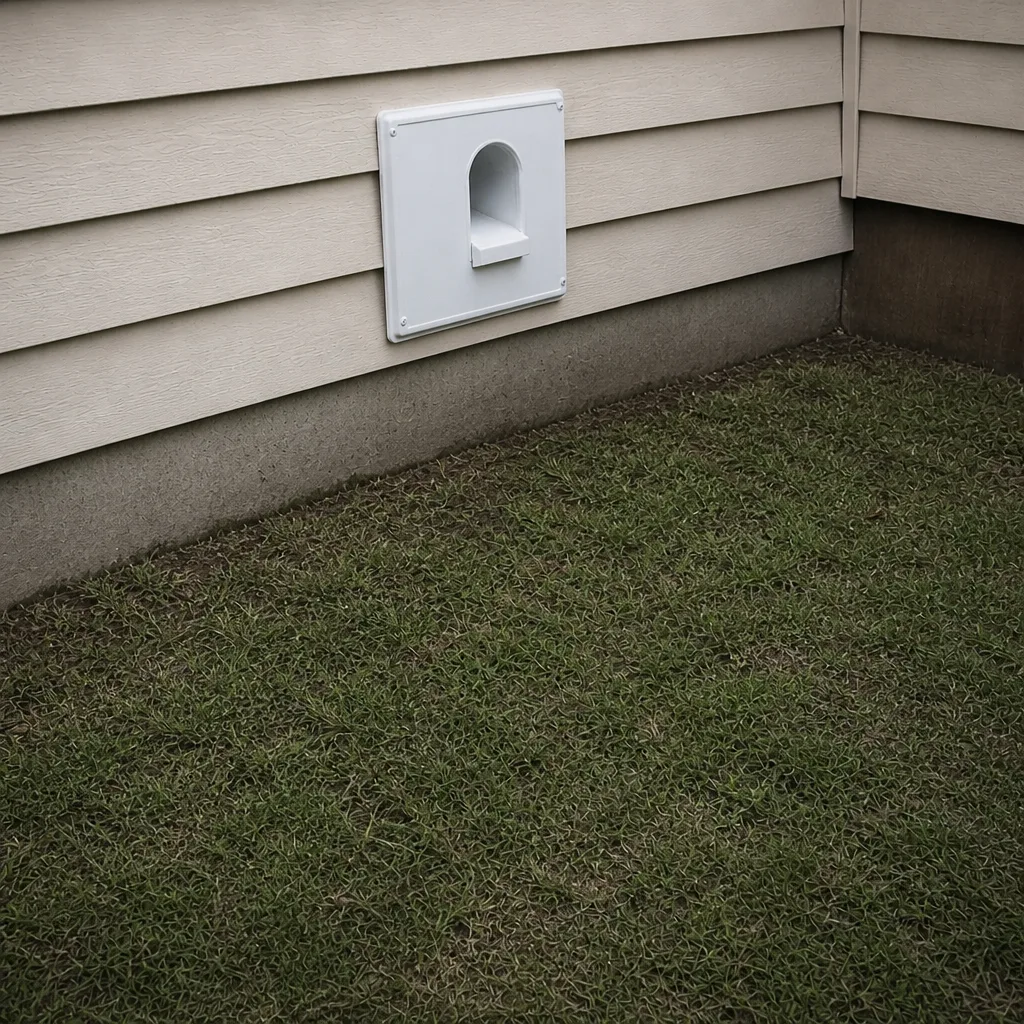 After
When to Call a Professional
Call a professional when the situation matches any of these: visible dust streaks or mold in the ducts or on the air handler coil, a system that has never been cleaned (especially if the home changed owners), a recent renovation, a household member with asthma or allergies, damaged flex duct, or a dryer vent run that travels through walls or attic. The DIY protocol above will keep your system in reasonable shape between visits, but it cannot replace the equipment a professional cleaner brings. Duct Cleaning Nashville offers free estimates in Nashville and works with a professional-grade equipment lineup – Rotobrush contact cleaning, Nikro extraction, Abatement Technologies filtration – that consumer tools can’t match. Call (855) 473-8488 to book an inspection and get a flat per-system price.
Frequently Asked Questions
In our experience, a realistic range for a whole-home duct cleaning in the Nashville market typically runs from about the mid-hundreds to over a thousand dollars depending on the number of registers, the size of the system, and whether repair or additional filtration is involved. The honest way to price it is a flat price per system agreed before work starts, not a per-vent rate. Call (855) 473-8488 for an exact quote – estimates are free.
No. A shop vac can wipe registers and grilles and pull loose dust from the first few inches, but it can’t generate the negative pressure or airflow (CFM at measured static pressure) needed to remove debris from a duct system. The result is usually that debris gets moved rather than removed. Call (855) 473-8488 if you want to understand what your specific system needs.
Cheap quotes usually skip the parts of the job that are hardest to see: containment, contact agitation, and register cleaning. A low advertised rate often becomes a larger invoice once the crew is on site, which is the bait-and-switch this industry is known for. We set one flat price per system in writing before work starts so there’s no surprise on the invoice. Call (855) 473-8488 for a free written estimate.
Ask for before-and-after photos of your own ducts, taken inside the system. Honest cleaning work can be documented, and any company worth hiring can produce photos of the work performed. If a company won’t show you, that’s your answer. Call (855) 473-8488 and we’ll explain what documentation comes with the job.
There’s no universal calendar answer – it depends on your home, the system, and whether anyone has allergies. For a Nashville home with no prior cleaning history, the first cleaning usually shows the most buildup; after that, most homeowners can go several years between visits with the register and filter protocol above. Call (855) 473-8488 if you’re unsure whether it’s time.
It can, mostly by puncturing flex duct liners or by loosening settled debris without containment so it goes airborne in the living space. Avoid pushing brushes or hoses deep into any duct run, and never agitate a duct system without proper filtration running. If you suspect damage, call (855) 473-8488 – our team also handles air duct repair and can inspect what’s going on.
The Bottom Line
DIY duct cleaning handles a specific set of jobs well: register wipe-downs, accessible grille cleaning, filter changes, and the shorter dryer vent run. Where it stops is the inside of the duct system, and that’s not a failing of effort, it’s a failing of the equipment. Sustained negative pressure and contact agitation are what remove accumulated debris instead of redistributing it. In Nashville homes, with their flex duct and heavy seasonal humidity swings, doing it yourself raises the risk of damaged duct liners and scattered dust. Use the middle-ground protocol to stay ahead between professional cleanings. When you’re ready for a professional pass – or want to know how often your specific system needs one – Duct Cleaning Nashville can help.
Call (855) 473-8488 for a free estimate. We answer 24/7. Fast dispatch from 7am to 7pm, Sunday through Friday. We’re closed Saturday.
To learn more about our full scope, see our Duct Cleaning Nashville page and what our air duct cleaning service covers across Nashville.
Written by the team at Duct Cleaning Nashville.