
Last updated November 15, 2026
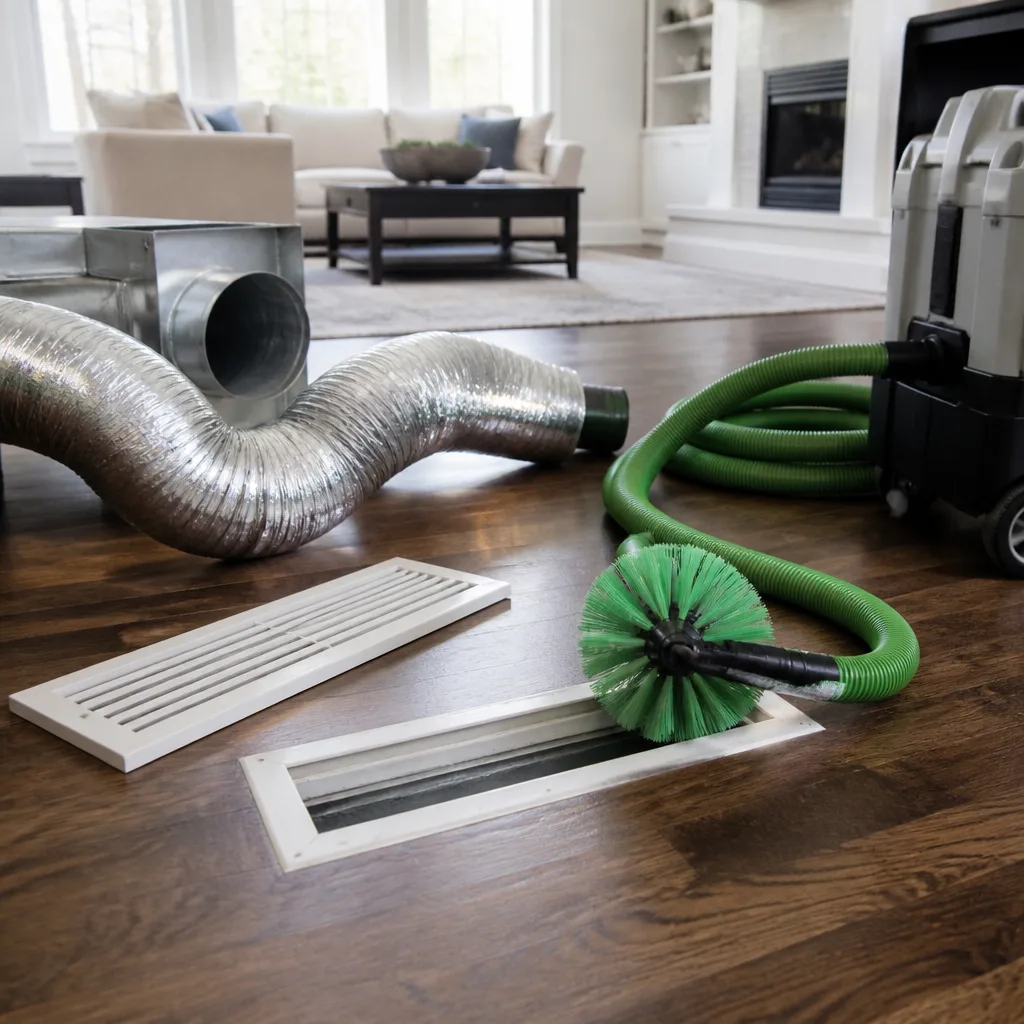 Whole-home duct cleaning
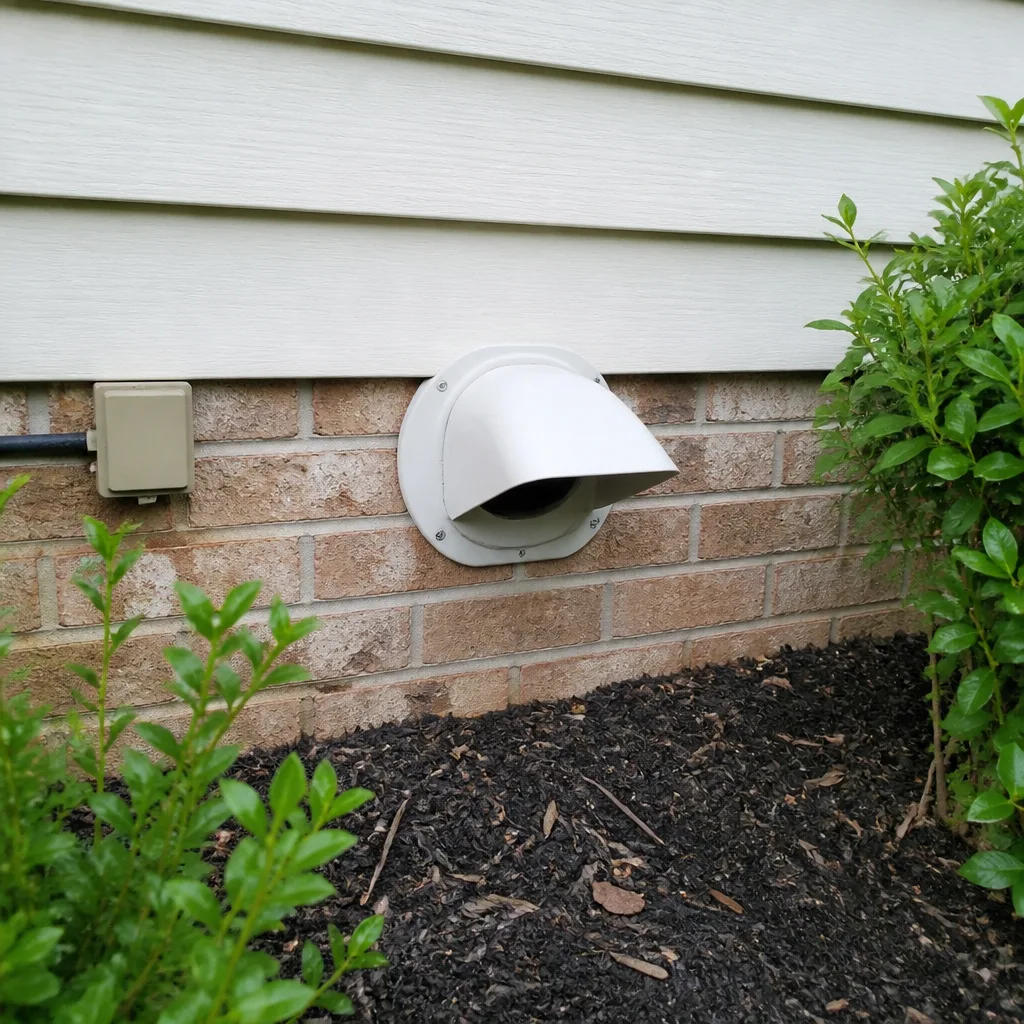 Dryer vent cleaning
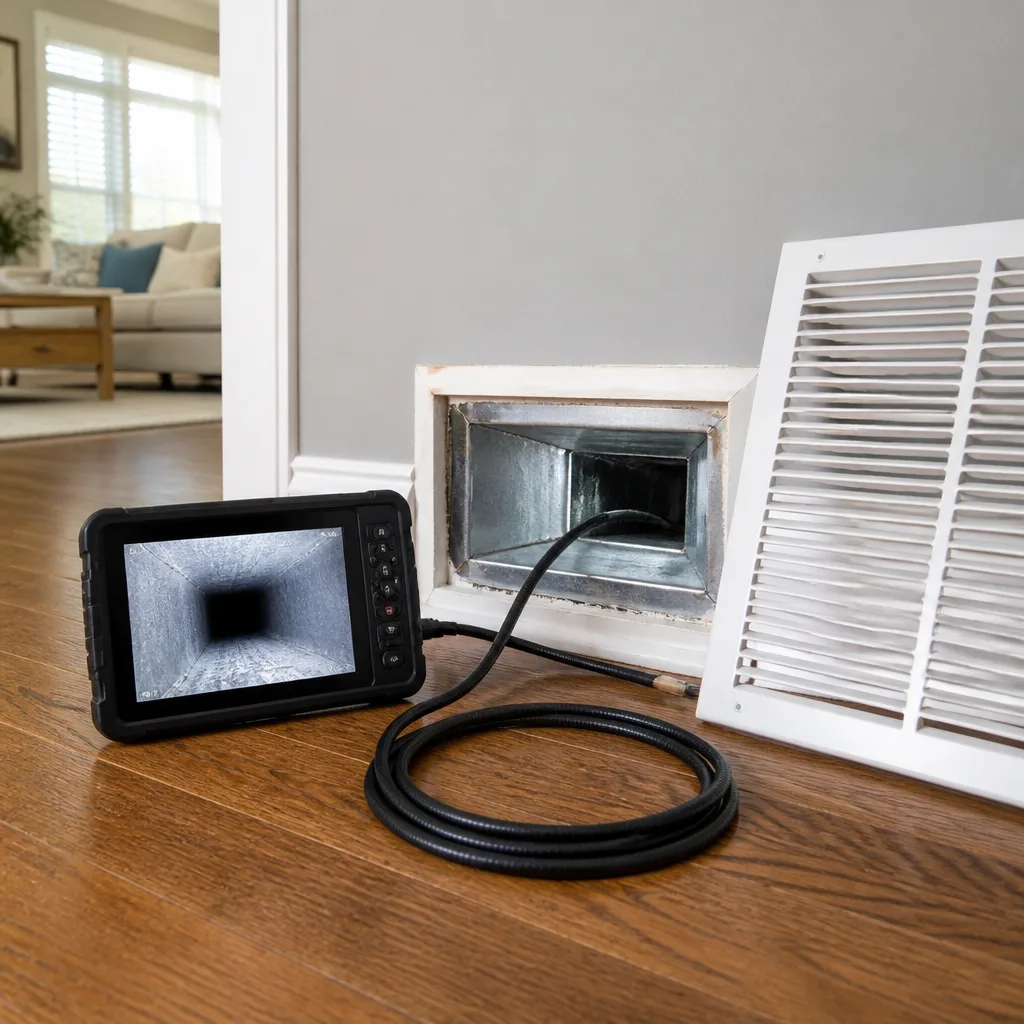 Camera inspection
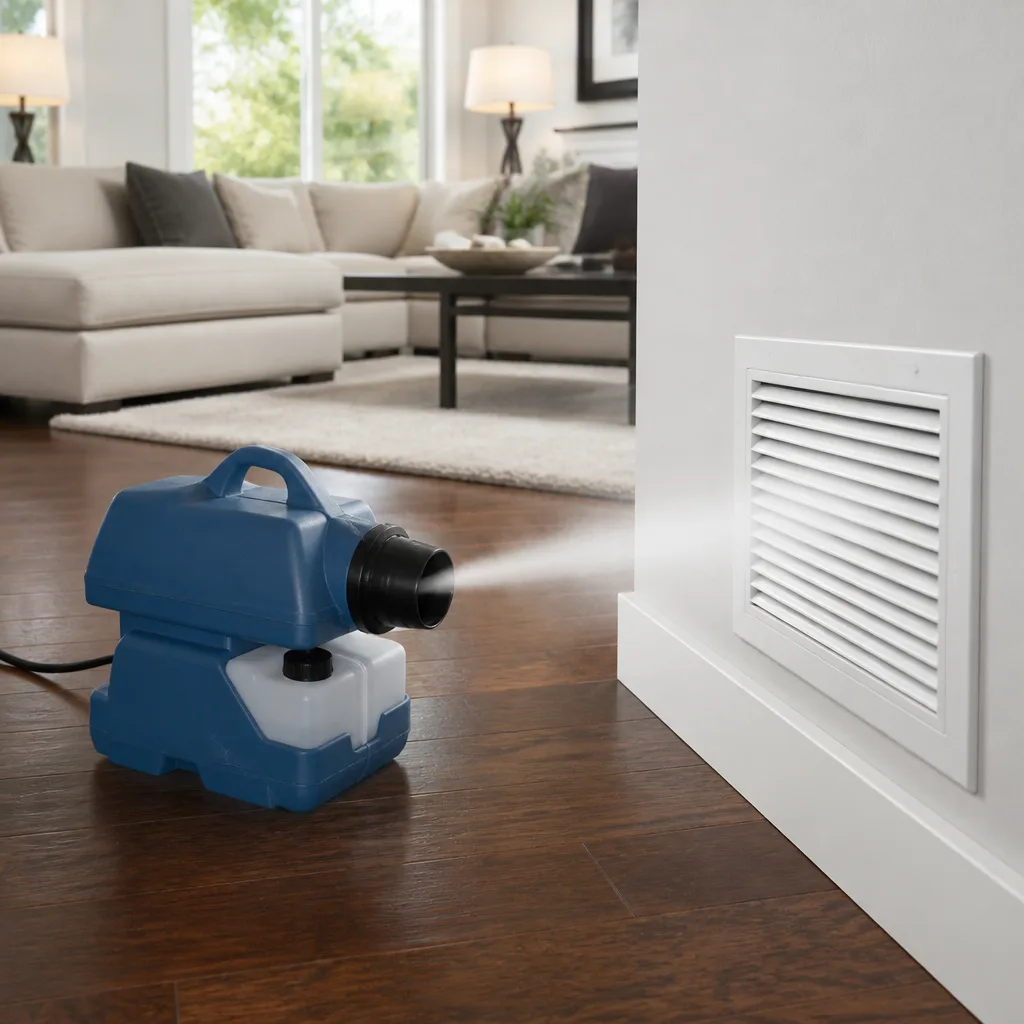 Sanitizing & deodorizing
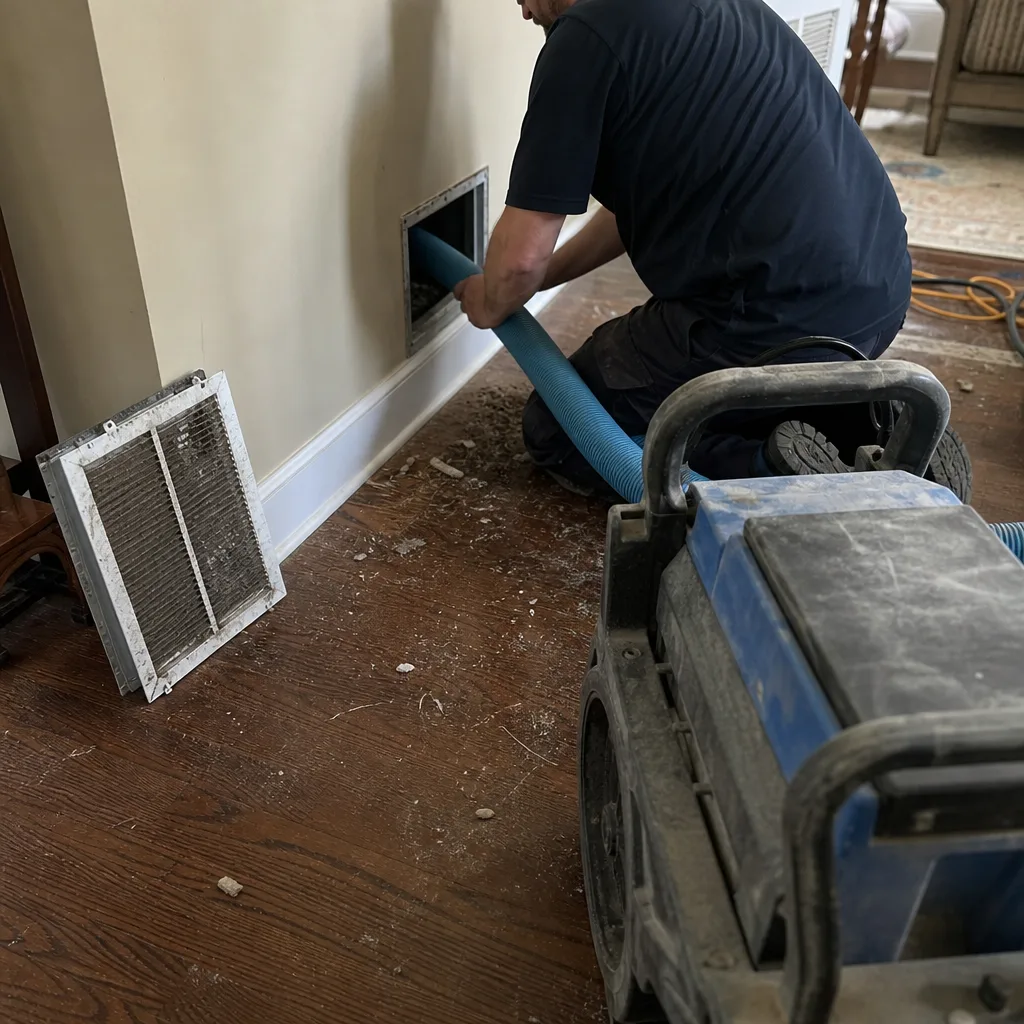
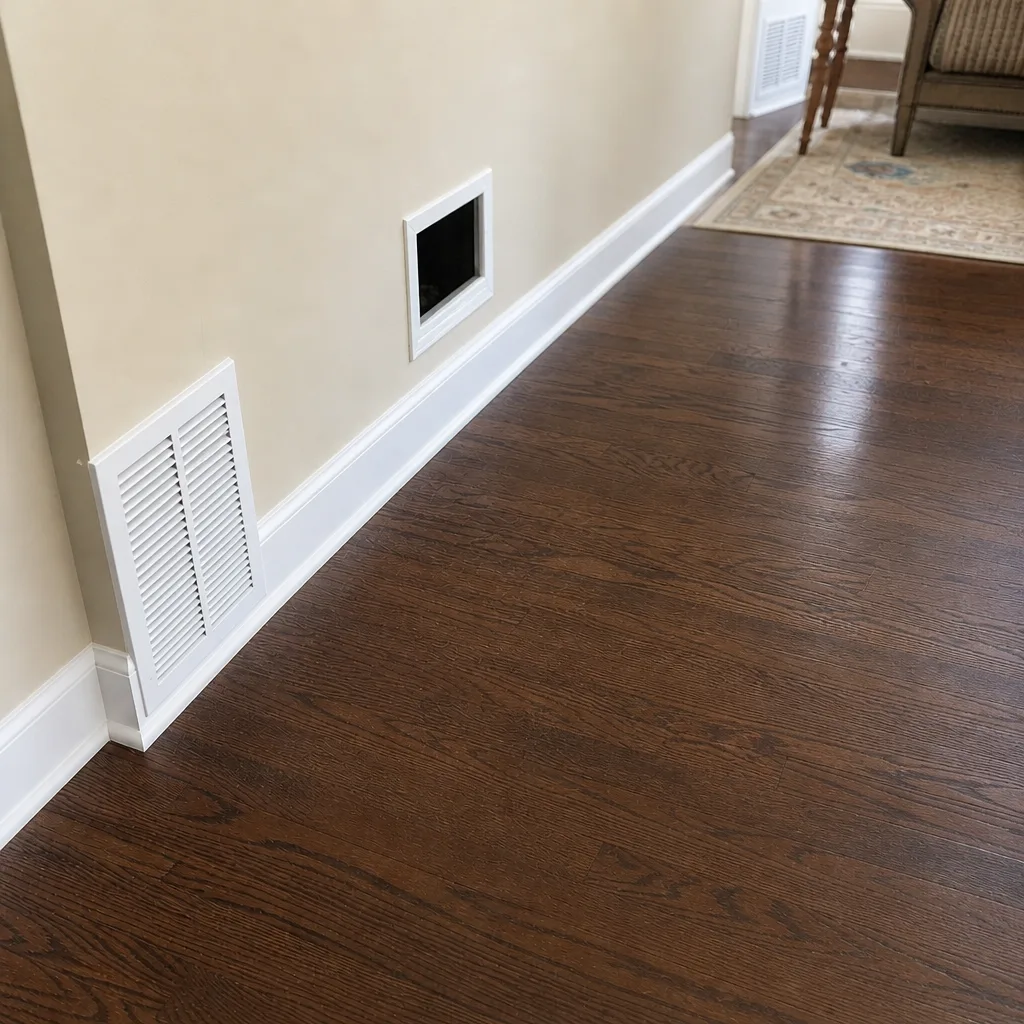
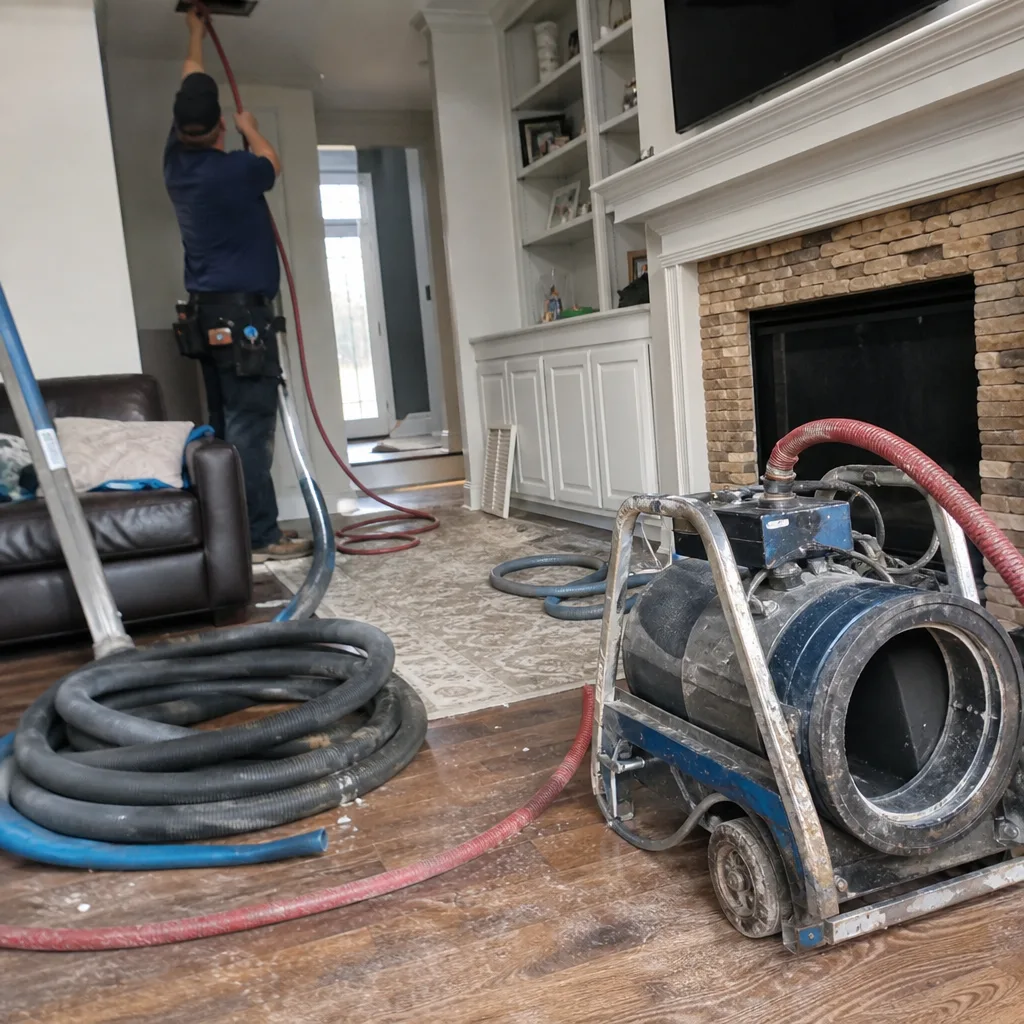
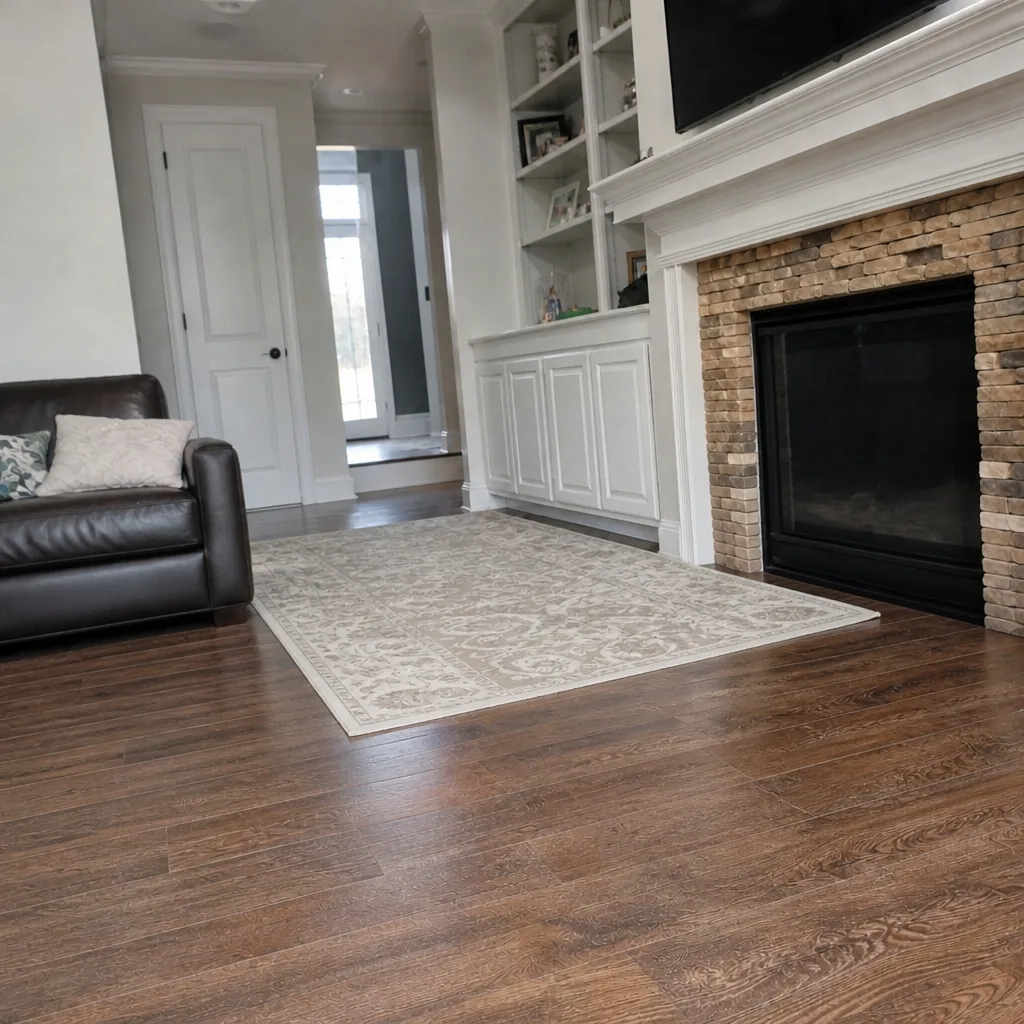
Whole-system duct and dryer vent check with before-and-after photos - you see exactly what came out of your vents
That "$99 whole-house special" is a bait ad - the real number appears once they are in your hallway, or the "clean" is a shop-vac at the register. We photograph the inside of your ducts before and after instead.
How to Hire an Air Duct Cleaning Contractor in Nashville: A Step-by-Step Guide
A $99 whole-house duct cleaning offer isn’t a deal. It’s a diagnostic. No contractor running professional vacuum equipment, providing proper contact time on every run, and paying a licensed technician can cover labor and overhead at that price point, and the number tells you something useful before anyone knocks on your door. This guide doesn’t rank contractors for you. It teaches you what to ask, what a legitimate quote looks like line by line, which red flags appear during the job itself, and how to verify the work once the van pulls away. If you’re hiring in Nashville, this is the conversation to have before you book.
Quick Answer
To hire an air duct cleaning contractor in Nashville, verify three things before you book: the equipment (a truck- or van-mounted vacuum with genuine negative pressure and mechanical contact tools, not just an air-wash nozzle), the scope (a written, line-itemed quote that names supply and return sides, register count, and blower compartment), and the credentials (NADCA membership, ACR standard compliance, and current insurance). Ask for before-and-after photos of your own system, not stock images. If any of those three answers wobble, keep calling. The cheapest quote in Nashville is usually the most expensive job.
Styles & brands we work with
- Whole-home duct cleaning
- Dryer vent cleaning
- Camera inspection
- Sanitizing & deodorizing
Table of Contents
- Why the Nashville Duct Cleaning Market Is Hard to Read
- What Equipment Should You Ask About?
- How to Read a Duct Cleaning Quote in Nashville
- NADCA, the ACR Standard, and What Tennessee Licensing Does and Doesn’t Cover
- Red Flags During the Job Itself
- What to Verify After the Job Is Complete
- When Ducts Need Repair, Not Just Cleaning
- Common Mistakes to Avoid
Why the Nashville Duct Cleaning Market Is Hard to Read
Nashville’s housing stock spans a wide range, and that range makes duct work inconsistent. Older homes in neighborhoods like East Nashville and Inglewood often have original sheet-metal trunks with flex branches added over the years, so a contractor may be working on three different duct generations in one attic. Newer construction out toward Nolensville and Mt. Juliet tends toward flex duct in tight chases, which changes how a technician approaches cleaning and how much time it takes per run. A quote built for one type of system doesn’t transfer to the other.
The other variable is demand. Nashville has grown quickly, and along with the growth came a burst of duct cleaning operators who saw a market they could enter cheaply. A shop vac, a ladder, and a printed flyer is a low barrier to entry. That’s not a knock on small businesses. It’s a fact about how to protect yourself: when the market is crowded with under-equipped operators, the only reliable filter is the questions you ask before booking.
The climate matters here too. Nashville summers run humid, and a duct system that hasn’t been sealed properly can pull that moisture into the airstream and create conditions where dust, debris, and organic material accumulate faster than in a drier climate. Homes with basement returns and crawlspace ductwork are especially prone to this. It’s a reason the return side and duct integrity deserve as much attention as the supply side, and it’s a reason a cleaning-only contractor may not be the right call.
- Mixed duct generations in older Nashville neighborhoods require different tooling per run.
- Humidity makes sealing and return-side attention more important than in dry markets.
- Low barrier to entry means a wide spread in equipment quality between quotes.
- Rapid growth means many contractors are newer to the market and fewer have deep accountability records.
What Equipment Should You Ask About?
Ask any contractor you’re considering two direct questions: what is the CFM rating on your vacuum, and does your process achieve true negative pressure on the system while cleaning? If those questions land awkwardly, that’s your answer. A legitimate whole-system cleaning requires a vacuum powerful enough to hold the entire duct network under negative pressure for the duration of the job, so dislodged debris travels toward the collection unit rather than back into your living space. Consumer-grade vacuums and shop vacs cannot do this, and neither can a contractor using a handheld machine with a hose through a window.
The second equipment question is whether they use contact cleaning tools or air-wash only. Air-wash uses compressed air to blow dust off surfaces. It looks impressive and takes very little time. Contact cleaning uses mechanical tools – rotary brushes, air whips, and cable-driven agitators – that physically reach the duct wall and loosen adhered debris before it’s pulled into the vacuum. Adhered debris is the problem. Loose dust is easy. The layer that’s bonded to the duct surface after years of humid Nashville summers is not. A contractor running air-wash only will pass your “before” test because the surface looks cleaner, but the bonded layer stays in place.
Ask specifically whether they carry a contact cleaning system. At Duct Cleaning Nashville, we run a Rotobrush contact cleaning system and Nikro HVAC cleaning tools, and we mention those names because they’re checkable. When a contractor can’t name their own equipment, that tells you whether the work is scheduled or improvised.
The equipment questions, in order:
- What is the CFM of your vacuum, and where does the exhaust go?
- Do you run negative pressure on the full system during cleaning, and how?
- What contact cleaning tools do you use, and on which parts of the system?
- Do you clean the blower compartment and both supply and return sides?
- Do you seal registers and diffusers before you start pulling?
- Will you photograph the duct interiors before and after?
Those six answers tell you more about a contractor than any review page. Any contractor worth booking has rehearsed those answers because they’re the standard. For a deeper look at what a full process involves, our air duct cleaning page walks through each stage.
How to Read a Duct Cleaning Quote in Nashville
The most common bait-and-switch in this trade doesn’t happen on the phone. It happens when the technician arrives and tells you the quoted price covered one system, but you have two, or that return-side cleaning wasn’t included, or that the vents you assumed were covered need an upcharge per register. The word doing all that damage is “comprehensive,” and any quote using it deserves skepticism. You want line items that constrain the scope in writing.
A legitimate quote names the number of registers and returns included, states whether the supply side, return side, blower compartment, and main trunk are each covered, and states the price for the whole system as a single agreed figure. It does not price per vent. It does not carry an “additional cleaning if needed” line that expands after arrival. It does not need a coupon to get you started. One flat price per system, agreed in writing before anyone opens the front door, is the correct structure.
Before you compare quotes, understand the two structural formats:
- Whole-system pricing – one figure for the entire duct system, with scope spelled out. Predictable. You know the final number before work starts.
- Per-vent pricing – a small headline number that only covers some of what needs doing. It’s the format that produces surprise invoices.
Signs a quote is written to allow scope contraction
Read the fine print for these phrases, and if you find them, ask for revision:
- “Up to N vents” – the count is capped, so your actual number will trigger an upcharge.
- “Standard cleaning” – undefined. Standard for whom?
- “Does not include returns” – returns are often the dirtiest side of the system.
- “Sanitizing not included” – fine, but if it’s needed later, that’s a sales conversation, not a scope fact.
- “Final price determined on site” – this is the flag that produces the invoice you didn’t expect.
- “Repairs quoted separately” – acceptable if the contractor can also do the repairs, but a cleaning-only shop will hand the problem to someone else.
If you want to see how a whole-system quote reads in practice, our Duct Cleaning Nashville page is the place to start.
NADCA, the ACR Standard, and What Tennessee Licensing Does and Doesn’t Cover
Ask about NADCA membership and ACR compliance before you ask about price. NADCA – the National Air Duct Cleaners Association – publishes the industry’s accepted standard for assessing and cleaning HVAC systems, and that standard is the ACR (Assessment, Cleaning, and Restoration) standard. A contractor who knows what you’re referring to and can tell you how their process follows it is signaling they’ve invested in the trade, not just in a website. Membership isn’t a government license, and it doesn’t guarantee quality. But the absence of it, in a market with this many operators, is a data point worth weighing.
Tennessee licensing is a separate question and worth understanding correctly. General contractor licensing in Tennessee is administered at the state level for certain scopes of work, and HVAC work (the mechanical system itself) falls under separate licensing rules from duct cleaning as a service. Local Nashville and Davidson County permit requirements apply to new duct installation and major alteration, not routine cleaning. The practical takeaway is this: a licensed HVAC contractor credential is meaningful for repairs and system work. Duct cleaning alone isn’t covered by a single state license, so a contractor using the word “licensed” without specifying what they’re licensed for is telling you something about their marketing, not their qualifications.
Ask three credential questions:
- Are you a NADCA member, and do you clean to the ACR standard?
- What specific license covers the scope of this job, and can you show proof of insurance?
- Who performs repairs if the inspection finds duct damage, and are they on your team or a third party?
The third question matters more than it might appear. A cleaning-only contractor can’t repair a duct, so the repair either gets handed off or doesn’t happen. Duct Cleaning Nashville offers duct repair alongside cleaning so a single call covers inspection, cleaning, and any damage found along the way.
Red Flags During the Job Itself
You don’t need to hover. But if you’re home during the work, a few observations tell you whether the process is legitimate. The first is whether the technician seals registers and diffusers before starting the vacuum. Left unsealed, the vacuum pulls air from your living space instead of the ducts, and the negative pressure the cleaning depends on doesn’t exist. The second is whether the return side gets the same attention as the supply side. Many contractors treat returns as an afterthought, despite the fact that return trunks in Nashville homes with basement returns often collect the heaviest debris.
The third is documentation. A legitimate contractor photographs duct interiors before cleaning and after, and shows you those photos. If you only see stock photos or no photos at all, the verification is missing. The fourth is whether the technician cleans the blower compartment. If they don’t, dust that settles on the blower wheel travels straight back into your airstream when the system starts up.
The fifth red flag is speed. A whole-system cleaning is thorough, not fast. A technician who’s done in forty-five minutes on a full house has either skipped steps or was running nothing more than a surface pass. Slowness isn’t the quality signal; scope is. But if the process is over before the run count suggests it should be, ask which runs were treated.
For homes with allergy, asthma, or respiratory sensitivities in the household, these red flags carry more weight. That’s where Abatement Technologies filtration equipment becomes relevant – it’s the same category of equipment used in professional mold remediation and construction cleanup, not just routine cleaning. If the home has had recent renovation dust or a moisture event, ask whether the contractor uses remediation-grade filtration. A consumer-grade vacuum running through the attic is not the answer.
What to Verify After the Job Is Complete
The job isn’t finished when the equipment leaves. It’s finished when you’ve verified three things: register cleanliness, blower compartment condition, and the written service report. Here’s what to check:
- Register cleanliness. Remove a few registers and look at the duct wall behind the boot. A surface pass leaves dust on the boot walls. A proper contact clean leaves them visibly clearer than the “before” photo showed.
- Blower compartment. Ask the technician to show you the blower compartment before they close it up, or photograph it before and after. The wheel should be free of the matted dust layer that constrains airflow.
- Before-and-after photos of your own system. Not stock photos. Not “representative photos.” Yours. Before-and-after photos of their own ducts is the standard you should demand.
- Written service report. The report should list the number of registers and returns cleaned, the sections of the system treated, any repairs found and whether they were completed or quoted, and the date of service. It’s your record if the system needs service again.
- Airflow feel. Check a few registers with a tissue or hand. A noticeable airflow improvement isn’t a guarantee of cleaning quality, but a system that feels the same (or worse) after cleaning is worth a call back.
- Duct integrity. If the inspection turned up disconnected joints or damaged flex runs, confirm what the repair quote covers before approving. Open joints waste the cleaning effort because new debris enters through the gap.
If you need to schedule a follow-up inspection or a repair, call (855) 473-8488 and we’ll quote it before scheduling. We answer 24/7. Fast dispatch from 7am to 7pm, Sunday through Friday.
When Ducts Need Repair, Not Just Cleaning
Most quotes in Nashville are for cleaning, but the more common problem in real homes is duct integrity. A flex duct with a disconnected joint leaks conditioned air into the attic or crawlspace and pulls unfiltered air into the airstream. A crushed flex run behind a stud bay restricts airflow to a room and can’t be fixed by cleaning. A sheet-metal trunk with loose tape seams will leak after cleaning just as it leaked before.
This is where a cleaning-only contractor runs out of answers. They’ll note the damage in a report and recommend you call an HVAC contractor. That’s a two-call, two-invoice, two-schedule process. A contractor that also repairs ducts can solve the problem in one visit, and it’s why we offer the repair service alongside cleaning.
Homes with a laundry appliance on a long duct run should also ask about dryer vent cleaning while a contractor is on site. Dryer vent lint accumulation is a fire risk in any home, and it’s the second most common source of housefires in the residential setting. Cleaning it is a standalone service and doesn’t require a full duct clean to justify. For homes in Nashville with a dryer vent run longer than about fifteen feet, or with more than two elbows, scheduling the vent clean alongside the duct work is efficient.
If the household includes anyone with respiratory sensitivity, or the home has had a renovation or moisture event, ask about filtration equipment on the cleaning job and about whole-home air quality upgrades after. We work with Honeywell, Aprilaire, and Guardsman systems, which means the duct work and the air quality equipment downstream of it can be coordinated. Our Nashville page covers the local service area in more detail.
Common Mistakes to Avoid
- Booking on price alone. The lowest quote in Nashville is often the one with the smallest scope and the largest post-arrival upcharge. Compare scope line by line, not just totals.
- Not asking about equipment by name. If a contractor can’t name the vacuum and the contact tools they use, the equipment is likely a shop vac and an air hose. Ask specifically.
- Accepting a per-vent quote. Per-vent pricing is the format that produces the “additional cleaning you actually need” conversation after the technician is inside. Ask for a whole-system price in writing before booking.
- Skipping the return side. Many Nashville homes have basement or crawlspace returns that hold the heaviest debris. Confirm the return side is included in the scope before you approve.
- Not checking blower compartment coverage. Dust on the blower wheel re-enters the airstream when the system runs. The compartment has to be part of the job.
- No before-and-after photos of your own system. Stock photos prove nothing. Photographs of your ducts before and after are the evidence that the work happened.
- Hiring a cleaning-only contractor when repair is likely. If the inspection turns up a disconnected joint or crushed run, a cleaning-only shop hands you off to another contractor. Ask about repair capability upfront.
See the difference
 Before
 After
 Before
 After
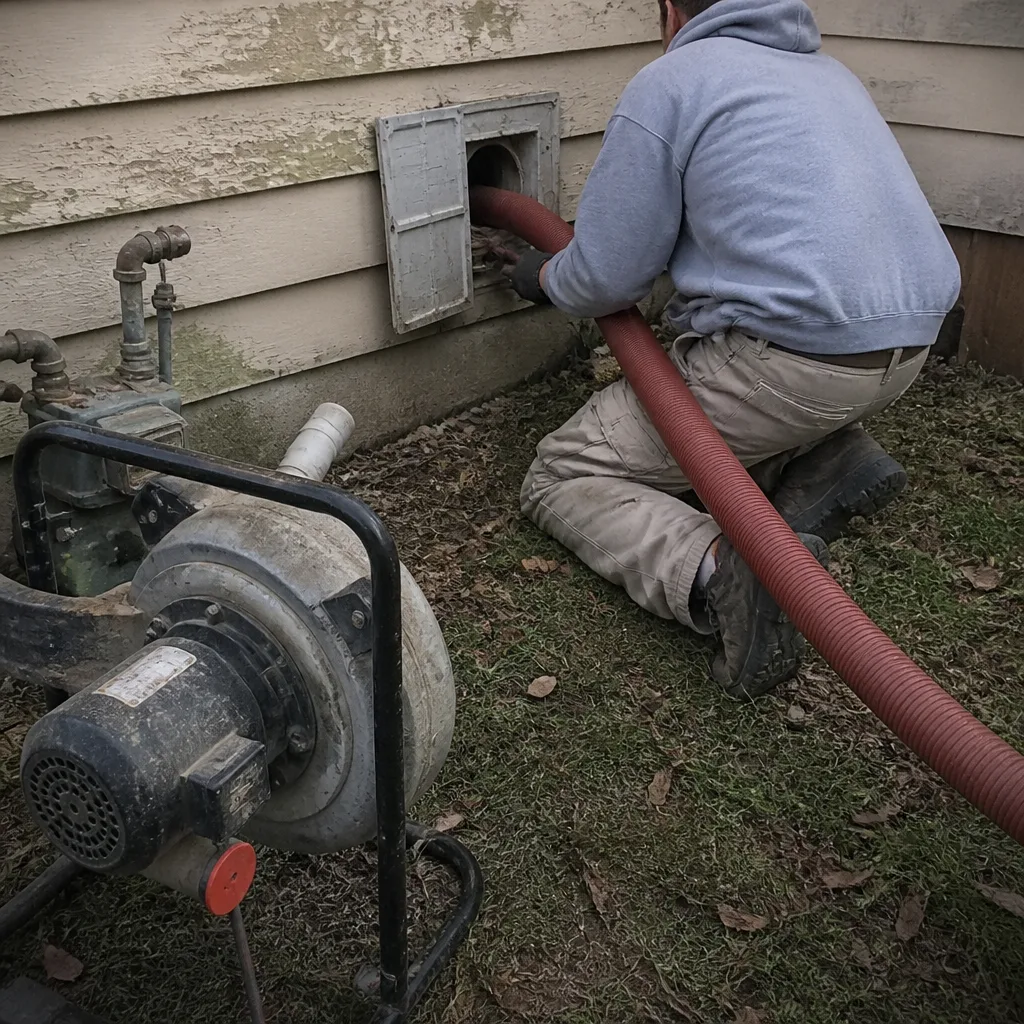 Before
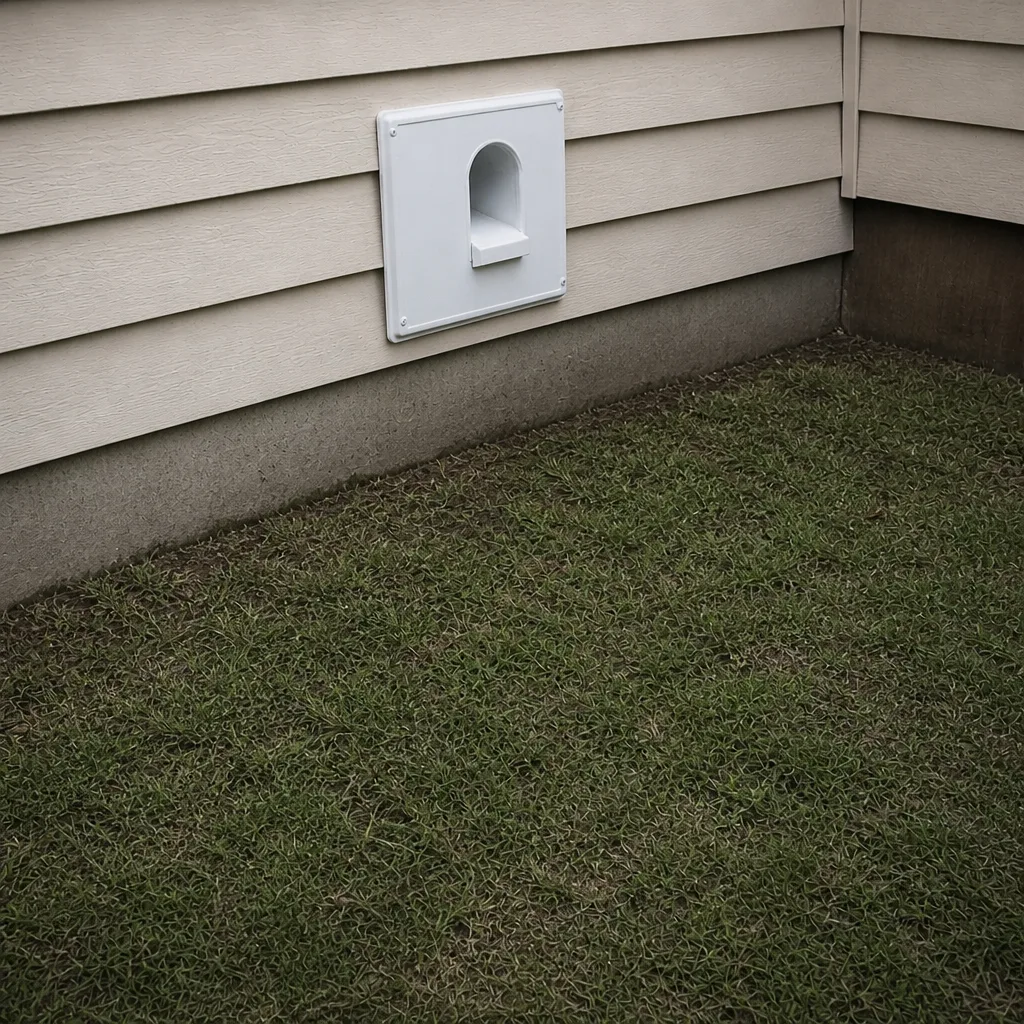 After
When to Call a Professional
Call a professional duct cleaning contractor when you notice visible dust discharge from the registers after the HVAC system starts, a musty smell when the heat or AC first runs, or a noticeable increase in allergy symptoms inside the home during the cooling season. If anyone in the household has asthma or respiratory sensitivity, don’t wait for symptoms – have the system inspected. If the home has had recent construction dust, a moisture event, or a new HVAC installation, the ducts should be inspected and probably cleaned. If the dryer takes noticeably longer to dry a load than it used to, schedule a vent cleaning on its own. And if the ducts haven’t been professionally cleaned and you can’t say when they last were, an inspection with photos is the right first step. Duct Cleaning Nashville offers free estimates in Nashville – call (855) 473-8488. We answer 24/7, with fast dispatch from 7am to 7pm, Sunday through Friday.
Frequently Asked Questions
Whole-system air duct cleaning in Nashville typically falls in the range of a few hundred dollars for a standard single-system home, with larger homes, multiple HVAC systems, or systems that include significant return-side or trunk cleaning priced above that. Air duct repair, when needed, is quoted separately based on the damage found. The written estimate sets the final price, one flat price per system, agreed before work starts. Call (855) 473-8488 for an exact quote – estimates are free.
Because the scope is smaller, the equipment is consumer-grade, or the price is a teaser that expands on site. A contractor quoting a small headline number is typically running a shop vac, skipping the return side, using air-wash only, or charging per vent above the number covered. No legitimate operator can run professional vacuum equipment, contact tools, and a licensed technician for a price that doesn’t cover the cost of doing the work. If a quote is dramatically below the rest, the difference is in what’s not included. Call us for a comparison quote – (855) 473-8488, estimates are free.
Ask for before-and-after photos of your own ducts, inspect a few registers yourself, and confirm the blower compartment was cleaned. A legitimate contractor documents the job because the documentation is what proves the work. If you don’t see photos and a written service report at the end of the visit, ask for both before you pay. Call (855) 473-8488 with any questions about the report – estimates are free.
Most homes in Nashville don’t have a fixed interval; the right answer depends on what’s in the ducts. Homes with pets, recent renovation, visible dust discharge, or moisture events need cleaning more often than homes without those factors. A practical approach is to inspect the system when you notice a change in airflow, odor, or allergy symptoms, and clean when the inspection shows it’s needed. Call (855) 473-8488 to schedule an inspection – estimates are free.
Usually not for routine cleaning. Insurance typically covers sudden, accidental damage – a water loss, storm intrusion, or a similar event that creates contamination – and often covers a portion of remediation work under those circumstances. Routine maintenance cleaning is generally the homeowner’s responsibility. Check your policy; if the cleaning is tied to a covered event, ask your insurer directly. We can work with your insurer on documented scope. Call (855) 473-8488 for an estimate.
It can help, especially when the cleaning is thorough and includes the return side and blower compartment. The debris that accumulates in ducts – dust, pollen, pet dander, and sometimes organic material given Nashville’s humid summers – reaches the airstream every time the system runs. Removing it, plus repairing any duct leaks that pull in unfiltered attic or crawlspace air, reduces what you’re breathing. If you have respiratory sensitivity, ask about remediation-grade filtration during the cleaning. Call (855) 473-8488 to discuss your situation – estimates are free.
The Bottom Line
Hiring a duct cleaning contractor in Nashville comes down to three filters applied before you book: verify the equipment (professional vacuum with real negative pressure and contact tools, not air-wash only), verify the scope (line-item written quote, whole-system pricing, both supply and return sides, blower compartment included), and verify the credentials (NADCA membership, ACR compliance, current insurance, and repair capability if the inspection finds damage). After the job, inspect a few registers, check the blower compartment, and confirm before-and-after photos of your own ducts plus a written service report. The lowest quote is rarely the best value in a market this crowded. The correct question isn’t who’s cheapest – it’s who can tell you exactly what they’ll do, with what equipment, and show you when they’re done.
Duct Cleaning Nashville offers three services under one call: air duct cleaning, dryer vent cleaning, and air duct repair. Professional-grade equipment on every job – Rotobrush contact cleaning, Nikro HVAC tools, and Abatement Technologies filtration. One flat price per system, agreed before work starts, with before-and-after photos of your own ducts. Our technicians have up to 9 years of experience. If you’re ready to schedule, call (855) 473-8488 for a free estimate. We answer 24/7, with fast dispatch from 7am to 7pm, Sunday through Friday.
Written by the team at Duct Cleaning Nashville.