
Last updated November 15, 2026
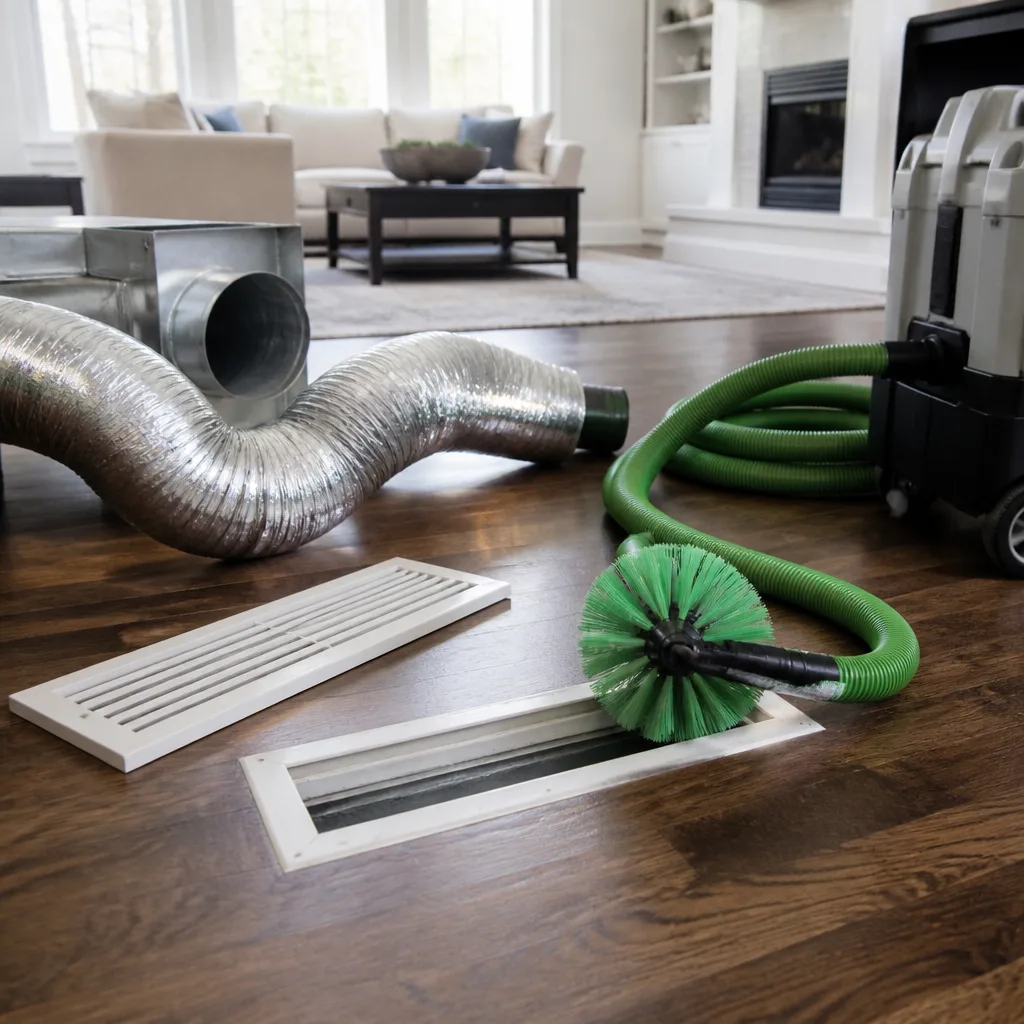 Whole-home duct cleaning
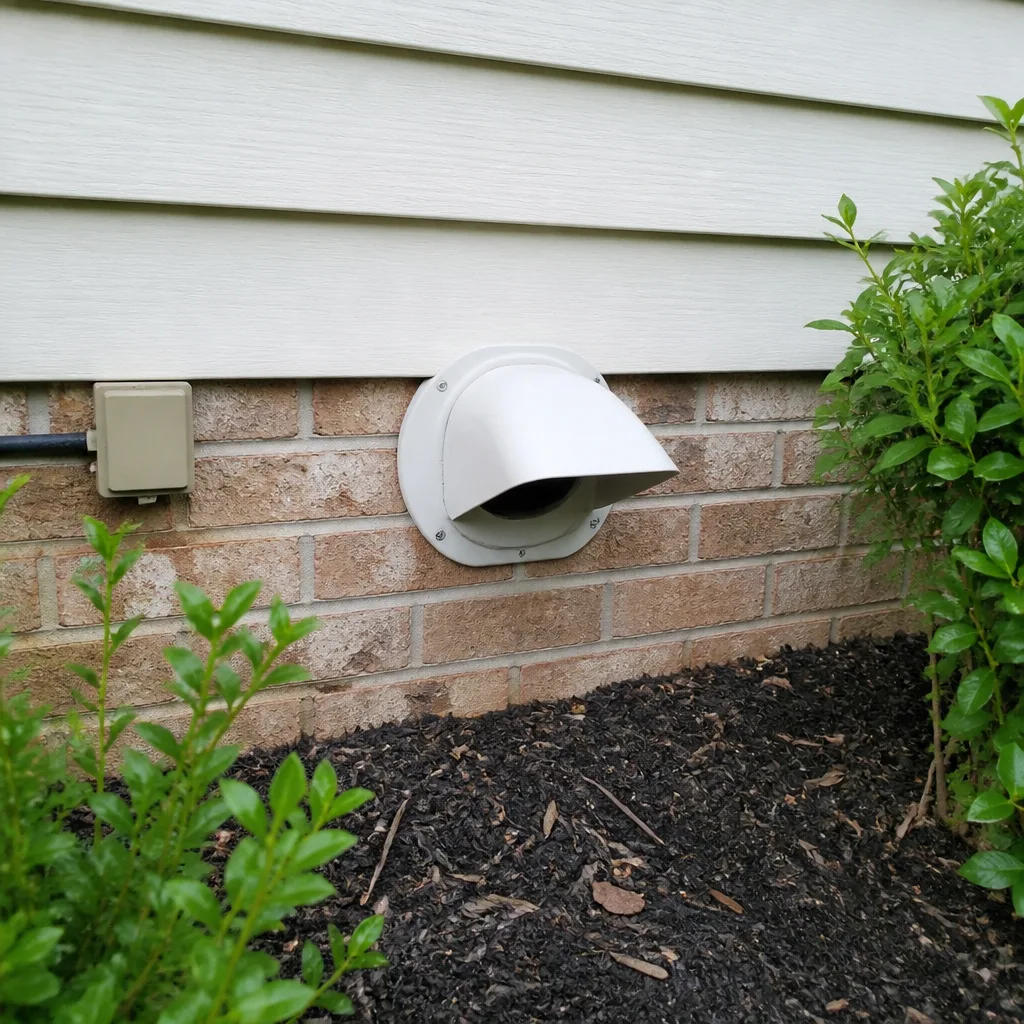 Dryer vent cleaning
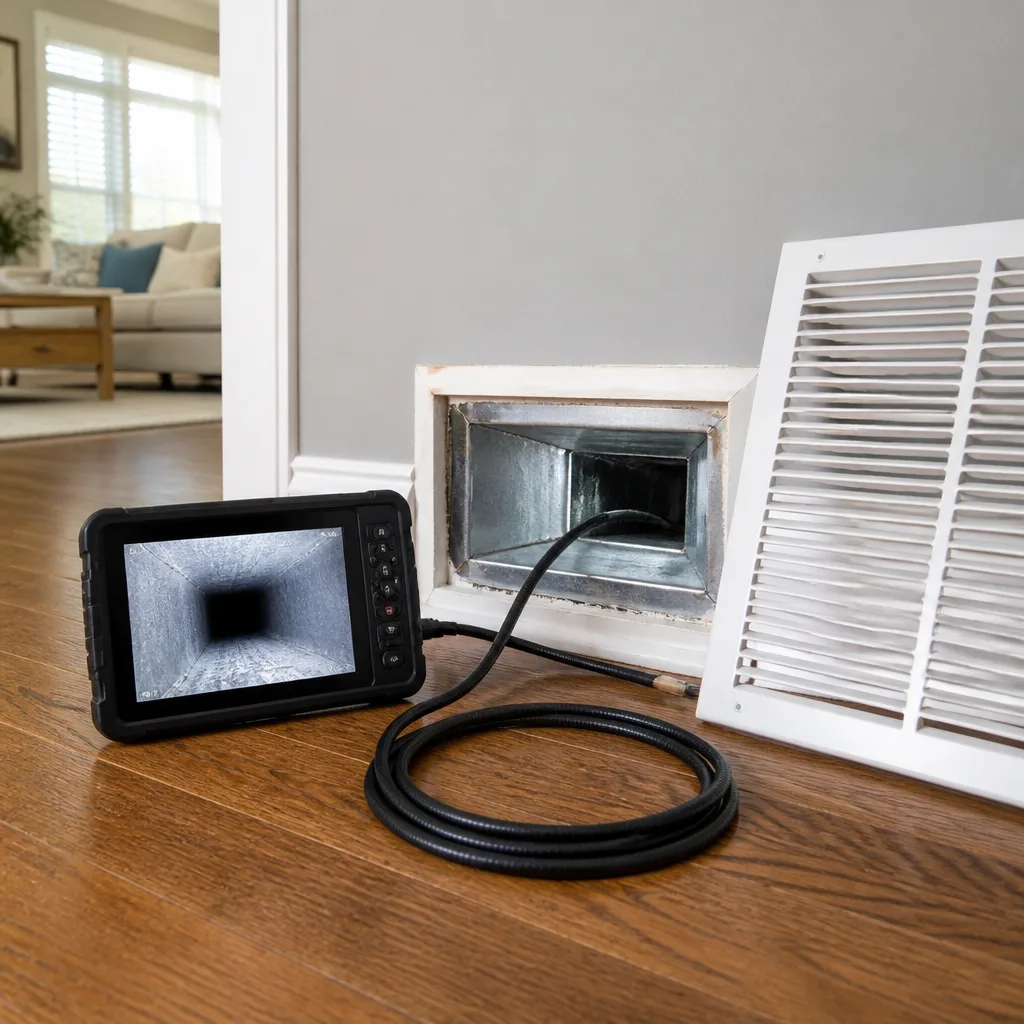 Camera inspection
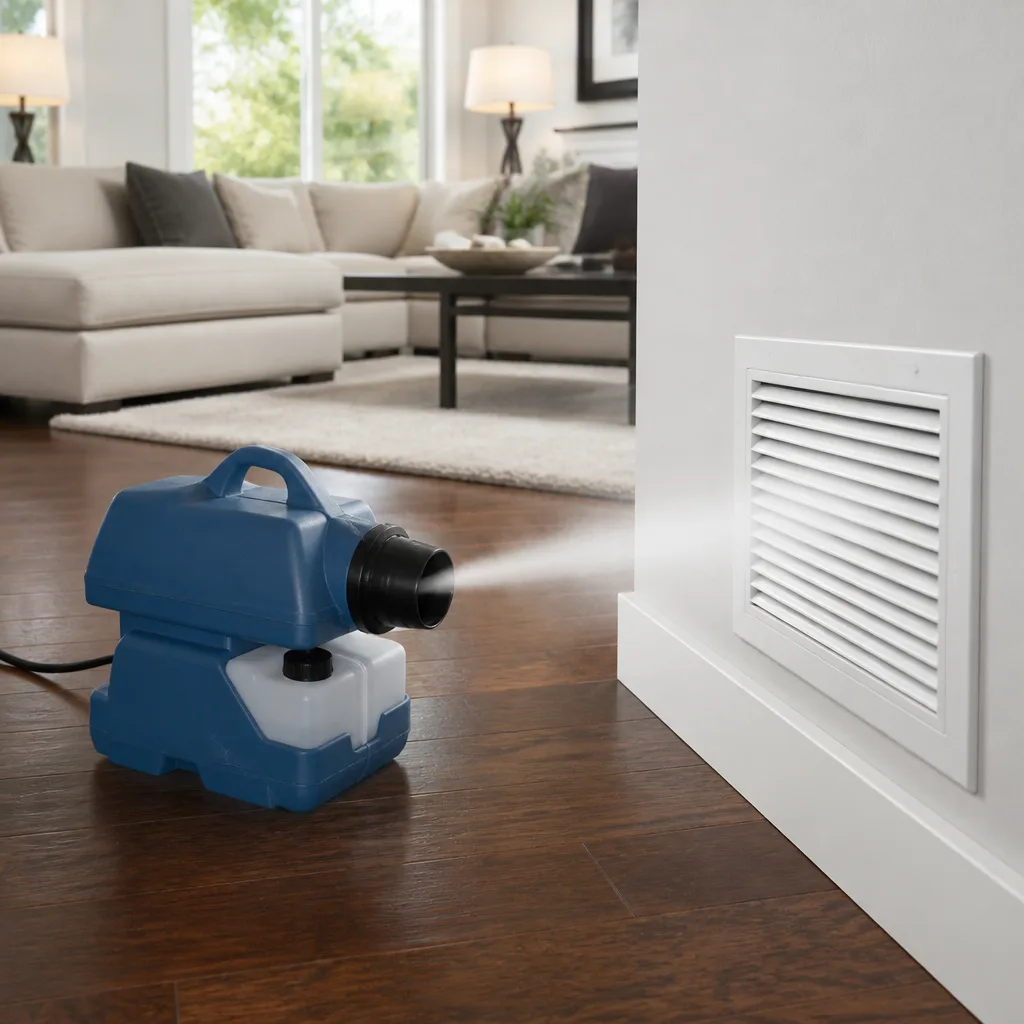 Sanitizing & deodorizing
Whole-system duct and dryer vent check with before-and-after photos - you see exactly what came out of your vents
That "$99 whole-house special" is a bait ad - the real number appears once they are in your hallway, or the "clean" is a shop-vac at the register. We photograph the inside of your ducts before and after instead.
Air Duct Cleaning Emergency Preparedness Guide for Nashville Homes
Most emergency preparedness guides tell you to stock water, charge your phone, and photograph the damage. Almost none of them mention the HVAC system, which is the one part of your house that can take a hit from a storm and then quietly spread the damage through every room. After the 2020 tornado outbreak, homes with only minor structural damage ran their systems before anyone looked inside the ducts, and debris, insulation particulate, and exterior biological material moved through living spaces for weeks. What follows is how to keep that from happening to you: pre-storm checks, the shutdown indicators that matter, what water does to ductwork, and how to document everything for your insurer.
Quick Answer
Air duct cleaning after a storm in Nashville is mostly about timing and documentation, not the cleaning itself. If your home took wind, water, or debris damage, shut the HVAC system off before you run it again, have the ductwork inspected for water and structural damage, photograph everything before anyone touches it, and only then schedule cleaning with a contractor who can also repair what the storm bent or soaked. The cleaning matters less than the order you do these things in.
Styles & brands we work with
- Whole-home duct cleaning
- Dryer vent cleaning
- Camera inspection
- Sanitizing & deodorizing
Table of Contents
- When Storm Damage Means Shutting Down Your HVAC
- What Water Intrusion Does Inside Your Ducts
- Documenting Duct Condition for Insurance
- Before Storm Season: A Duct Preparedness Checklist
- Managing Your Ducts During High-Particulate Events
- Vetting Emergency Duct Contractors After a Nashville Storm
- Repair or Clean? Knowing Which Your System Needs
- Common Mistakes to Avoid
When Storm Damage Means Shutting Down Your HVAC
Shut the system off if any of the following are true after a storm: standing water is visible anywhere in the crawlspace or basement, you can see a duct run that has been crushed, torn, or disconnected, roof or soffit damage let rain into the attic where ducts run, or you smell something musty or chemical coming from the vents. Those are not “wait and see” situations. Each one means the system could pull contaminants from an affected area and push them into rooms that are otherwise clean.
Here is the sequence we walk homeowners through when a storm has passed and the damage looks minor:
- Turn the thermostat to OFF, not AUTO and not HEAT or COOL. AUTO can trigger the blower on a schedule regardless of temperature.
- At the air handler, switch off the breaker or pull the disconnect so the blower can’t start. If you don’t know where that breaker is, that’s a good thing to locate before storm season, not after.
- Note the day and time you shut the system down. Insurers and inspectors ask.
- Photograph the return and supply vents, the air handler, and any visible ductwork in the attic or crawlspace before you clean anything up.
- Leave the system off until the ductwork has been inspected. A clean filter does not protect a torn duct run.
- Call your insurer and log a claim reference number.
- Schedule a duct inspection before you schedule any repair, and ask for photos of what the inspector finds.
Nashville sits in a part of Middle Tennessee where tornado warnings, flash flooding, and ice storms all land within the same calendar year. The 2020 tornado outbreak is the one most residents still reference, but ice storms do a different kind of damage: limb damage to roofs, ice damming that finds its way into attics, and freeze cycles that crack flex duct connections. In a city where crawlspace construction is common, that matters, and we’ll get to why in the next section.
What Water Intrusion Does Inside Your Ducts
Flooded crawlspace, soaked attic insulation, or a roof leak that runs down a duct run: in all three cases the ductwork has probably absorbed water, and absorbed water is a different problem than surface dirt. Flex duct has an inner liner, an insulation layer, and an outer jacket. Once water gets into that insulation layer, it stays, and the liner becomes a surface where mold can grow. Fiberglass duct board behaves similarly. Metal duct can survive a soaking if it is dried completely and quickly, but the insulation wrapped around it usually can’t.
This is why a flooded crawlspace almost always means duct remediation rather than a standard cleaning. Cleaning removes debris from a dry system. Remediation means removing or restoring water-damaged components, addressing biological growth, and verifying the system is dry before it goes back into service.
- Signs water reached your ductwork: water stains on the outer jacket, sagging flex runs, a crawlspace that stayed damp for more than a day or two, musty odor at the supply registers, or visible condensation on duct surfaces.
- What usually can’t be saved: saturated flex duct, waterlogged duct board, insulation that has been wet and left wet.
- What sometimes can: metal trunk lines and rigid duct that are dried promptly and inspected for surface growth.
We use Abatement Technologies filtration equipment on jobs where water or biological contamination is part of the picture, because that equipment is built for containment and filtration rather than simple debris removal. It’s the same category of gear used in professional mold and construction remediation, and it’s the right tool when the question isn’t just “is it dirty” but “is it contaminated.” Don’t restart a system that took on water until it has been inspected. Running it moves spores through the house and makes the problem harder to solve later.
Documenting Duct Condition for Insurance
Documentation is where most Nashville homeowners leave money on the table after a storm. Insurers need evidence that the duct contamination is storm-related, and that evidence is easiest to capture in the first few days, before cleanup and before any contractor touches the system. Get it early, get it thorough, and keep it in one folder.
- Photograph each vent and register with a ruler or coin in frame for scale. Timestamped photos work best.
- Photograph the air handler, the filter, and the filter slot. If the filter is wet, photograph it wet before you replace it.
- Photograph visible ductwork in the attic and crawlspace, particularly any run that is torn, disconnected, crushed, or water-stained.
- Keep a written log: storm date, when you shut the system down, when you called your insurer, and when each photo was taken.
- Get any water or debris removal documented by whoever did the work, with a receipt.
- Ask for a written duct inspection report that identifies each affected run and states whether it can be cleaned or needs replacement.
What insurers typically cover in Tennessee for storm-related duct contamination depends on your policy and the cause of loss: wind-driven rain intrusion, falling limbs, flood, or something else. Flood damage in particular is handled separately from wind damage under most policies, so the cause matters as much as the damage. We’re not insurers and we won’t tell you what your policy says. What we can do is give you a clear written record of the duct system’s condition with before-and-after photos, because that’s the paperwork adjusters ask for. Once you have that report, your adjuster can tell you what’s covered.
Before Storm Season: A Duct Preparedness Checklist
Preparedness for ducts comes down to three things you can do before the first warning siren: seal what’s leaking, manage the crawlspace, and know your filter protocol. None of it is expensive or complicated, and all of it makes the post-storm process faster.
Duct sealing inspection. Walk your attic and crawlspace with a flashlight and look at every duct joint and connection. You’re looking for separated joints, tape that has dried and peeled, and flex runs that have come loose from their collars. Loose connections leak air year-round, but in a storm they let water and debris in. Have them sealed before storm season, and check them again after any high-wind event. An air duct cleaning visit is a reasonable time to ask for a joint inspection at the same time.
Crawlspace vent management. Nashville’s humidity is the issue here. A crawlspace that stays damp for weeks is a crawlspace that can transfer moisture to ductwork running through it. Know which vents are open, keep the ground covered with a vapor barrier if it isn’t already, and after a storm close the vents before you run the system again. If water stood in the crawlspace, treat the ductwork as water-damaged until proven otherwise.
Filter protocol. Keep two spare filters on hand and know the correct size. After any high-particulate event, check the filter within a day and change it if it’s loaded. During a smoke or dust event, a mid-efficiency filter changed more often does more for your air than an expensive filter left in place too long. If you have allergy or asthma concerns in the household, that’s when a whole-home filtration conversation is worth having, and it’s why we work with systems from Honeywell and Aprilaire.
Managing Your Ducts During High-Particulate Events
Wildfire smoke from burns elsewhere in the state, construction dust from a neighbor’s renovation, and the fine grit that comes with post-storm cleanup all put particulate into the air, and a leaky duct system pulls it in. The moves are simple. Keep windows closed while particulate levels are high, run the system on FAN rather than AUTO during the worst of it so filtration is continuous, and change the filter more often than usual for the duration. Then get the ducts cleaned once the event is over, not necessarily in the middle of it.
Construction zones deserve their own note because they produce a distinct problem: drywall dust and silica fines that settle into ductwork and then get stirred up every time the blower runs. If you’re renovating, seal off the returns in the work area and talk to your contractor about dust control before demo starts, not after. Post-construction duct cleaning is a different job from routine cleaning, and it’s one where the equipment matters. We use the Rotobrush contact-cleaning system and Nikro HVAC cleaning tools on every job, along with negative-pressure containment so the debris goes into the machine and not into your living room. You can read more about how the process works on our duct cleaning Nashville page.
Vetting Emergency Duct Contractors After a Nashville Storm
Price gouging after a major storm is real, and it’s usually not the obvious kind. It’s a low headline number that becomes a much larger invoice once the technician is on site and has already pulled equipment out. You need a shortcut for fast vetting that doesn’t require an hour of research while your house smells like a wet crawlspace.
- Demand a written, whole-system price before work starts. Not per vent, not per room, not “starting at.” One flat price per system, agreed in writing, before the machine comes in.
- Ask what equipment they use. Professional-grade names you can verify (Rotobrush, Nikro, Abatement Technologies) tell you the outfit invested in the work. A shop vac and a promise is not the same service.
- Ask whether they repair ductwork in-house. After a storm, cleaning is only half the job. If a contractor cleans and then hands you a list of repairs to farm out elsewhere, you’ve got two contractors and one accountability gap.
- Ask for before-and-after photos of your own ducts as part of the job. Any contractor who won’t show you what they removed is asking you to take it on faith.
- Beware the door-knock after the storm. Legitimate work doesn’t require a same-hour signature. A short delay to check a written estimate costs nothing.
- Confirm the price doesn’t move after the technician arrives. Get it in writing that the estimate is the price unless you approve a change.
None of that requires a background check or a research session. It’s five minutes of questions, and a straight operator answers them without hesitation. For dryer vents, which are a separate fire risk and worth handling while you’ve got a contractor out, our dryer vent cleaning page covers the process.
Repair or Clean? Knowing Which Your System Needs
After a storm, the honest answer is often “both,” but in a specific order: inspect, repair what’s broken, then clean. Cleaning a torn duct run just coats the inside of the tear, and it doesn’t fix the air loss or the pathway for outside contaminants. Air duct repair is a distinct service from cleaning, and it’s the one most duct cleaners don’t offer. If your system has a crush point in a flex run, a disconnected joint at a collar, or a section that took on water and needs replacing, cleaning first and repairing later means doing the job twice.
What a general inspection covers:
- Every visible run in the attic and crawlspace, checked for crushing, sagging, disconnection, and water staining
- Joints and connections, checked for tape failure and separation
- The air handler and filter slot, checked for water intrusion and biological growth
- The return side, which is the most common place for leaks that pull in attic or crawlspace air
- Dryer vent routing, if the vent runs through an attic or wall cavity that saw storm damage
If you’re not sure which service you need, describe what you’re seeing and we’ll tell you what an inspection would look at. Our technicians have up to 9 years of experience on systems in this market, and after a storm the inspection list above is what they walk through. If you’re in a neighborhood that flooded, like parts of Donelson or the areas near the Cumberland, we look at water intrusion first and cleaning second, because that’s the order that holds up.
Common Mistakes to Avoid
- Running the system to “see if it still works.” That first test run is how debris from a damaged duct run ends up coating every surface in the house. Turn it off, inspect first, then run it.
- Replacing the filter and considering the problem solved. A fresh filter doesn’t fix a torn flex run or water-logged insulation behind it. The filter catches what reaches it, and a disconnected duct bypasses it entirely.
- Cleaning before clearing debris from the yard and roofline. Another wind event, or the cleanup crew’s leaf blower, puts particulate right back into a return. Get the exterior debris handled first.
- Not photographing before cleanup. Insurance claims get harder to support once the wet insulation is in a bag on the curb. Photos first, cleanup second.
- Accepting a per-vent price after a storm. Per-vent pricing is how a quote balloons; a whole-system flat price and before-and-after photos is the standard to hold out for.
- Skipping the crawlspace. In Nashville’s older neighborhoods, especially around East Nashville, crawlspaces are where storm water and ductwork spend the most time together, and it’s the part homeowners forget to check.
- Hiring the first contractor with a magnet on a truck. A written whole-system estimate, a name for the equipment, and a yes-or-no on whether they repair ducts will tell you more than any advertising.
See the difference
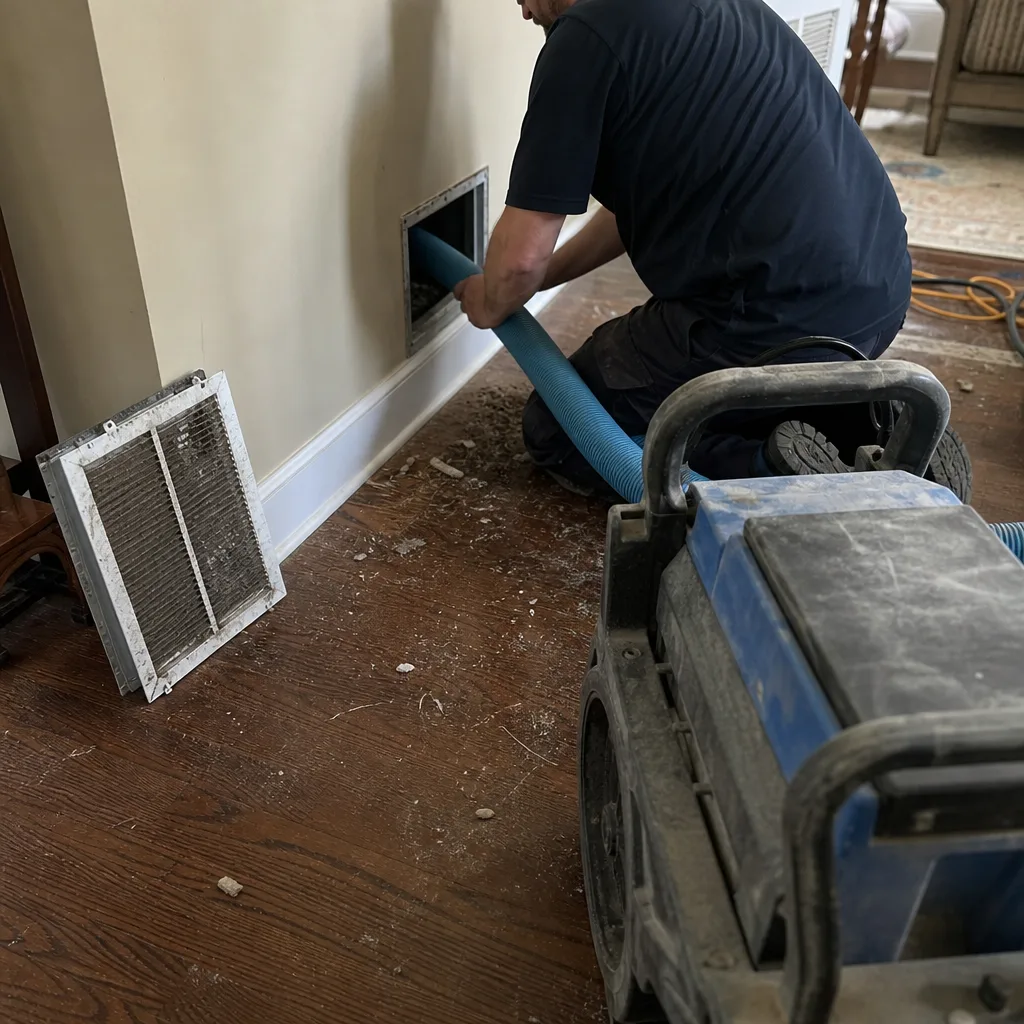 Before
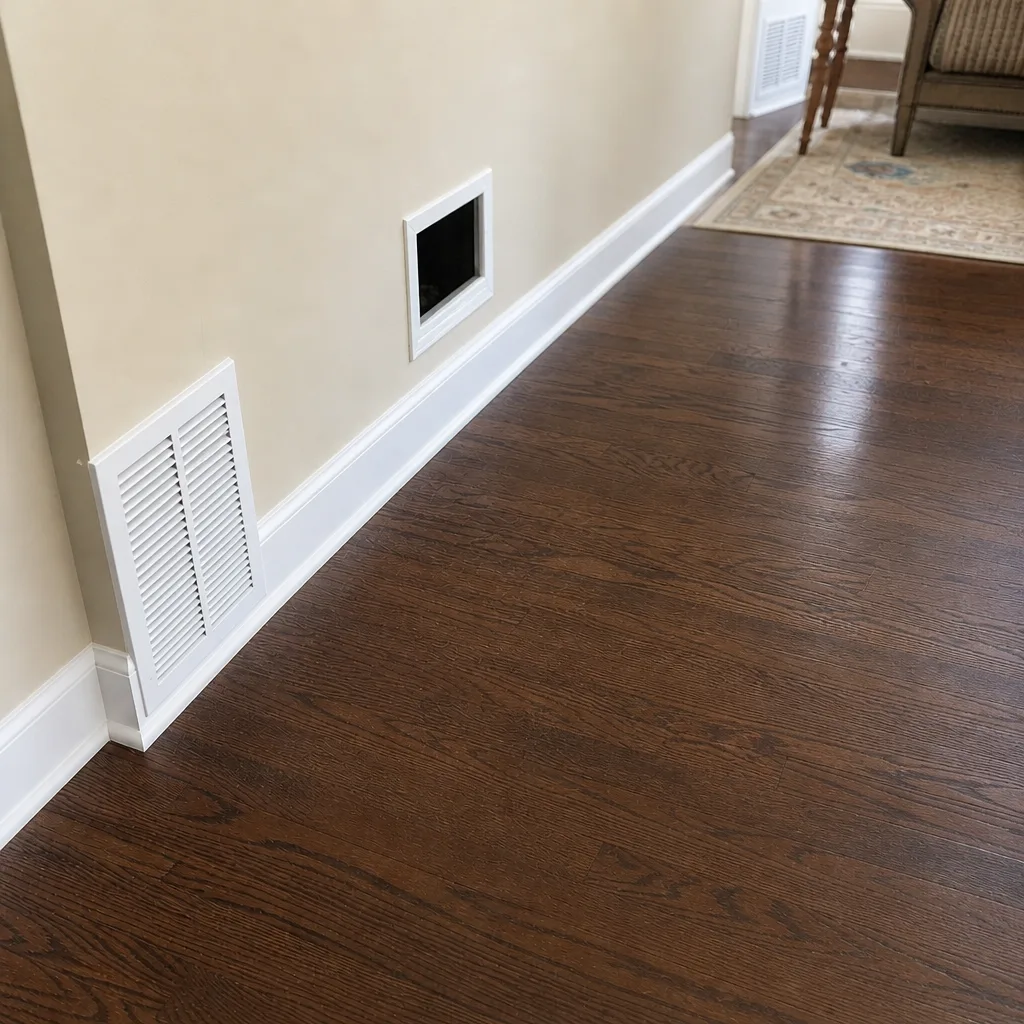 After
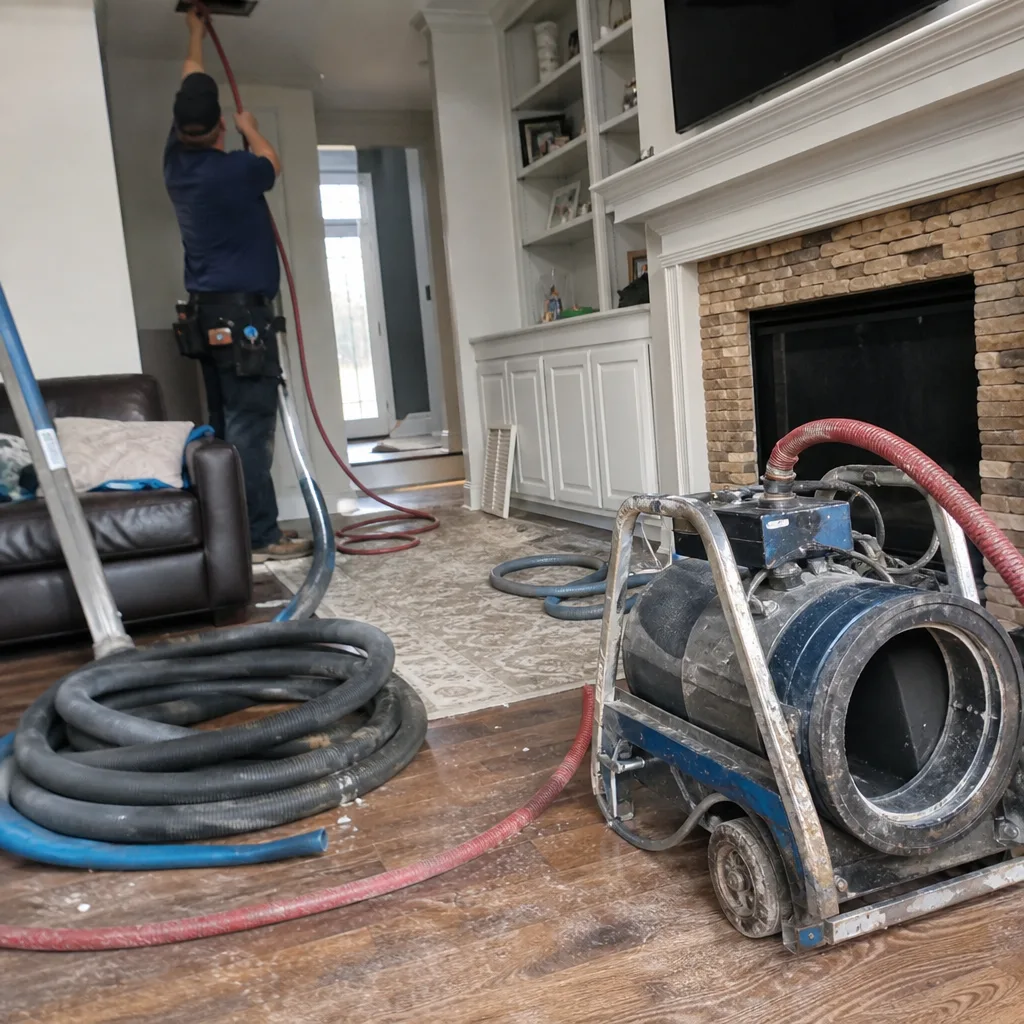 Before
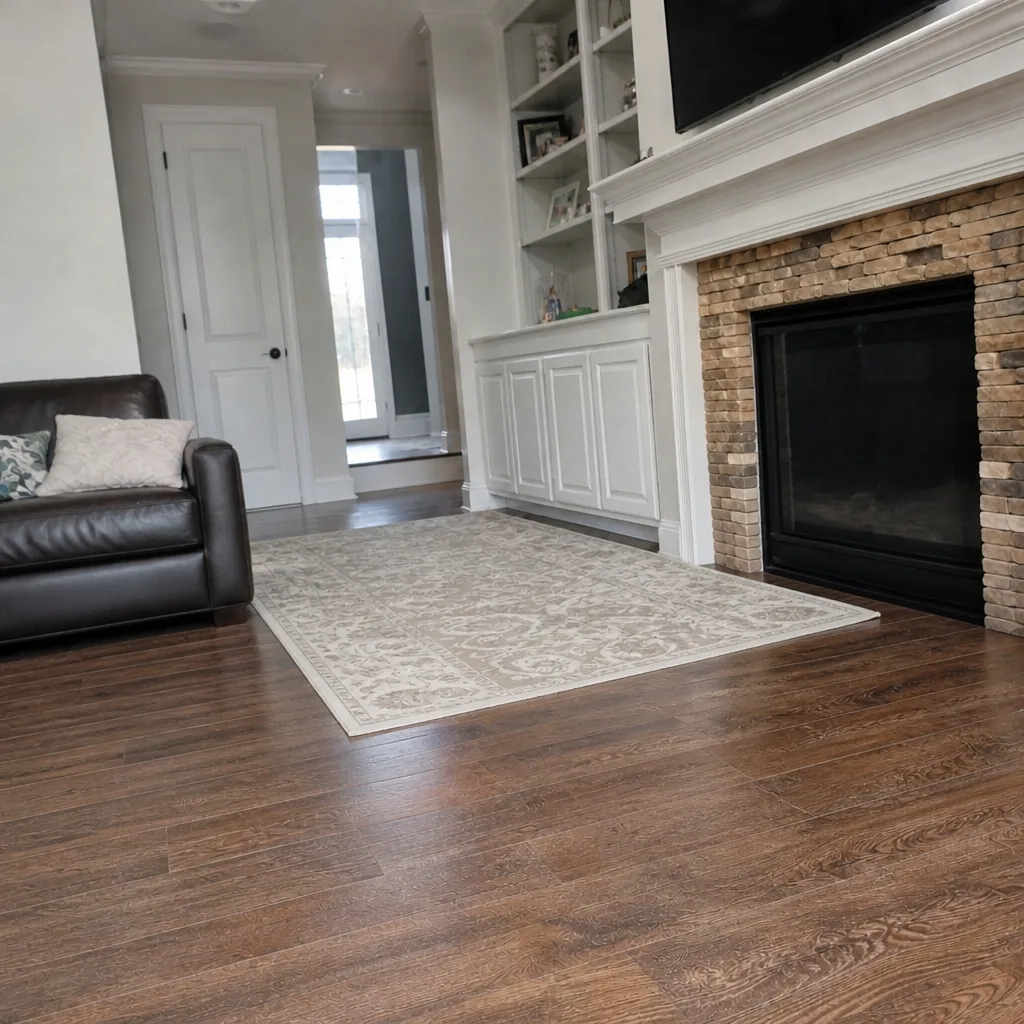 After
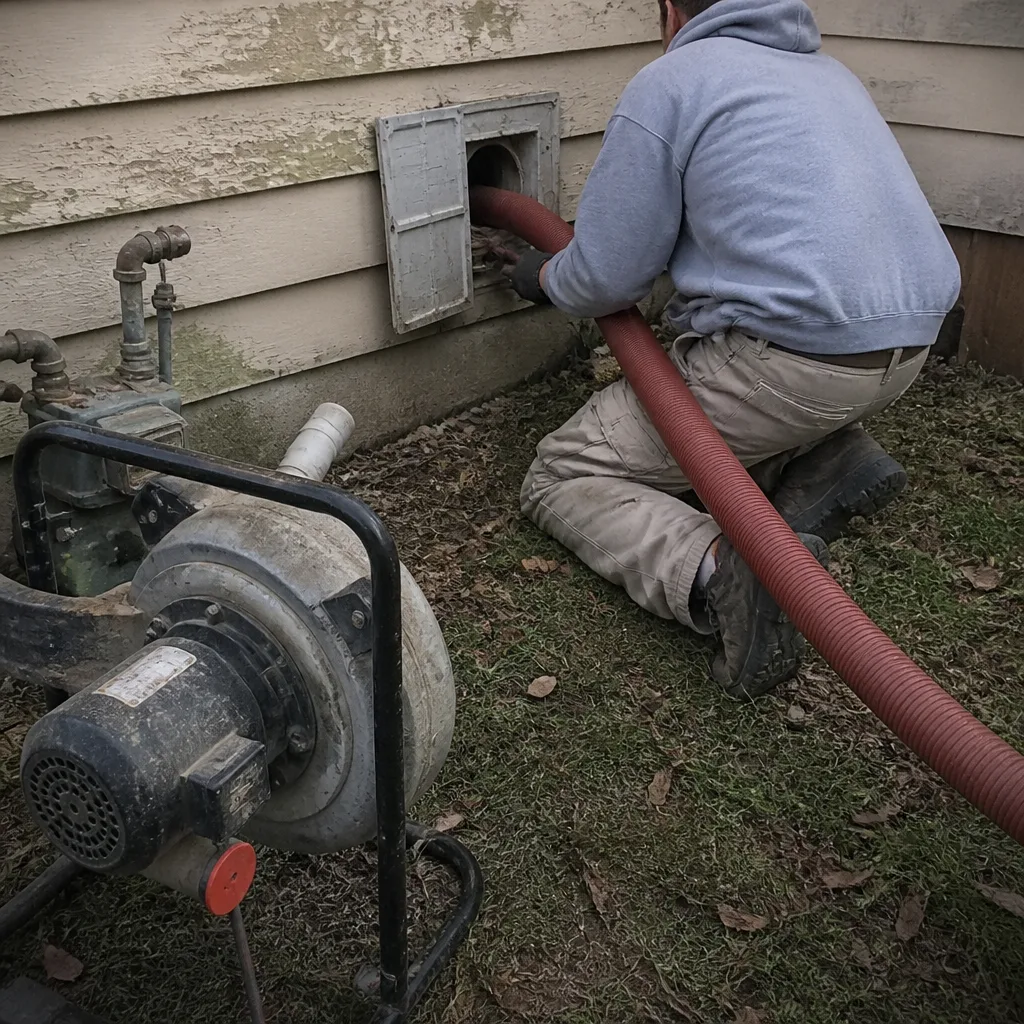 Before
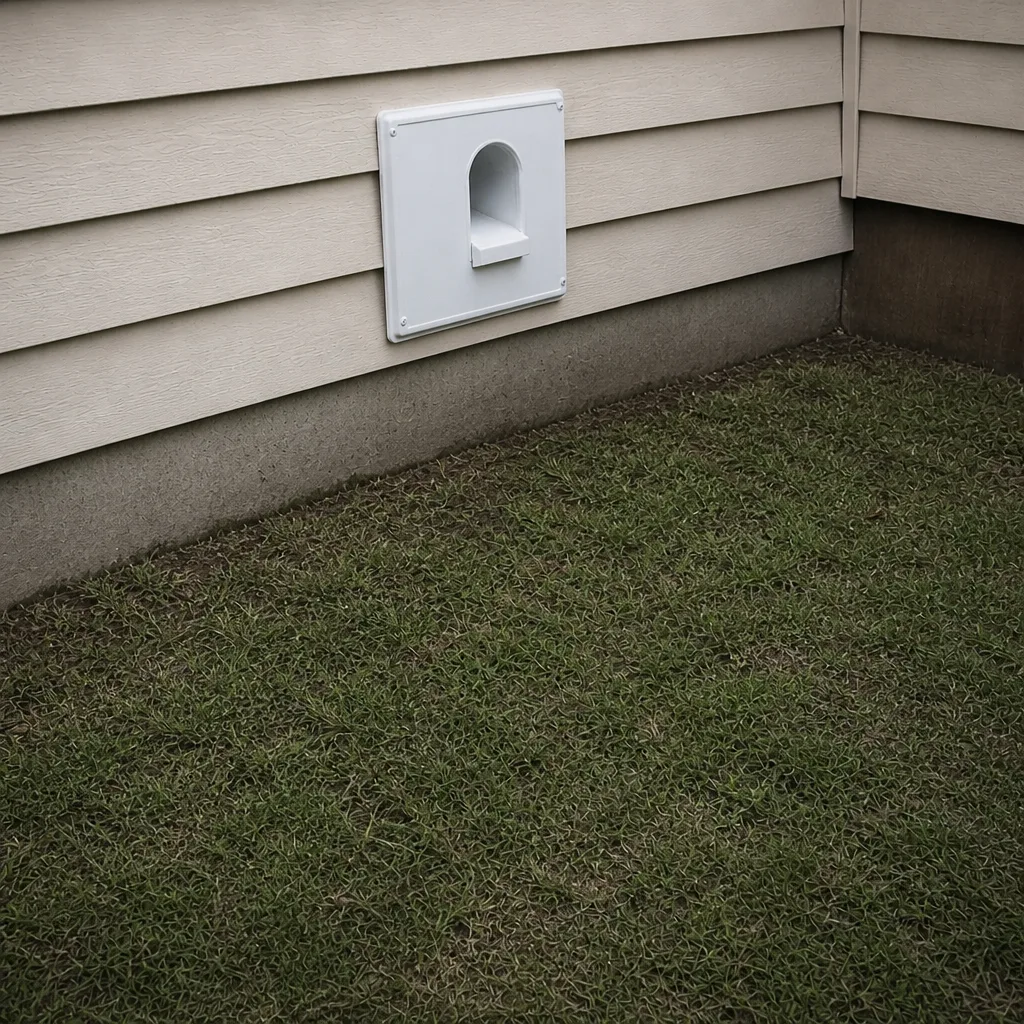 After
When to Call a Professional
Call a professional after a storm if water reached the crawlspace or attic where ducts run, if any vent smells musty or chemical, if you can see a duct run that’s crushed, disconnected, or torn, if the system was running during heavy debris or smoke, or if anyone in the house has asthma or allergy symptoms that started or worsened after the storm. Call before you restart the system, not after. We handle Nashville homes and the surrounding areas, and Duct Cleaning Nashville offers free estimates in Nashville. Call (855) 473-8488. We answer 24/7. Fast dispatch from 7am to 7pm, Sunday through Friday.
Frequently Asked Questions
We price by the whole system, not per vent, and the exact number depends on the size and layout of your home and what condition the system is in. The written estimate you receive before work starts is the price, and it doesn’t move once the technician is on site. After a storm, if repair work is needed alongside cleaning, that gets scoped into the same written estimate. Call (855) 473-8488 for an exact quote; estimates are free.
Cheap post-storm quotes are usually per-vent prices that escalate once the technician is on site, or a surface pass with a shop vacuum that doesn’t move debris from the trunk lines and returns. A real whole-system price reflects the equipment and the time the job takes. If a number sounds too low to cover the work, ask what’s included and what isn’t, in writing. Call (855) 473-8488 if you’d like to compare a written whole-system estimate.
Ask for before-and-after photos of your own ducts, taken as part of the job. That’s the only way to see what came out of the system, and any contractor who can’t provide it is asking you to trust a claim. We take those photos on every job. Call (855) 473-8488 to schedule a visit and see what the process includes.
For most homes, every few years is reasonable, but the trigger is condition, not a calendar. After a storm with water or debris intrusion, after major renovation work, or if a filter has been neglected for years, that schedule moves up. Humidity matters here too; a damp crawlspace shortens the interval on ductwork that runs through it. Call (855) 473-8488 if you’re not sure which category your home is in.
Cleaning can usually wait. Shutting off the system and inspecting the ductwork can’t, because running a water-damaged or torn system spreads contamination into rooms that were otherwise untouched, and that complicates both the cleanup and the claim. Document the condition first, then get the inspection, then schedule the work. Call (855) 473-8488 to get an inspection report you can send to your adjuster.
They’re different services and both can be needed after the same event. Dryer vents are a separate fire risk and should be checked if the vent routing runs through an attic or wall that saw damage, while the ducts need cleaning if water, debris, or particulate reached the system. One visit can cover both. Call (855) 473-8488 and we’ll tell you what an inspection would look at for each.
The Bottom Line
The order matters more than the cleaning. Shut the system down if water, debris, or structural damage reached the ductwork. Photograph everything before you clean anything up. Get a written inspection that names each affected run and says whether it can be cleaned or needs repair. Then schedule the work with a contractor who gives you one flat price per system, names their equipment, and shows you before-and-after photos of your own ducts. Nashville storms are a when, not an if, and ductwork sits low on most checklists. Move it up, and the next event is a lot less expensive to handle.
If you’re ready to schedule an inspection or a cleaning, call Duct Cleaning Nashville at (855) 473-8488 for a free estimate. We answer 24/7. Fast dispatch from 7am to 7pm, Sunday through Friday.
Written by the team at Duct Cleaning Nashville.