
Last updated November 15, 2026
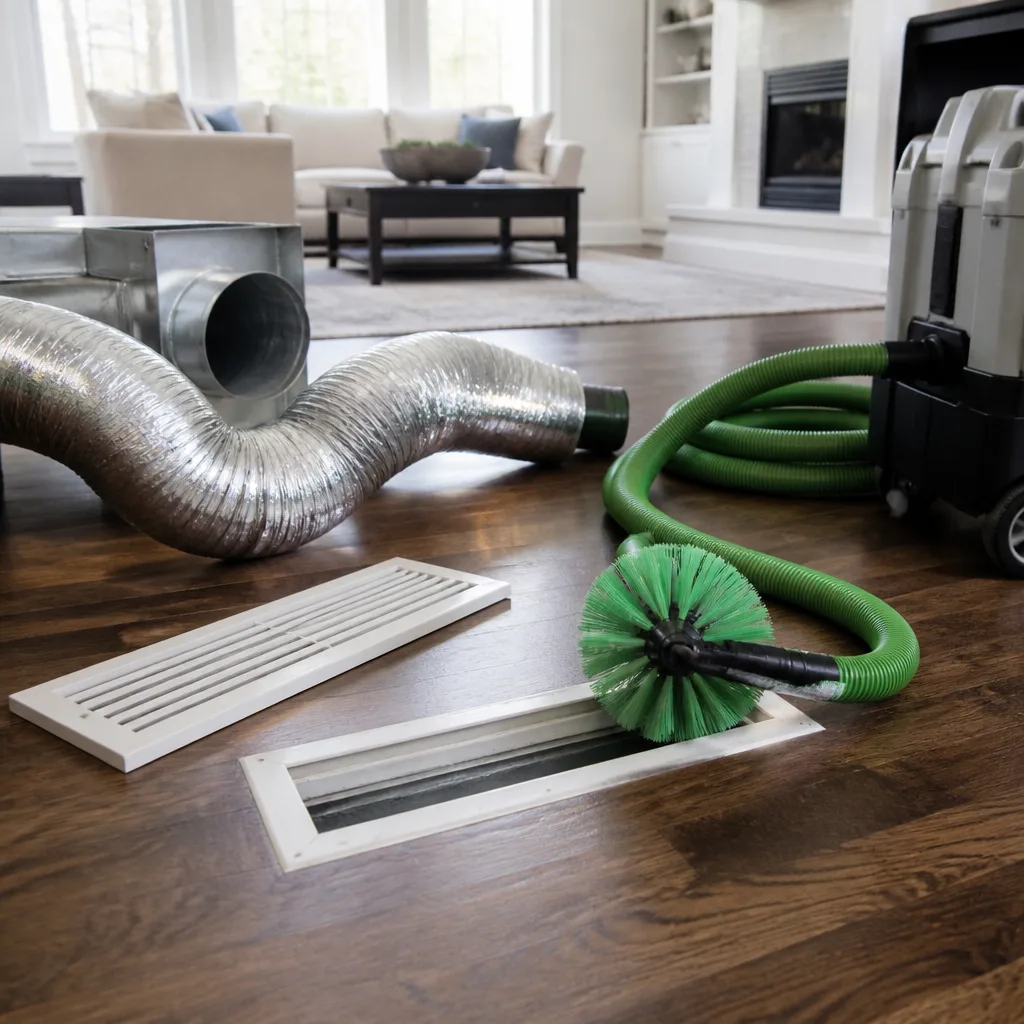 Whole-home duct cleaning
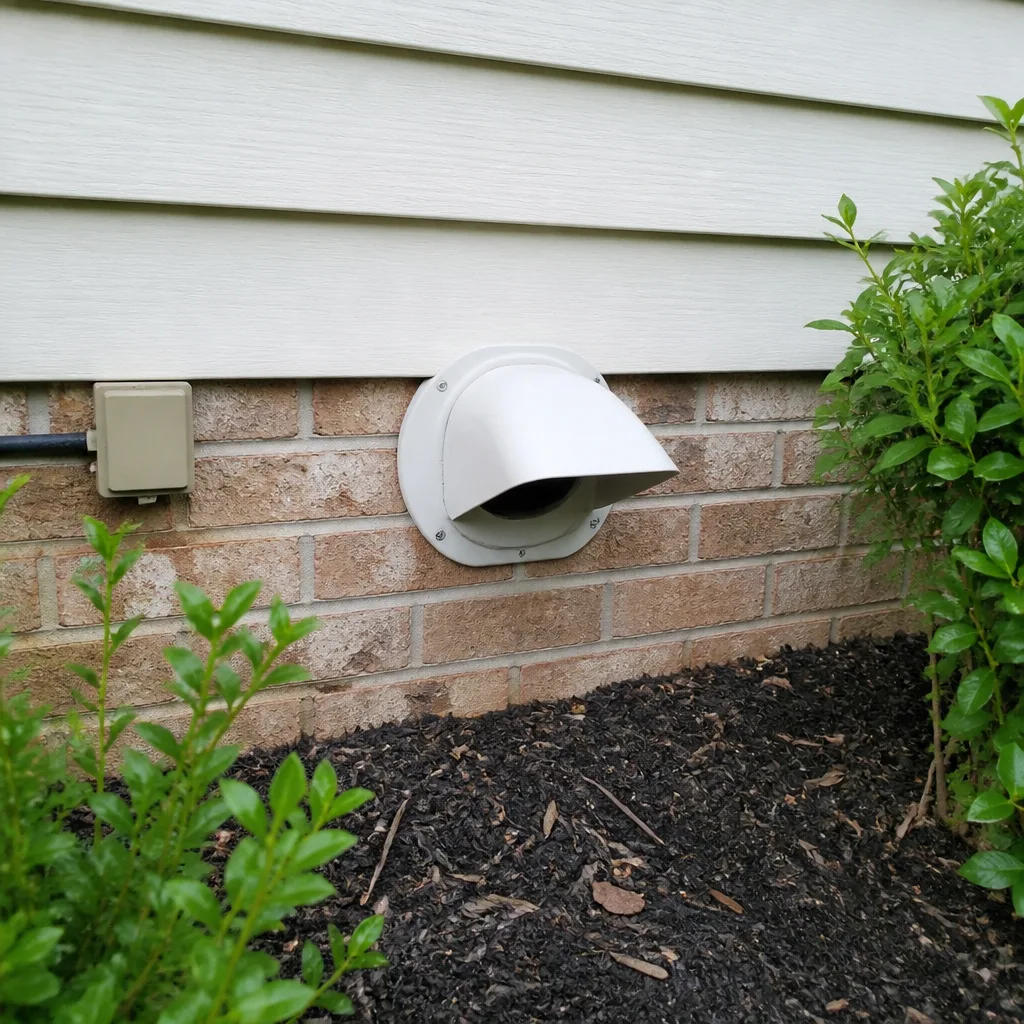 Dryer vent cleaning
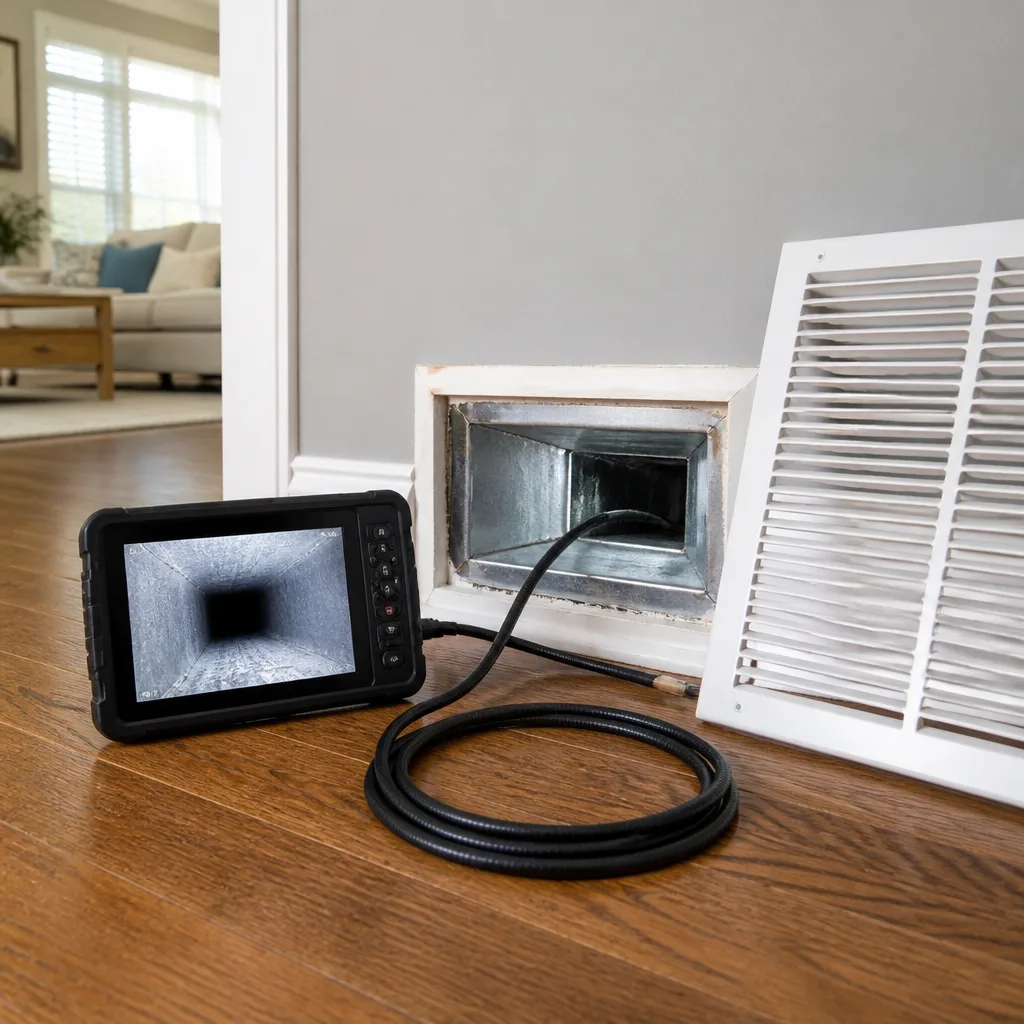 Camera inspection
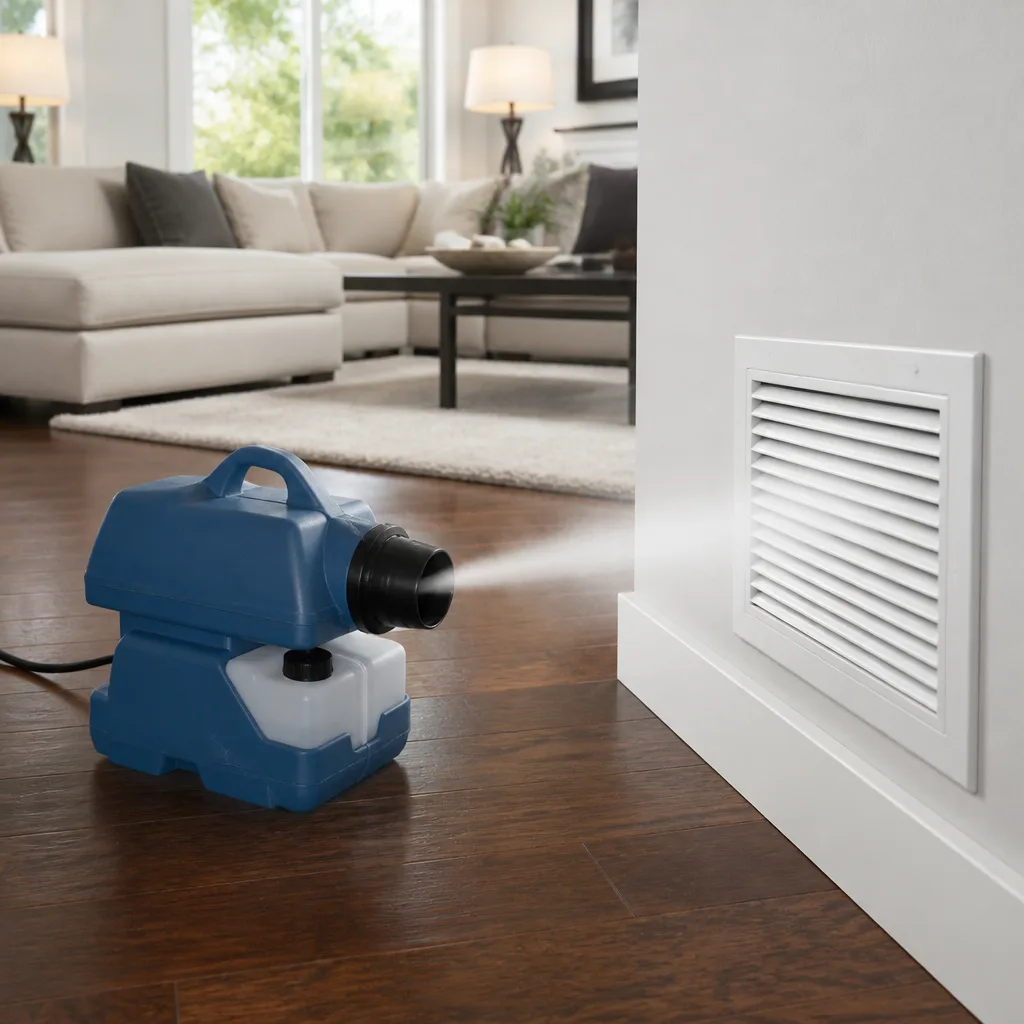 Sanitizing & deodorizing
Whole-system duct and dryer vent check with before-and-after photos - you see exactly what came out of your vents
That "$99 whole-house special" is a bait ad - the real number appears once they are in your hallway, or the "clean" is a shop-vac at the register. We photograph the inside of your ducts before and after instead.
Air Duct Cleaning Permits, Codes & Inspections in Nashville, TN: What You Need to Know
Here’s the part of duct work that surprises people: the cleaning itself needs no permit, but a repair very often does. If a technician finds a collapsed run or a torn takeoff during a cleaning and patches it without pulling a permit, that repair stays invisible on your home’s record. In Nashville, that doesn’t come up until an inspector or a buyer’s agent starts asking questions during a sale, and by then the walls are closed and the paper trail is thin. This guide walks through where Tennessee and Metro Nashville draw the line between cleaning and alteration, who has jurisdiction over duct work, how to verify a contractor’s license, and what a real post-repair inspection should cover.
Quick Answer
Air duct cleaning does not require a permit in Tennessee or under Metro Nashville codes, because it’s considered maintenance rather than construction. Duct repair, replacement, or any change to the duct system’s layout, sizing, or routing is treated as HVAC mechanical work, which requires a permit through Metro Codes and must be performed by a licensed mechanical contractor. If a cleaning crew finds damage and proposes to fix it, ask whether the work needs a permit and who holds the license before you say yes.
Styles & brands we work with
- Whole-home duct cleaning
- Dryer vent cleaning
- Camera inspection
- Sanitizing & deodorizing
Table of Contents
- Cleaning vs. Repair: Where the Permit Line Sits
- What Metro Nashville Codes Covers, and What Falls to You
- How Repairs Found During a Cleaning Should Be Documented
- Licensed HVAC Contractor or Duct Specialist: Who Does What
- Unpermitted Repairs and the Home Sale Problem
- How to Verify a Contractor’s Licensing in Tennessee
- What a Proper Post-Repair Inspection Looks Like
- Why Nashville Buildings Put Ducts Under Particular Stress
Cleaning vs. Repair: Where the Permit Line Sits
The distinction sounds like splitting hairs until you understand why it exists. Cleaning removes debris. Repair changes the physical system. Regulators care about the second one because a duct system is part of the mechanical assembly of a house, and changes to it affect airflow, combustion safety in gas appliances, and the performance of the HVAC equipment it connects to.
A few examples make the line clearer:
- No permit: Source removal of dust and debris from ducts, cleaning the blower compartment, vacuuming out registers, cleaning a dryer vent.
- No permit: Sealing small leaks at accessible joints with mastic or approved tape as routine maintenance.
- Permit required: Replacing a section of rigid duct that has collapsed or rusted through.
- Permit required: Adding, removing, or relocating a supply or return run.
- Permit required: Changing duct sizing in a way that alters the system’s airflow design.
- Permit required: Replacing flexible duct runs with rigid duct, or rerouting ductwork to solve a chronic hot-room complaint.
In practical terms, if the work involves cutting into the duct system and putting it back together in a different form, treat it as permitted mechanical work. If it involves pulling debris out of the system as it stands, it doesn’t. That’s the boundary most homeowners never hear about until something goes wrong.
If you’re scheduling a first cleaning, our overview of air duct cleaning explains what the standard process involves before any repair question comes up.
What Metro Nashville Codes Covers, and What Falls to You
Metro Nashville operates as a consolidated city-county government, which means the Metro Codes Department handles building, mechanical, and property standards enforcement across the entire Davidson County footprint. That includes neighborhoods well outside the urban core: East Nashville, Sylvan Park, Donelson, Antioch, Madison, Green Hills, and the rapidly developing corridors out toward Nolensville and Whites Creek.
For duct work, Metro Codes’ mechanical division is the authority. A permit for duct alteration or replacement is typically pulled by the licensed contractor performing the work, not the homeowner. The permit creates a record of the scope, triggers an inspection at rough-in or final stages, and ties the completed work to a licensed professional whose credentials are on file.
What the department covers
- Permits for duct replacement, extension, or significant modification.
- Mechanical inspections of the finished work, including duct sealing and support.
- Enforcement when unpermitted work is discovered, which usually happens at sale or during an unrelated inspection.
- Rules on how flexible duct must be supported, how joints are sealed, and clearances from heat sources and combustibles.
What stays with you
Metro Codes won’t inspect a cleaning, because no permit exists to trigger it. What the department won’t tell you is whether your ducts actually need repair, whether the contractor you hired is licensed, or whether a repair that just got patched will pass a buyer’s inspection six years from now. Those fall to you. The habit that protects you is asking two questions before any repair happens: does this work need a permit, and if so, who’s pulling it?
Residents across Nashville end up in the same position on this question, whether they’re in a 1950s brick ranch in Donelson or a new build out in Antioch: the cleaning is straightforward, the repair is where the paperwork matters.
How Repairs Found During a Cleaning Should Be Documented
A reputable duct cleaning produces a record of what was found, not just what was removed. When a technician discovers damage, the documentation should capture the condition before anyone touches it. Here’s how that should look in practice:
- Photograph the damage in place. Before-and-after photos of the specific section, not just the cleaned duct you paid for. A collapsed run is a fact; a photo of it is a record.
- Describe the location precisely. “Supply run serving the second-floor hallway” is useful. “Some damage near the back” is not.
- Note the condition, not the cause. Torn liner, disconnected joint, crushed flex duct, rusted-through pan. The cause is a diagnosis for the repair contractor.
- Recommend the scope of work in writing. If a section needs replacement, the recommendation should say so plainly and note that a permit may be required.
- Separate cleaning from repair on the invoice. Two distinct scopes, two distinct lines. This is what protects both parties if questions come up later.
- Hand over the file. You should keep the photos, the written recommendation, and any permit number that results from the repair. Store them with your home records.
We use Rotobrush and Nikro equipment on every job, and part of why that matters is documentation. Contact cleaning lets us see the full interior of a run and photograph what’s actually there instead of guessing from the register. When we do find something, you get the picture before the recommendation.
For homes where the repair scope turns out to be significant, our Duct Cleaning Nashville service page covers how cleaning and repair get sequenced so the ducts are clean before the system goes back into service.
Licensed HVAC Contractor or Duct Specialist: Who Does What
Duct cleaning and duct repair are not the same trade, and treating them as interchangeable is where homeowners get burned. Cleaning requires equipment and dust control expertise. Repair and alteration of a duct system is mechanical work that falls under Tennessee’s contractor licensing framework for HVAC.
Here’s the honest split:
- Cleaning specialist: source removal of contaminants, dryer vent cleaning, duct integrity inspection, sealing small accessible leaks, documentation of findings.
- Licensed HVAC contractor: replacing duct sections, rerouting runs, altering sizing, connecting new ducts to equipment, pulling permits, and the inspections that follow.
Some companies do both well. Some do one and subcontract the other. The problem to watch for is a cleaning company that quietly performs repair work it isn’t licensed to do, or one that hands you a recommendation and disappears, leaving you to find a contractor who’ll take on a job someone else scoped. Neither outcome serves you.
What you want is a provider that can clean, inspect, and perform repair as one accountable scope, or one that’s clear up front about which parts of the work it holds a license for. We build our service around the first model because it keeps the permit question simple. When our inspection turns up a repair, we structure it as its own scope with its own written estimate, and the permit status is stated before work begins.
If your dryer vent is part of the concern, that’s a separate conversation worth having. Our dryer vent cleaning service handles it as a standalone service because the fire risk it addresses doesn’t wait for a full duct cleaning.
Unpermitted Repairs and the Home Sale Problem
This is where the permit distinction stops being theoretical. A home inspection at sale is a paper trail exercise as much as a physical one. An inspector who sees a duct system with a fresh taped joint, a section of shiny new flex, or a run that doesn’t match the rest of the system will ask whether there’s a permit on record. If the answer is no, the buyer’s agent flags it, the closing timeline slips, and the seller has to sort out the paperwork under pressure.
The specific patterns that cause trouble:
- A cleaning company finds a collapsed duct and patches it as a “courtesy fix.” No permit, no inspection, no record. The repair looks fine. The home record doesn’t show it happened.
- A duct run gets relocated to solve a hot-room complaint during a renovation. The renovation is permitted. The duct change isn’t. The discrepancy surfaces years later when someone pulls the permit history.
- Flex duct replaces rigid duct because it’s faster. The flexibility pulls and sags over time, the airflow issue returns, and now there are two problems: poor performance and undocumented work.
- A dryer vent gets rerouted to a shorter path during a remodel without a mechanical permit. The fire-risk issue is compounded by an undocumented change.
None of these are catastrophic on their own. What makes them costly is the timing: they surface during the highest-pressure transaction most homeowners ever go through, when the correction has to happen on a deadline someone else set.
The fix is straightforward. Before any repair work begins, ask the contractor whether they’re pulling a permit and get the answer in writing. If the answer is “it’s just a small repair, no permit needed,” ask them to confirm that in writing too, on company letterhead. The written record is what protects you if a buyer’s agent comes asking.
How to Verify a Contractor’s Licensing in Tennessee
Tennessee’s Department of Commerce and Insurance maintains a public license lookup through its licensing boards, including the board that oversees mechanical contractors. Verification takes about five minutes and it’s the single most useful check you can do before hiring anyone to touch your duct system.
Here’s the process we recommend:
- Get the company’s legal name. Not the DBA on the truck. The legal entity name is what shows up in the state lookup.
- Look up the license status. Active, expired, suspended, or revoked. An expired license is a red flag worth asking about directly.
- Check the license classification. Some licenses cover limited mechanical work; some cover full HVAC. Confirm the classification covers the scope you’re hiring for.
- Verify insurance coverage. Ask for a certificate of insurance naming you or your property, and confirm the policy is current by calling the insurer directly.
- Ask who will actually be on site. If a company sends a subcontractor, the subcontractor’s license is the one that matters for the work being done.
- Get everything in writing. Written estimate, written scope, written confirmation of permit status. Verbal promises don’t survive a sale inspection.
For duct cleaning work specifically, the license requirement is lighter, but the verification habit is the same. Ask for insurance and a written scope. If a company can’t or won’t provide either, that’s the answer to your question about whether to hire them.
What a Proper Post-Repair Inspection Looks Like
An inspection isn’t a formality. It’s the check that confirms the repair behaves the way it was designed to, before the system goes back into service or the walls close behind it. Whether the inspection is performed by Metro Codes as part of a permitted job or by the contractor as their own quality check, it should cover the same territory.
What to look for:
- Duct integrity. Every joint sealed. Every connection to equipment or registers tight. No sagging flex runs, no crushed sections, no kinked turns.
- Support and clearance. Duct runs supported at proper intervals and kept clear of heat sources, combustibles, and any gas appliance’s combustion air zone.
- Airflow verification. Static pressure and airflow readings taken before and after the repair to confirm the system performs as intended.
- Combustion safety. If the home has gas appliances connected to the system, a combustion safety check confirms the repair didn’t affect draft or venting.
- Photographic record. Photos of the finished work before the access points close, especially for repairs in walls, chases, or attic spaces.
- Written closeout. The contractor’s written confirmation of the scope completed, the permit number if applicable, and any warranty terms on the repair itself.
For permitted work, the Metro Codes inspection is the final step and shouldn’t be skipped or deferred. If a contractor wants to close a wall before the inspection, ask why. There’s almost never a good reason.
We build our post-clean verification around the same idea: before-and-after photos of your actual ducts, taken with our Rotobrush system, so you can see what clean looks like. When we recommend a repair, the same photographic habit applies to the before, the during, and the after. That record is what stays with your house when you eventually sell it.
Why Nashville Buildings Put Ducts Under Particular Stress
Nashville’s climate swings hard between humid summers and cold winters, and that cycle works against duct systems in a few specific ways. Attic-mounted ductwork in a metro area where the attic can run well over 130 degrees in July and drop below freezing in January expands and contracts continuously. Flex duct liner that’s already aged and brittle can tear through the course of a few seasons. Rigid metal duct joints can loosen. Insulation around duct runs can degrade.
Homes in older Nashville neighborhoods, including established parts of East Nashville and Sylvan Park, often have original duct layouts that predate modern sealing standards. Newer construction in fast-growing areas tends to have more flexible duct, more complex routing, and systems sized more tightly, which means a single collapsed run affects a larger share of the house. The practical takeaway is that in Nashville, duct integrity inspections are worth doing on a regular basis, not just when a room feels stuffy.
When a home has chronic moisture in the crawlspace or attic, mold concerns come up too. This is where professional-grade equipment separates a real inspection from a surface pass: an Abatement Technologies filtration setup, the same category used in professional remediation, gives you meaningful capability for post-construction dust and homes with respiratory sensitivity in the household. That’s a different level of work than a shop vac through the registers.
If you’re noticing air quality issues, uneven temperatures, or dust that returns days after you clean, that’s often a duct integrity problem rather than a cleaning problem. We’re happy to inspect and give you a clear answer.
Common Mistakes to Avoid
- Assuming the cleaning company’s repair is covered. A duct cleaning company may perform repair work without a permit, which is legal only if their license covers it. Ask directly whether they hold the right Tennessee license for the repair they’re proposing.
- Treating a “courtesy patch” as a repair. A quick tape job on a collapsed duct is not a repair; it’s a deferral. In a Nashville attic where seasonal movement is severe, the tape fails and you’re back to the same problem, now with a paper trail gap.
- Not asking about permits before work starts. Metro Codes requires permits for duct alteration and replacement, not for cleaning. Confirm which category your job falls into in writing before anything gets cut into.
- Skipping the license lookup. Tennessee’s Department of Commerce lookup takes minutes. Doing it before you sign is the difference between a contractor with a license on the line and one without.
- Closing walls before inspection. If the repair is permitted, the inspection happens before the wall closes. A contractor who wants to close first is telling you something about how they plan to handle the paperwork.
- Accepting a quote that mixes cleaning and repair into one line. Cleaning has no permit; repair very likely does. A single line on the invoice makes it impossible to verify which category the permit history reflects.
- Ignoring the dryer vent because it’s not “duct cleaning.” The dryer vent is a separate system with its own fire-risk profile. It needs to be scheduled as its own service and documented as such.
See the difference
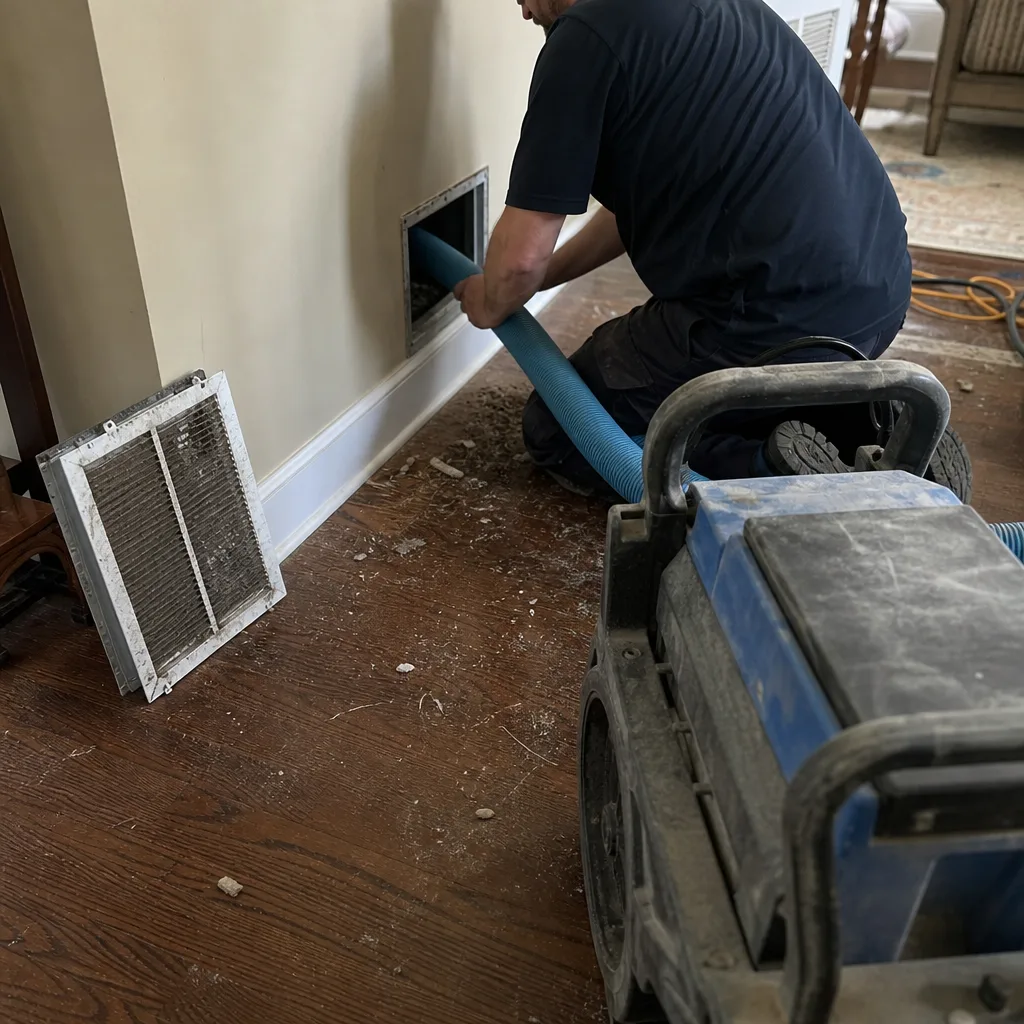 Before
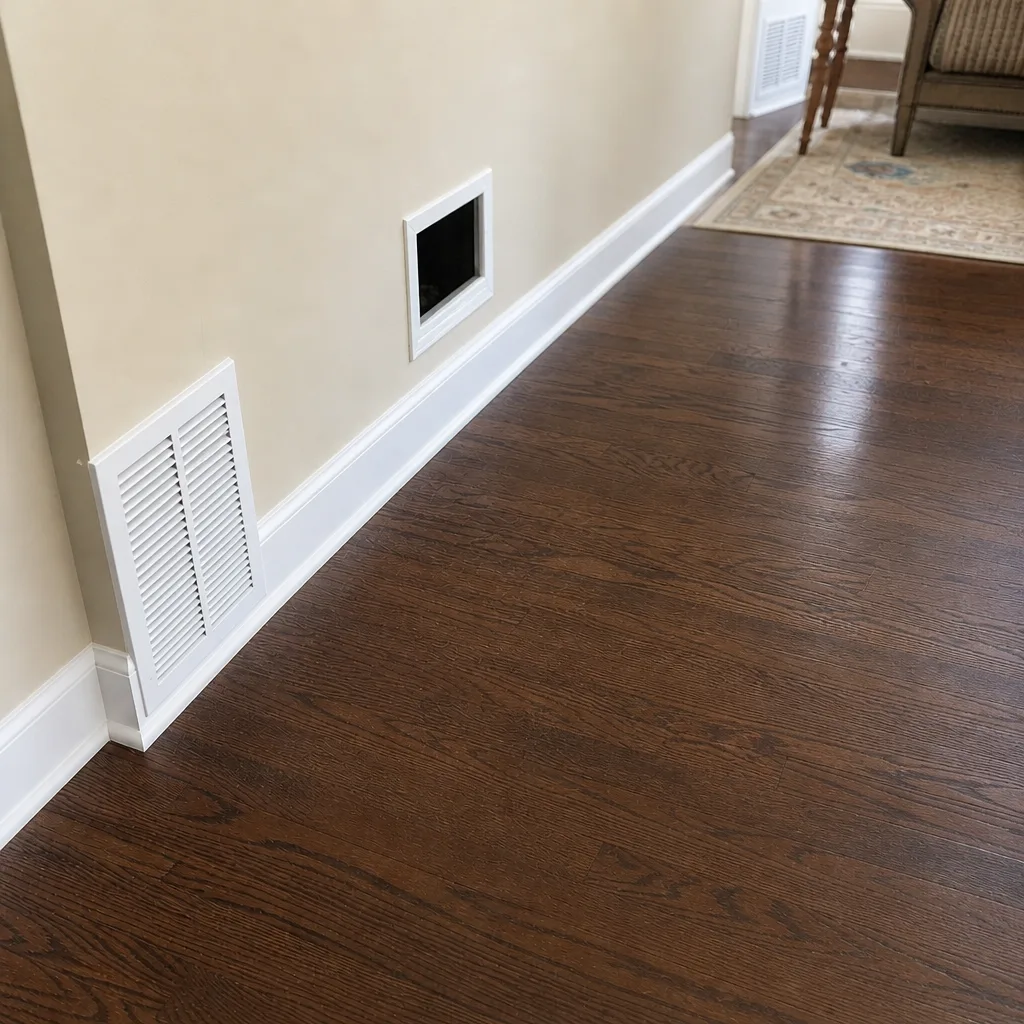 After
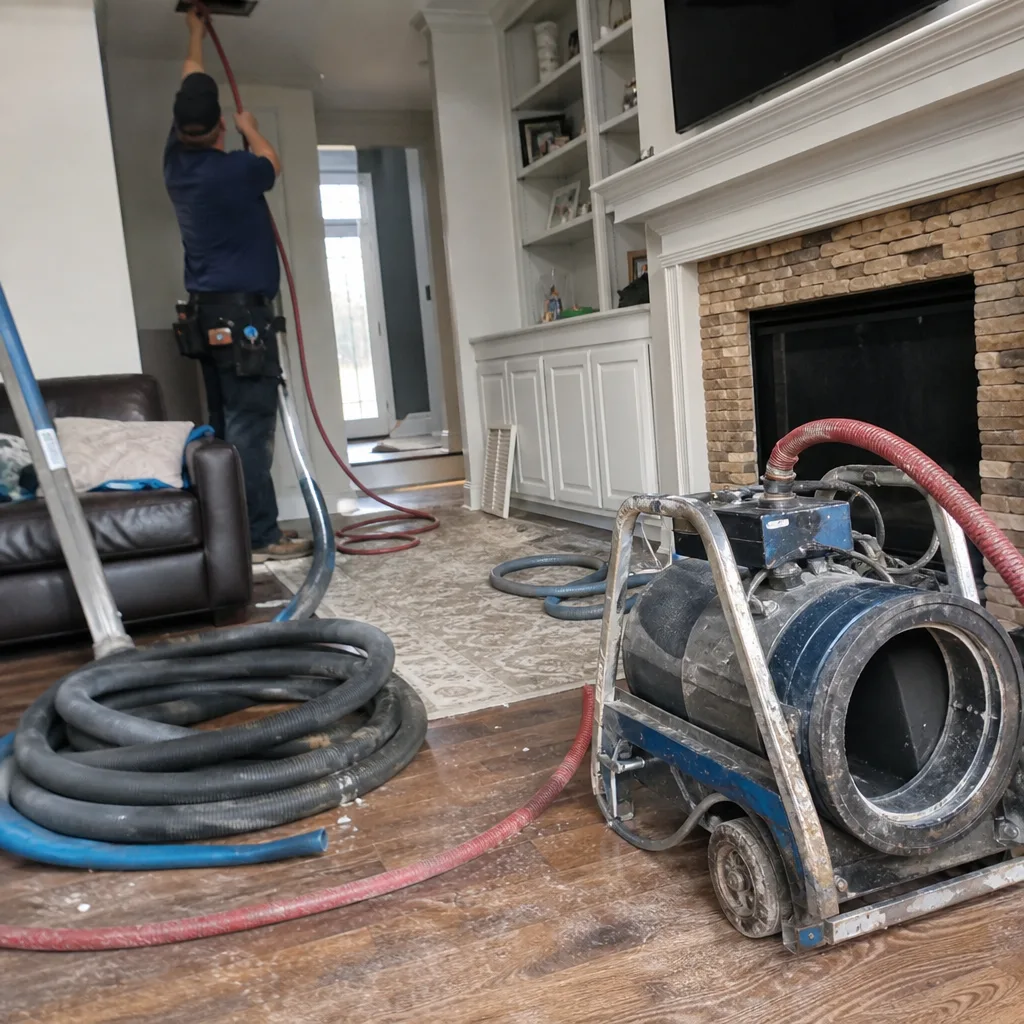 Before
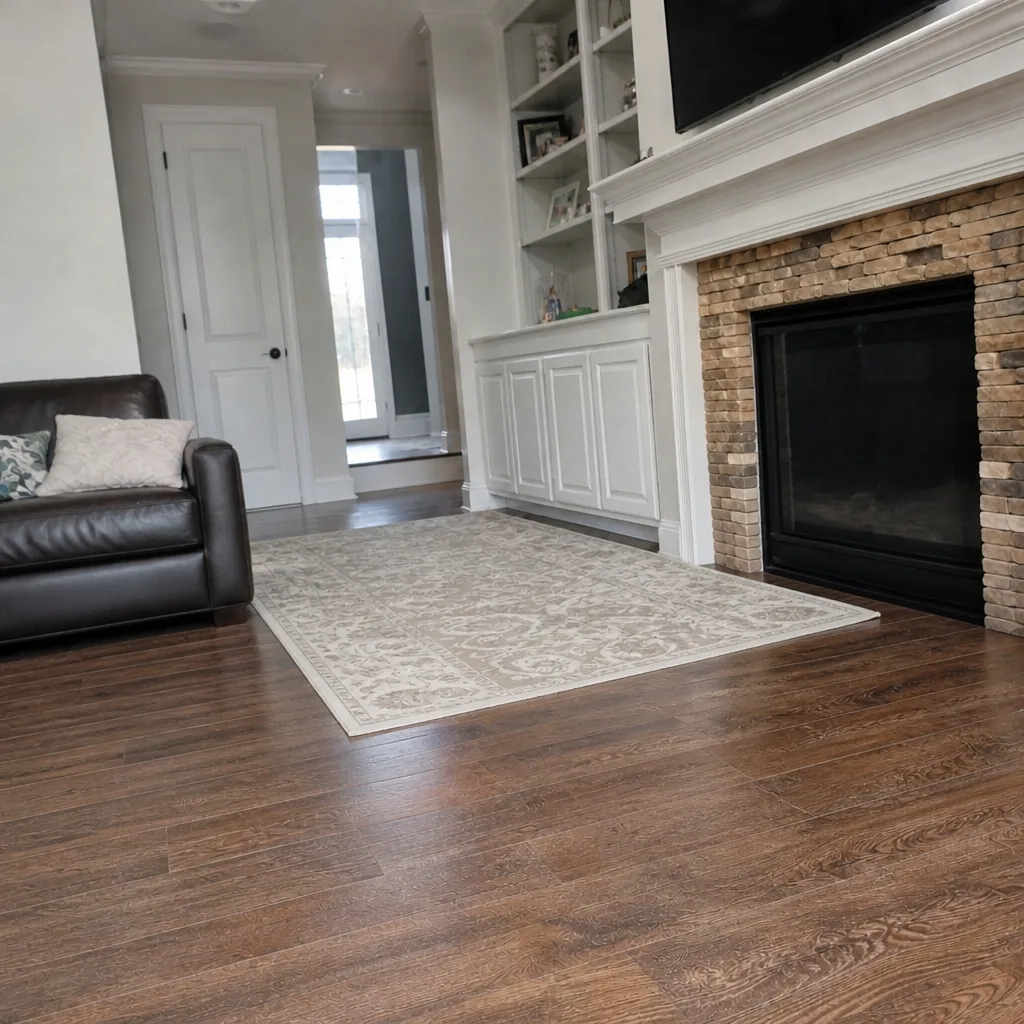 After
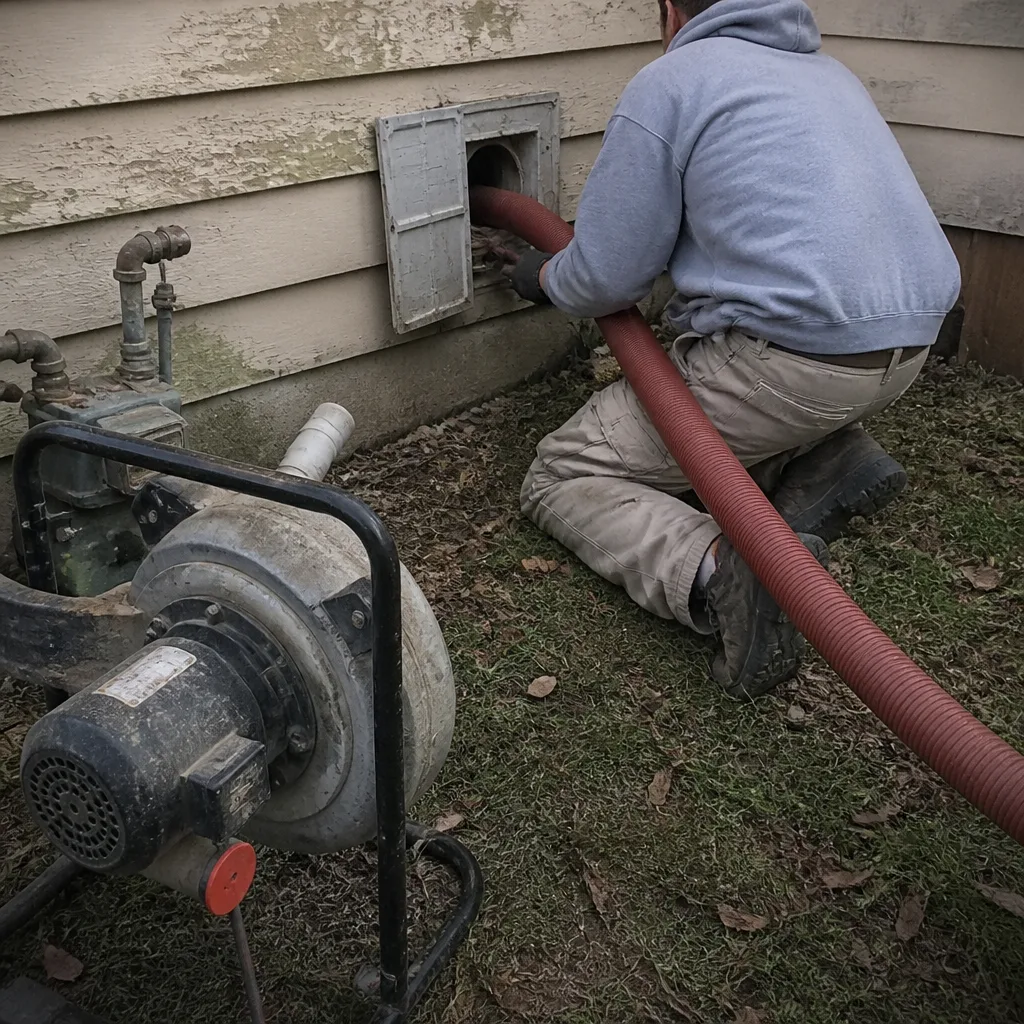 Before
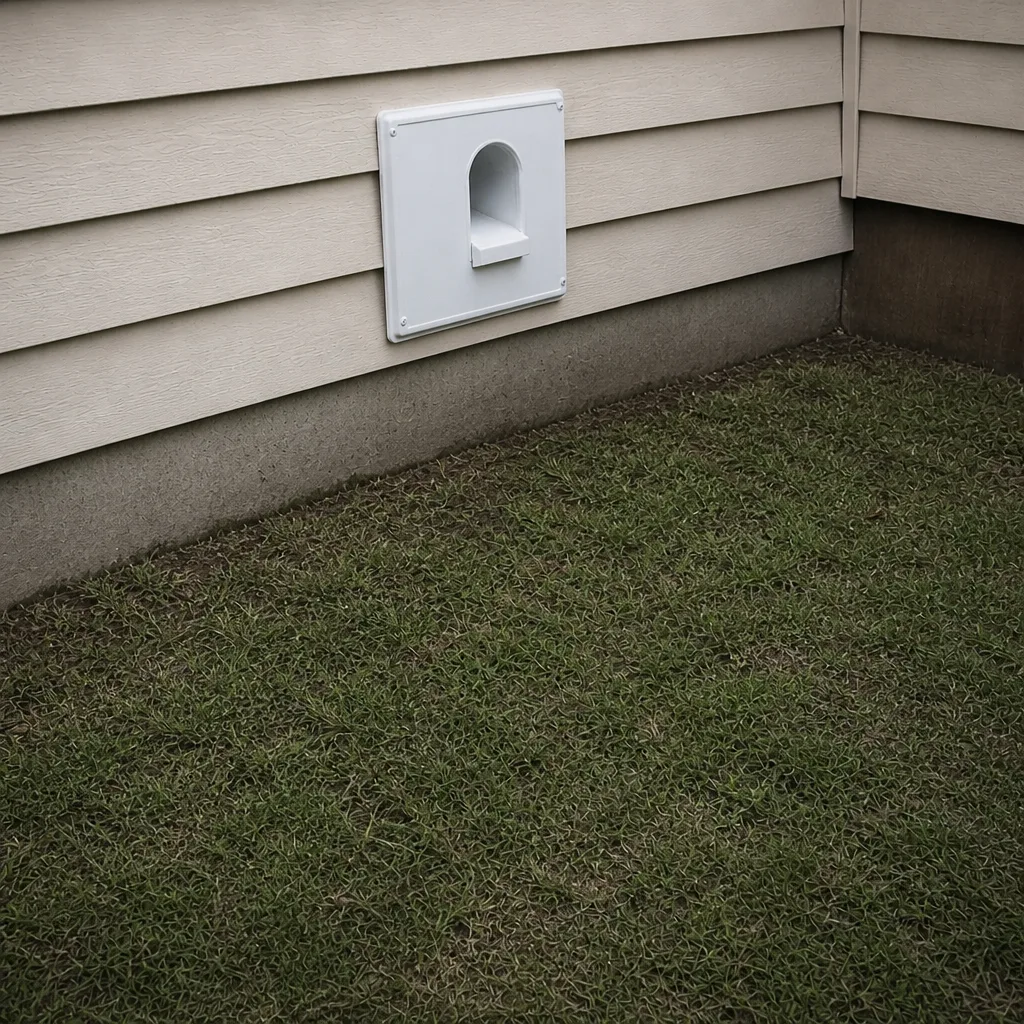 After
When to Call a Professional
Call a professional when you notice air quality problems that keep returning, uneven temperatures between rooms, visible dust at the registers, or a dryer that takes longer than it used to. These are signs worth a proper inspection, not a guess. Call before you close on a home if the seller’s disclosure is silent on recent duct work, and call before any repair is proposed if you can’t get a straight answer about permitting and licensing.
We work across Nashville with professional-grade equipment and we’re set up to handle cleaning, dryer vent, and duct repair as one accountable scope. Duct Cleaning Nashville offers free estimates in Nashville – call (855) 473-8488 to schedule an inspection. We answer 24/7. Fast dispatch from 7am to 7pm, Sunday through Friday, and closed Saturday. The estimate is free, the price is set per job by the written estimate, and every job produces before-and-after photos of your own ducts.
Frequently Asked Questions
No. Air duct cleaning is treated as maintenance work and does not require a permit in Nashville or under Tennessee state code. The permit requirement applies to duct repair, replacement, or alteration of the duct layout, which falls under Metro Nashville’s mechanical permitting authority. If a company is cleaning your ducts and also proposing repairs, that’s the moment the permit question becomes relevant, and it should get a written answer before work begins. Call (855) 473-8488 for an exact quote – estimates are free.
Most duct repair work that changes the system does require a permit through Metro Codes. Replacing a collapsed or rusted section, adding or relocating a run, changing duct sizing, or rerouting a duct to solve an airflow problem all fall in the permitted category. Simple patching of a small accessible joint as routine maintenance generally doesn’t. When in doubt, ask the contractor to state the permit status in writing on the estimate. Call (855) 473-8488 for a written scope before work starts.
Ask for the legal company name and look it up through Tennessee’s Department of Commerce and Insurance license lookup. Confirm the license classification covers mechanical or HVAC work, not just cleaning. Ask who will actually perform the repair and whether the permit will be pulled under their license. A company that can’t answer those three questions clearly on the first call is one to keep looking past. Call (855) 473-8488 to talk through the license and permit status of any repair we recommend.
It can, and the timing is what makes it painful. A buyer’s home inspection may flag fresh duct work that has no permit record, which triggers questions, delays, and correction work under a closing deadline. The fix is to document every repair as it happens: photographs, written scope, permit number if applicable, and the contractor’s license information. That file travels with the house and answers the buyer’s questions before they get asked. Call (855) 473-8488 if you’re pre-sale and want a duct integrity inspection on record.
Duct cleaning in the Nashville market is typically priced per system rather than per vent, with the final amount set by a written estimate after the technician sees the layout. Be wary of any quote that gives a per-vent price or a teaser number over the phone; those numbers tend to grow once the technician is on site, which is where the industry’s bait-and-switch reputation comes from. We hold to one flat price per system agreed before work starts, and you see before-and-after photos of your own ducts when we finish. Call (855) 473-8488 for an exact quote – estimates are free.
Cheap quotes usually reflect either a smaller scope than the job needs, entry-level equipment that can’t do real contact cleaning, or a per-vent price that expands during the visit. Professional contact cleaning with equipment like Rotobrush and Nikro, a full inspection of the duct integrity, and before-and-after photos are what make the difference between a real cleaning and a surface pass. The lowest number on the page is rarely the lowest total cost by the time the work is done. Call (855) 473-8488 for a written scope you can compare against any other quote – estimates are free.
The Bottom Line
Cleaning doesn’t need a permit. Repair almost always does. That single distinction is what separates a well-documented duct job from an undocumented one, and it’s the one most homeowners never hear until it matters during a sale or an insurance question. Verify the contractor’s license before hiring, get the permit status in writing before any repair, keep the before-and-after photos with your home records, and never let a “courtesy patch” substitute for a proper documented repair. Those habits protect your home’s record and your leverage when you eventually sell. Duct Cleaning Nashville works in Nashville with professional-grade equipment – call (855) 473-8488 for a free estimate.
Written by the team at Duct Cleaning Nashville.