
Last updated November 15, 2026
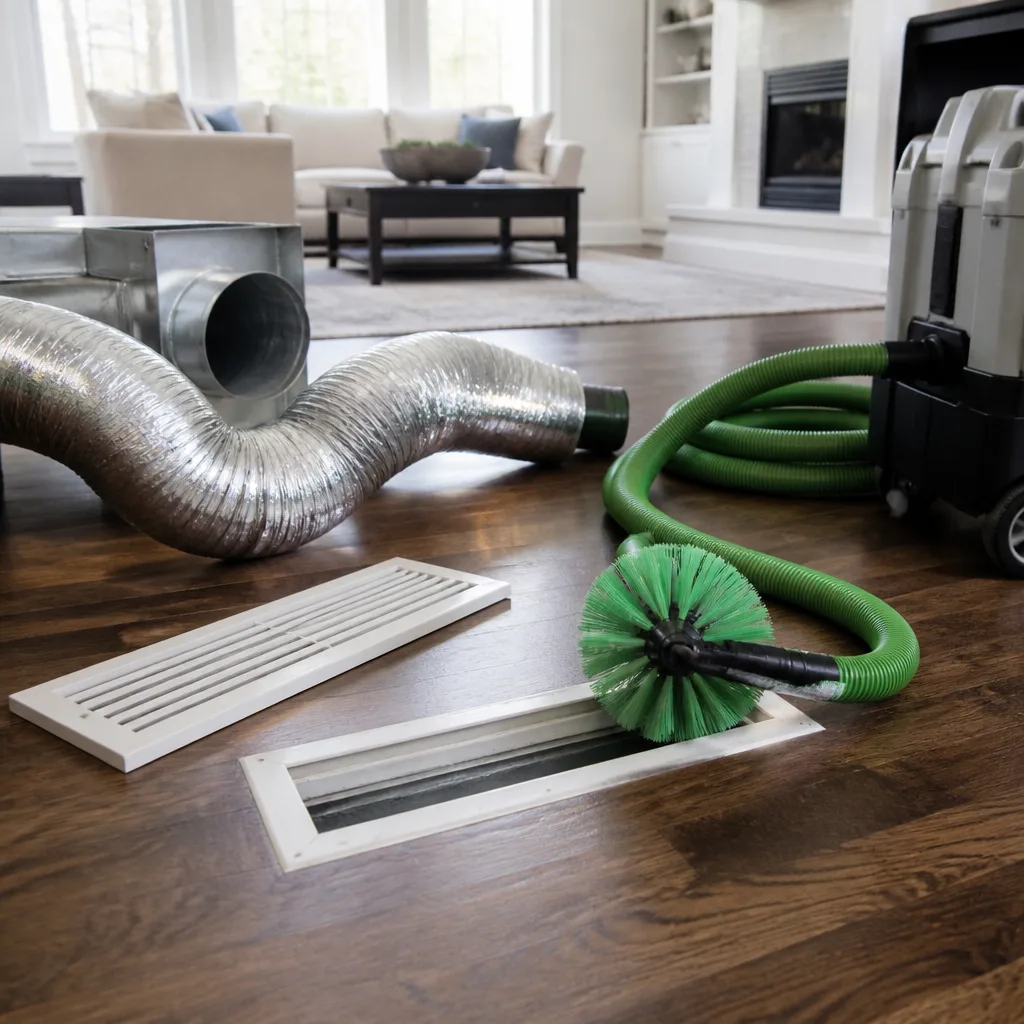 Whole-home duct cleaning
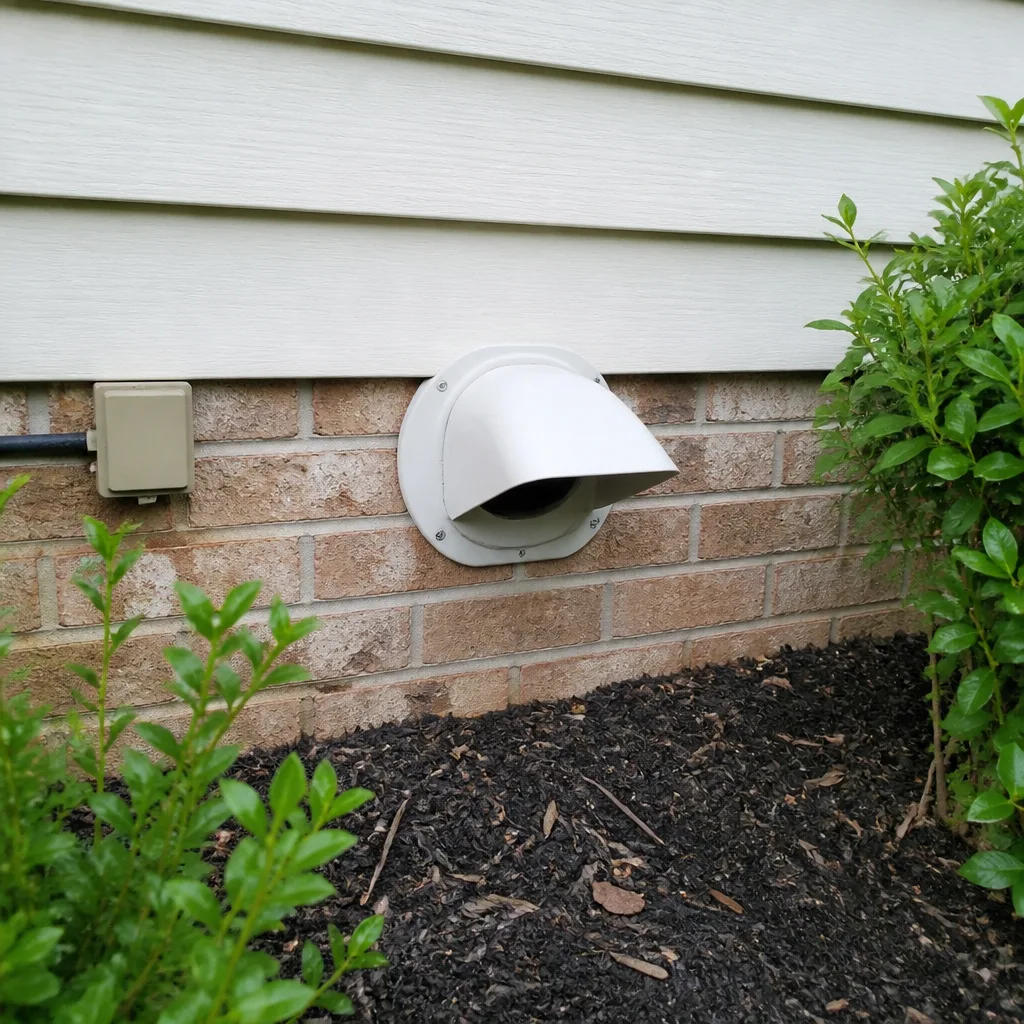 Dryer vent cleaning
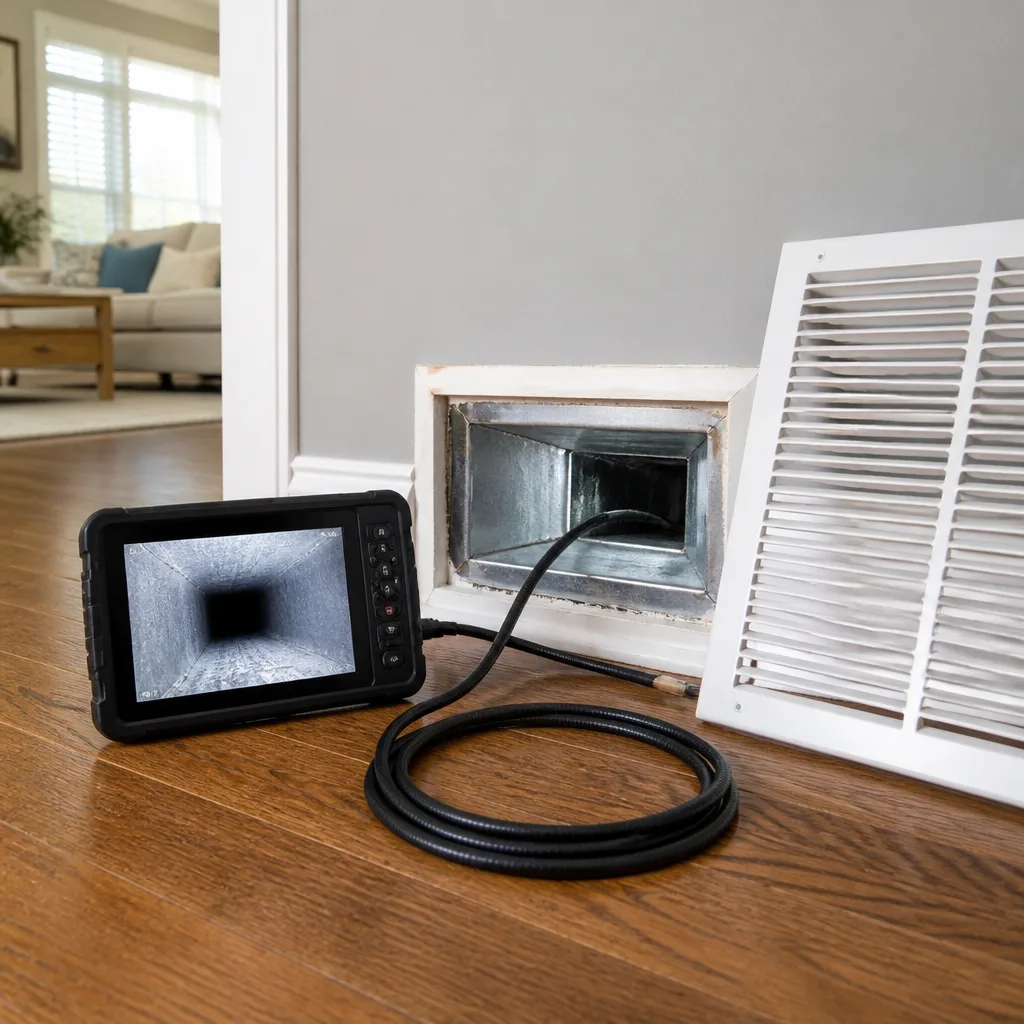 Camera inspection
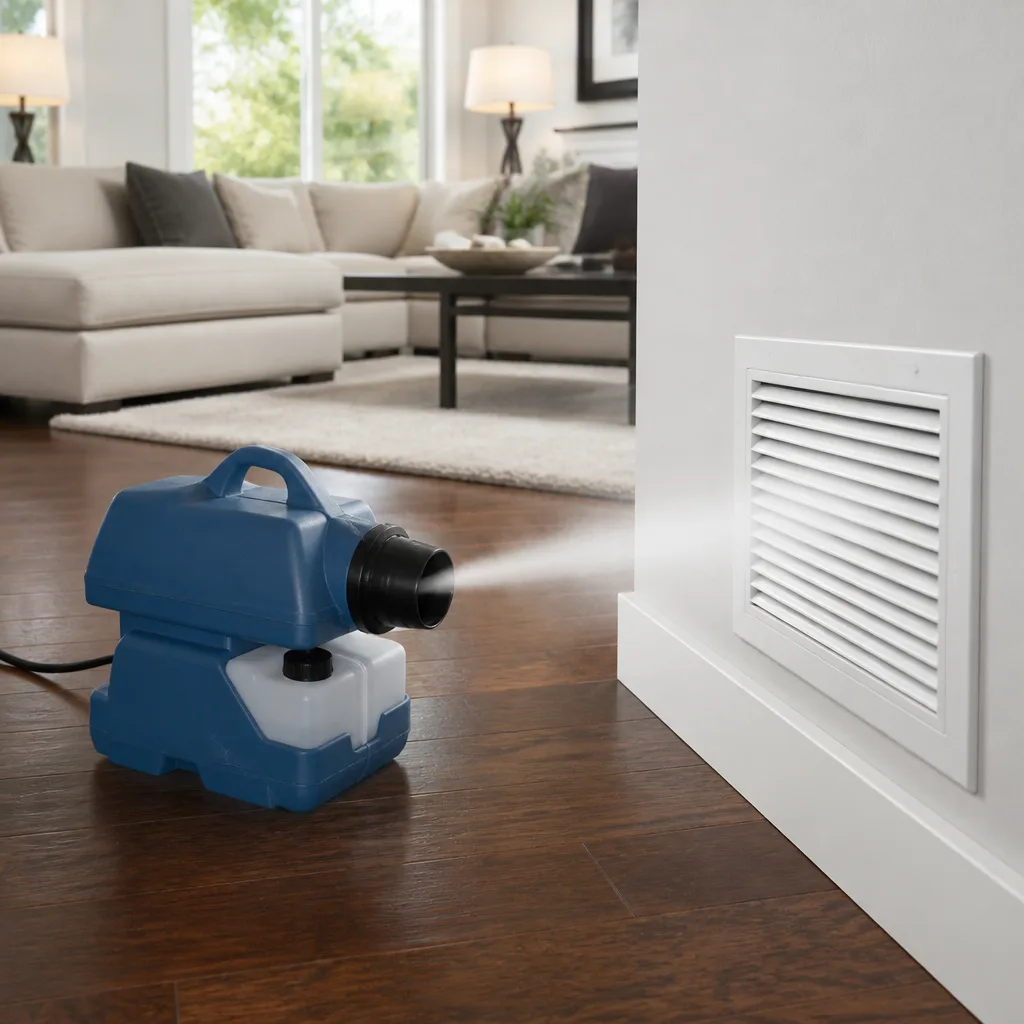 Sanitizing & deodorizing
Whole-system duct and dryer vent check with before-and-after photos - you see exactly what came out of your vents
That "$99 whole-house special" is a bait ad - the real number appears once they are in your hallway, or the "clean" is a shop-vac at the register. We photograph the inside of your ducts before and after instead.
The Complete Guide to Air Duct Cleaning in Nashville
Most homeowners in Nashville think about their air ducts in terms of visible dust, but that’s the least of the problem. The bigger issue is moisture. Nashville averages more than 50 inches of rain a year, and that humidity doesn’t stay outside. It seeps into return-air plenums, condenses on cool duct walls during long cooling seasons, and creates the damp conditions where biological growth takes hold. That single fact changes what “duct cleaning” should mean here compared with Phoenix or Denver. In this guide, we’ll walk through how Nashville’s climate and housing stock shape what your ducts actually need, what professional equipment does that a shop vacuum can’t, what duct repair looks like, and how to tell whether the contractor you’re paying for is really doing source removal or just blowing dust around.
Quick Answer
Air duct cleaning in Nashville means removing accumulated dust, debris, and moisture-driven contamination from your entire duct system using professional-grade negative air pressure and contact cleaning, not consumer vacuums. Because of Nashville’s high rainfall and long humid cooling seasons, homes here are more vulnerable to biological growth inside ducts than in drier climates, making thorough source removal and a duct integrity inspection the two things that matter most. Set your expectations around whole-system pricing and a written scope, and always ask how the contractor captures debris before they ever touch a register.
Styles & brands we work with
- Whole-home duct cleaning
- Dryer vent cleaning
- Camera inspection
- Sanitizing & deodorizing
Table of Contents
- Why Nashville’s Climate Makes Duct Cleaning Different
- What Professional Equipment Actually Does
- Older Nashville Housing and Duct Problems to Inspect For
- Source Removal vs. Blow-and-Go Service
- A Step-by-Step Look at a Professional Cleaning
- Duct Repair: When Cleaning Isn’t Enough
- Dryer Vents: The Fire Risk Most People Skip
- How Much Air Duct Cleaning Costs in Nashville
Why Nashville’s Climate Makes Duct Cleaning Different
National duct cleaning guides are written for a generic house in a generic climate, and that’s a problem. Nashville’s conditions are specific, and they have specific consequences for what grows inside a duct system. If you’ve read a guide that never mentions humidity, it wasn’t written for this city.
Three local factors combine to put more biological load inside ductwork here than in a drier metro:
- Rainfall and humidity: With more than 50 inches of annual rain, the soil around a foundation stays wet for extended stretches. That moisture raises indoor humidity, particularly in crawl spaces and lower levels, and moisture migrates into return ducts and air-handler cabinets. Any dust sitting on a damp surface becomes a growth substrate.
- Long cooling seasons: When air conditioning runs for much of the year, cool duct surfaces meet warm, humid indoor air. Condensation forms, and where it lingers, the duct interior stays damp. That’s the mechanism that turns light dust into something darker and more textured.
- Layered pollen seasons: Nashville sees sequential pollen waves – cedar in late winter, oak and other tree pollens in spring, grass in early summer, and ragweed into the fall. Pollen is fine enough to pass through standard filters, and it settles in duct runs where airflow is low. For allergy and asthma sufferers, this steady seasonal deposit matters as much as any one-time contamination event.
In our experience, the practical result of that combination is that a Nashville home can have genuinely visible growth or heavy sediment in the system even when the registers look clean. Local allergy and asthma concerns make the distinction between real cleaning and a surface pass especially relevant here. That’s also why we lead with professional-grade equipment rather than a quick vacuum.
What Professional Equipment Actually Does
The biggest gap between a cheap quote and a real duct cleaning job isn’t talent, it’s the machine. Consumer-grade vacuums and shop vacuums don’t move enough air or capture fine enough particles to clean a duct system. On a real job, the equipment creates the conditions where contamination can be captured instead of merely stirred up.
Here’s what the professional setup does, and why the distinction matters:
- Negative air pressure: A high-volume vacuum or negative air machine connects to the duct system and pulls the whole interior into a vacuum state. Debris loosened anywhere in the run moves toward the capture point instead of drifting into the rooms you live in.
- HEPA-grade filtration: Air leaving the system passes through high-efficiency filtration that traps fine particulates, including mold spores and the sub-micron fraction of dust. This is the same category of filtration used in professional mold and construction remediation work.
- Contact cleaning tools: A Duct Cleaning Nashville setup uses the Rotobrush contact-cleaning system on every job – a rotating brush that physically contacts the duct walls while the vacuum captures what it loosens. A machine that only vacuums from one end of the run leaves adhered sediment on the walls.
- Compressed-air and whip tools: Nikro cleaning tools let a technician agitate the far reaches of a run, including plenum surfaces and transitions that no single vacuum head can reach.
- Remediation-level air filtration: Abatement Technologies equipment, the kind used in professional mold and construction remediation, is what lets us handle homes with respiratory sensitivities or post-renovation dust without contaminating the living space.
To put a number on it: our technicians have up to 9 years of experience, and the first thing they’ll tell you is that equipment choice is the difference between cleaning a duct and cleaning a room. If a contractor can’t tell you what machine they’re using and where the air goes, that’s your answer.
Older Nashville Housing and Duct Problems to Inspect For
Nashville has a substantial stock of pre-1990 homes, and many of them still run original or partially replaced flex duct. Flex duct is a valid product, but it ages in predictable ways, and those failure modes change what a cleaning job needs to include. A cleaner who doesn’t inspect for them before quoting is quoting blind.
What technicians need to check on older duct systems here:
- Sag and collapse: Flex duct should be pulled taut in a smooth run. When it sags between hangers, the inner liner collapses at the low point, airflow is restricted, and sediment piles up where it settles.
- Disconnected joints: Flex duct attaches to boots and plenums with clamps, mastic, or tape. Those connections loosen over time, and a disconnected run dumps conditioned air into a crawl space or attic – including its dust.
- Tears in the inner liner: The inner liner of flex duct is thin. Rodent activity, rough handling during previous work, or a bad original install can leave it damaged. A torn liner holds moisture and insulation fibers in the airstream.
- Loose mastic and old tape: Duct tape is not a permanent seal. Once it dries and peels, seams leak continuously. Leakage raises energy costs and short-circuits return air.
- Return-air plenum issues: Older systems sometimes use a panned joist or wall cavity as a return path. Those cavities can hold debris for decades and often need more attention than they get.
This is where a cleaning-only operation gets exposed. If the inspection finds a collapsed run or a disconnected boot, cleaning is only half the job. The system needs air duct cleaning and repair, and in our experience it’s better handled by one accountable crew than handed off to a second contractor who has to re-inspect everything.
Source Removal vs. Blow-and-Go Service
“Source removal” means exactly what the phrase says: the contamination is physically removed from its source and carried out of the building. “Blow-and-go” means compressed air stirs up the system and the contractor leaves before it settles. The two look similar on the invoice and produce very different results.
Here’s the difference in practice:
- Source removal connects the system to a negative-pressure machine, agitates the duct walls with rotating brushes or air whips, and captures all loosened material through HEPA filtration. The debris is removed, not redistributed.
- Blow-and-go runs compressed air through a register or two, sometimes with a light vacuum on one branch. Fine dust, including spores, is pushed into the living space and reduces onto furniture and into the HVAC equipment.
How to spot which one you’re getting before you pay:
- Ask what machine captures the debris and where it discharges. A real answer names a negative air machine or high-volume HEPA vacuum, not “our shop vac.”
- Ask whether they open registers and remove the vent covers. Blow-and-go jobs often skip that.
- Ask if they’ll photograph the duct interior before and after. Contractors doing real source removal are comfortable showing their work; someone stirring up dust is not.
- Ask whether a duct integrity inspection is included. If they never look for collapsed runs or disconnected joints, the cleaning is incomplete.
The bait-and-switch problem in this trade is well known: a low coupon price that becomes a much bigger invoice once the technician is on site. The way to avoid it is a flat price for the whole system, agreed in writing before work starts, and before-and-after photos of your ducts when the job is done. That’s what we offer, and asking any contractor to match it is a fair test.
A Step-by-Step Look at a Professional Cleaning
A full-system cleaning is a sequence, not a single pass. Knowing the order of steps helps you judge whether a crew is following a real process or just running a vacuum for an hour.
- Walk-through and inspection: We look at the air handler, the supply and return runs, register location, and any obvious signs of damage, moisture, or disconnected joints. Findings are discussed before the equipment comes in.
- Protection and setup: Floors and furnishings are protected, and the negative air machine is connected to the system at the appropriate point so that the whole duct network is under capture when cleaning begins.
- Register and cover removal: Vent covers and grilles come off so the duct interior can actually be reached and cleaned. A crew that leaves them on isn’t doing full work.
- Contact cleaning of every run: Each run is cleaned with the Rotobrush contact system and Nikro tools, working from the plenum outward so loosened material is pushed toward the capture point, not back into the house.
- Air handler and plenum attention: The cabinet, blower area, and plenum surfaces are cleaned according to manufacturer and safety guidance. This is also where technicians note filter performance and any signs of moisture intrusion.
- Verification and photos: Before-and-after photos of representative duct sections are shared with the homeowner. Anything found during inspection that needs repair is documented with its location.
- Reinstallation and cleanup: Registers go back on, the equipment comes out, and the work area is left as it was found.
We also work around Honeywell and Aprilaire filtration and air-quality equipment, so if your home already has a media filter cabinet or a humidifier tied into the system, we can tell you how cleaning affects it and what to check afterward.
Duct Repair: When Cleaning Isn’t Enough
Cleaning restores a sound system. It can’t fix a broken one. If inspection turns up a collapsed flex run, a disconnected boot, or a torn liner, cleaning alone leaves you with a clean duct that’s still leaking air into an attic or crawl space.
Duct repair covers the physical problems cleaning can’t solve:
- Replacing crushed or sagging flex duct sections with properly supported runs
- Resealing disconnected joints at boots, plenums, and transitions with mastic and proper clamps
- Sealing leaks that raise energy bills and pull contaminated air from unconditioned spaces
- Replacing damaged liner sections that would otherwise deposit insulation fibers into the airstream
Nashville’s older housing stock makes this more common than homeowners expect. A home built before 1990 may have had duct runs repaired piecemeal over the years, and those repairs are often where the problem starts. When we quote a cleaning job, the inspection is what determines whether a repair belongs on the same scope. We don’t hand repair work off to a subcontractor; air duct repair is part of what we do, so it’s one call, one crew, and one written estimate covering both.
Dryer Vents: The Fire Risk Most People Skip
Lint accumulation in a dryer vent is a well-documented cause of residential fires, and it’s one of the most overlooked maintenance items in a home. Most people who call us about ducts haven’t thought about their dryer vent in years.
Here’s how it fits together with duct cleaning:
- We offer dryer vent cleaning as a standalone service, not as an upsell bolted onto a duct quote.
- A dryer vent that’s restricted by lint runs longer and hotter, straining the dryer and raising the risk of ignition.
- Cleaning the full run, from the dryer connection to the exterior termination, is what actually reduces the risk. A pass at the outside flap only addresses part of it.
- If your dryer takes noticeably longer to dry a load, or the exterior vent flap barely opens, those are reasons to have the vent inspected regardless of what your ducts look like.
Since we’re already in the home for duct work in Nashville, combining the two means one visit and one accountable point of contact instead of two contractors. That’s not a sales angle – it’s just fewer moving parts.
How Much Air Duct Cleaning Costs in Nashville
Pricing in this trade is all over the map, and the low advertised number is almost never the price you pay. We don’t quote a teaser figure or price per vent. What we do is provide a flat price for the whole system based on the written estimate, agreed before work begins. That protects you from the invoice surprise that gives this industry its reputation.
What affects the estimate:
- System size and layout: Number of supply and return runs, number of zones, and how accessible the ducts are.
- Level of contamination: A lightly dusty system cleans faster than a home with heavy sediment, visible growth, or post-renovation debris.
- Repair scope: Any disconnected, collapsed, or damaged duct sections found during inspection are priced separately and clearly before work proceeds.
- Equipment requirements: Homes with respiratory sensitivities or mold concerns may call for remediation-level filtration setup.
Three questions will tell you more about a quote than the number itself:
- Is the price for the whole system, or per vent?
- Is the estimate written and agreed before work starts?
- Will I get before-and-after photos of my own ducts?
The answers matter because they tell you whether the contractor is accountable for a result or just for showing up. Estimate pricing is free. Call (855) 473-8488. We answer 24/7. Fast dispatch from 7am to 7pm, Sunday through Friday.
Common Mistakes to Avoid
- Hiring on price alone. A low quote usually means either less work or a surprise invoice later. Ask what equipment captures the debris before you compare numbers.
- Skipping the inspection before quoting. In a Nashville home with older flex duct, a quote issued without looking for collapsed runs or disconnected joints is a guess. The cleaning scope should follow the inspection, not precede it.
- Assuming cleaning fixes air loss. Leaky duct seals and crushed runs waste conditioned air regardless of how clean the inside is. Cleaning and repair are different jobs serving different problems.
- Forgetting the dryer vent. Lint buildup is a documented fire risk. If you’re booking duct work, check the dryer vent in the same visit.
- Ignoring humidity’s role. In Nashville’s climate, damp duct interiors are where biological growth starts. A cleaning that doesn’t address moisture or find its source will not solve the problem for good.
- No proof of work. If a contractor won’t show you before-and-after photos of your own duct interior, you have no way to verify what was done.
- Assuming a new filter solves everything. Filtration catches what’s in the air passing through it; it doesn’t remove sediment already settled in the duct runs. Filters and cleaning do different jobs.
See the difference
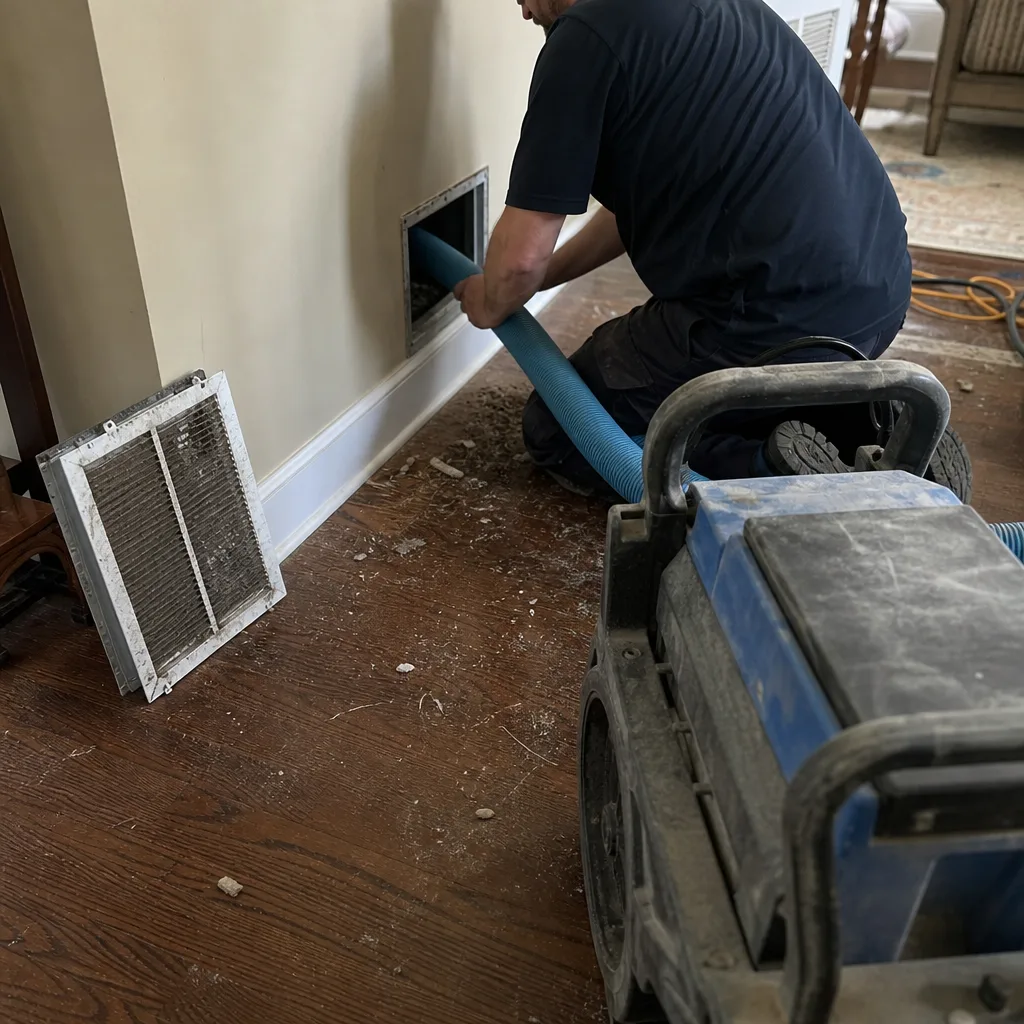 Before
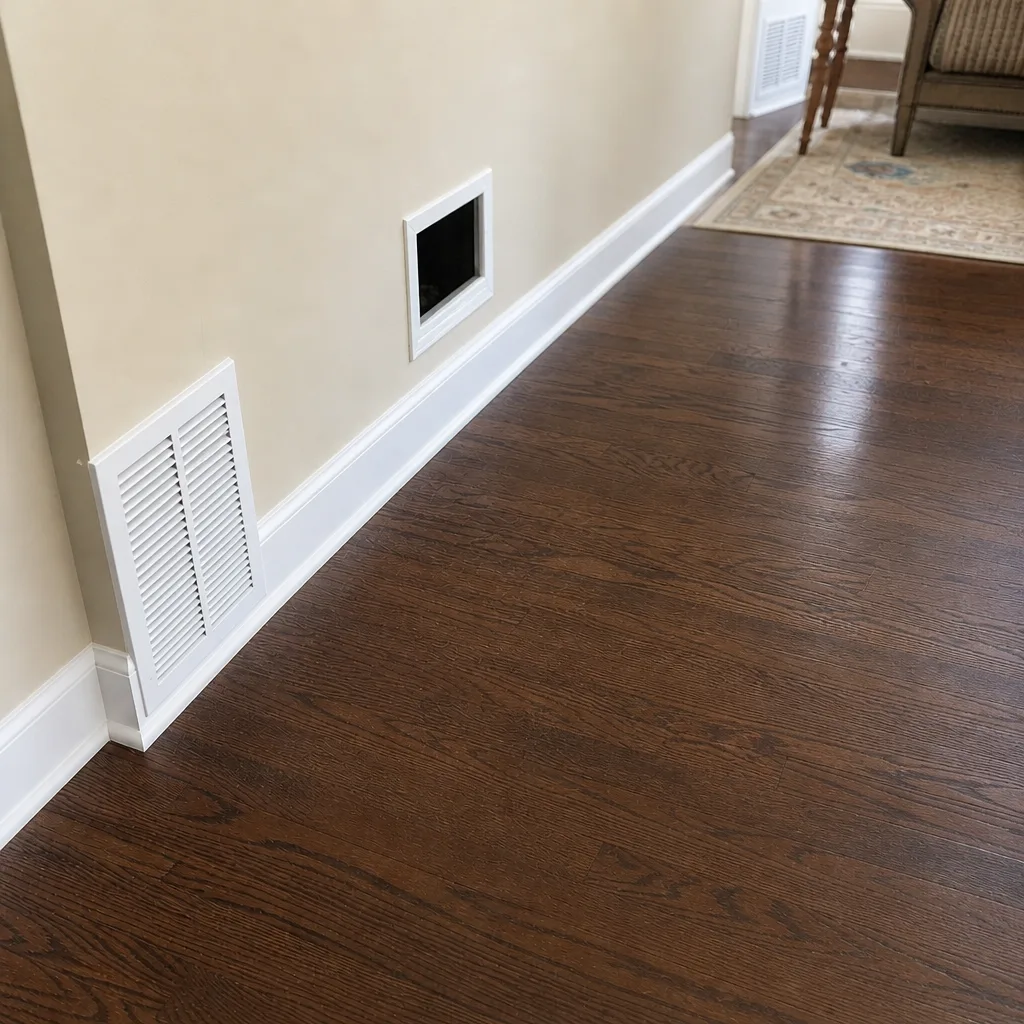 After
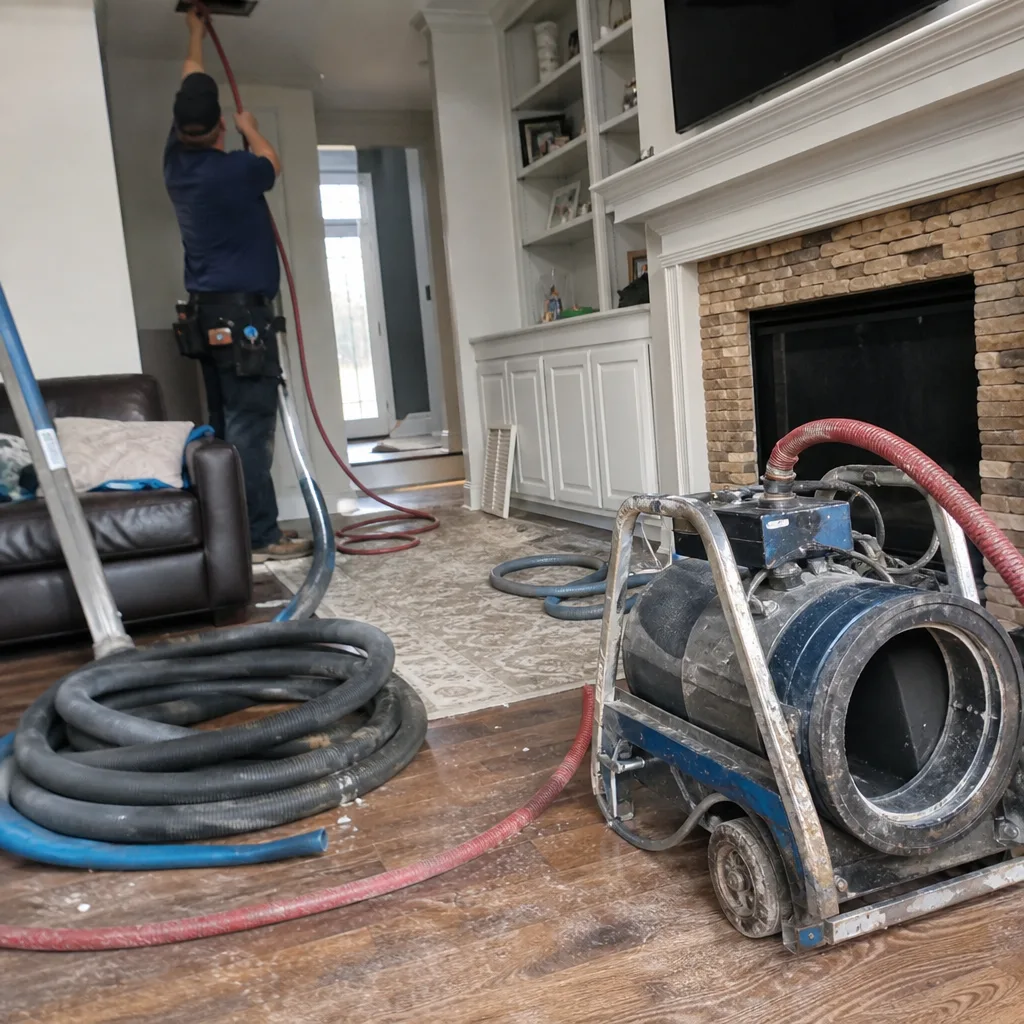 Before
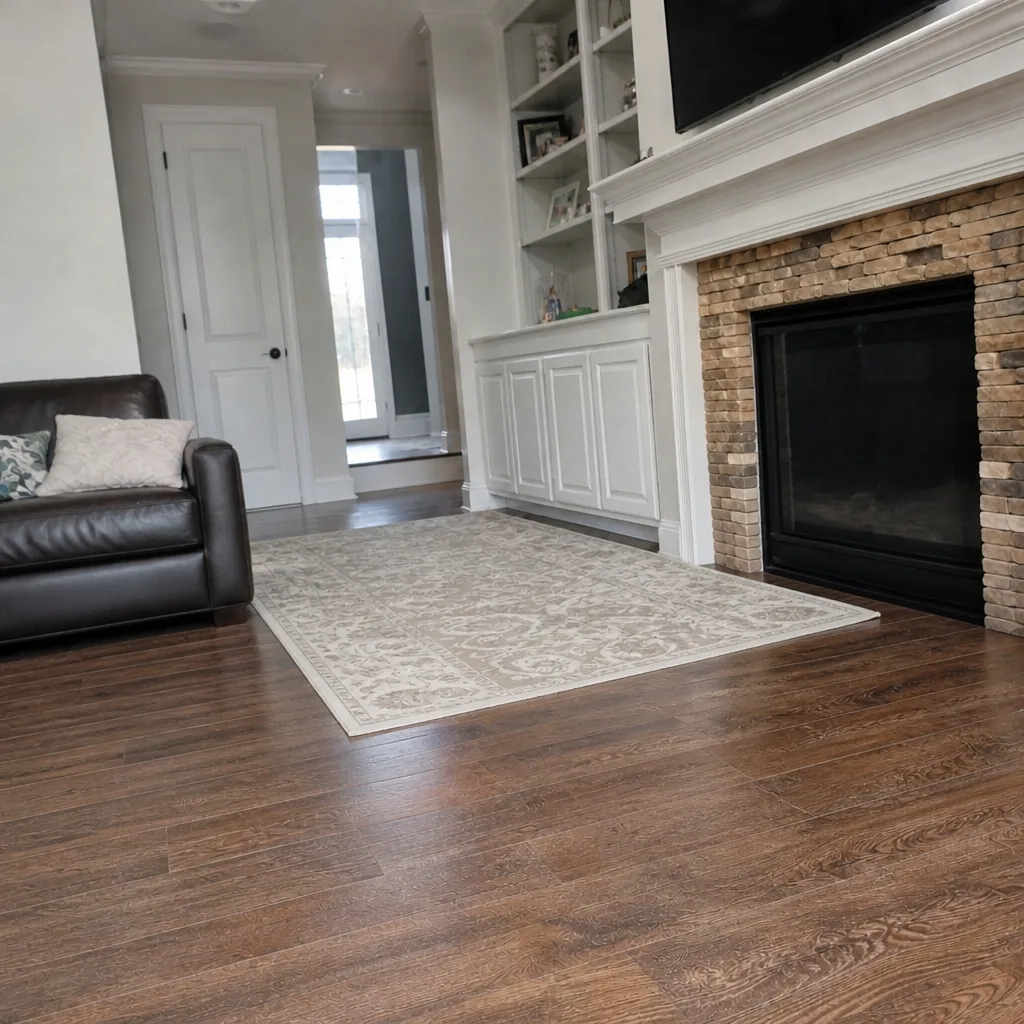 After
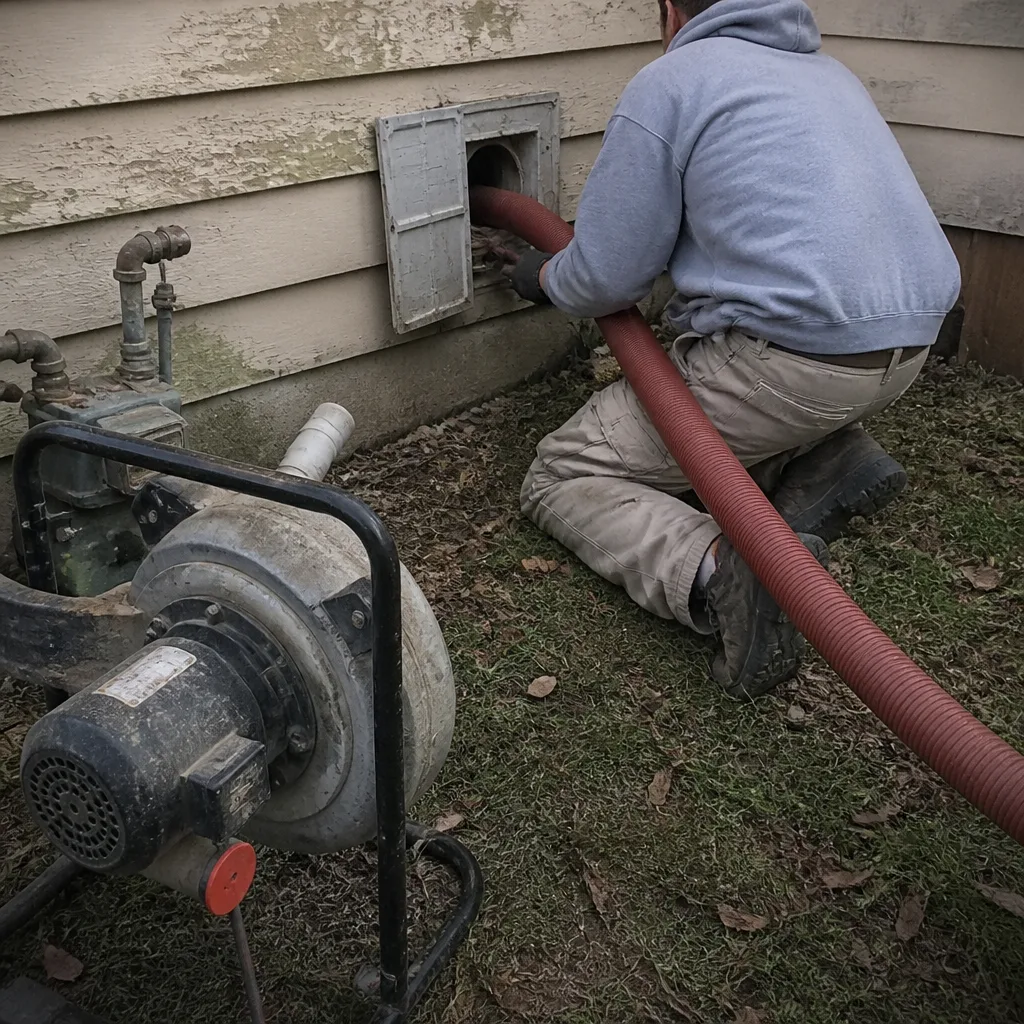 Before
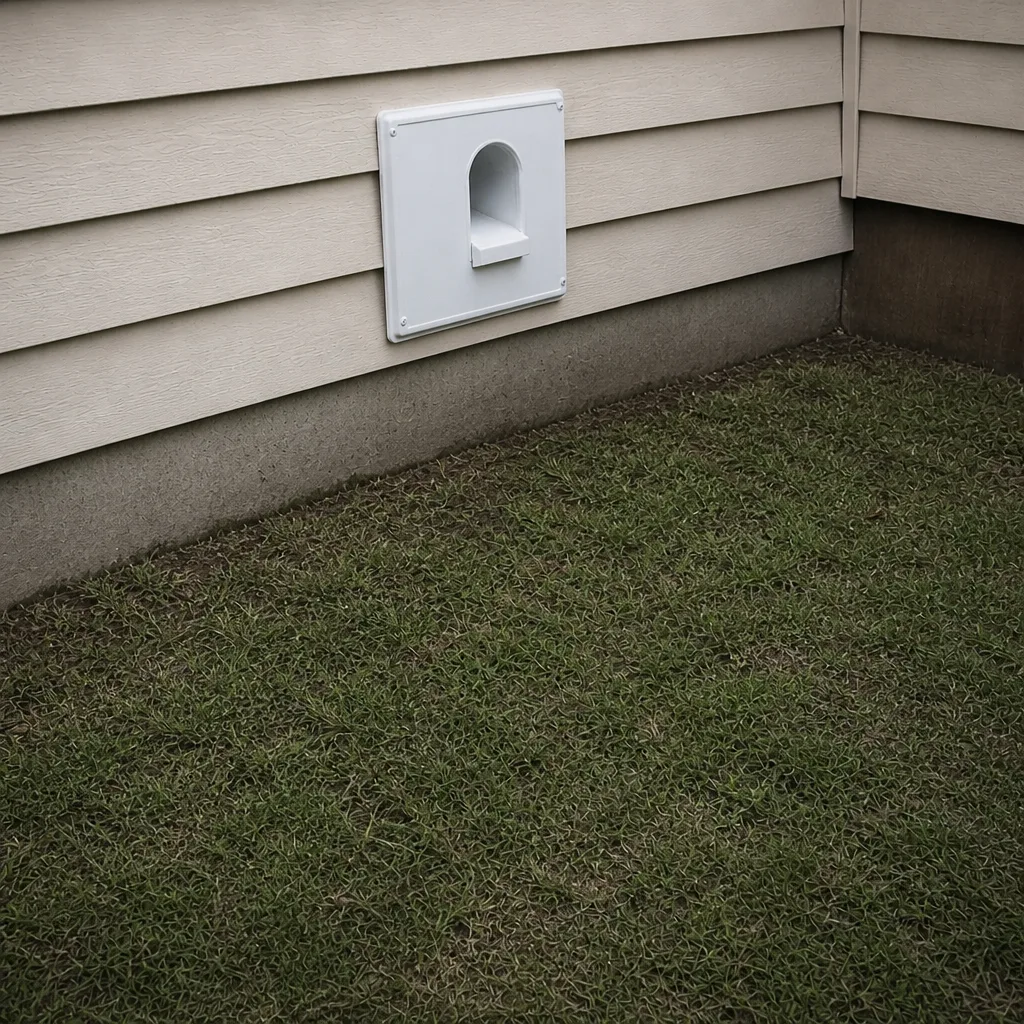 After
When to Call a Professional
Some duct concerns are obvious and others aren’t. The setups that call for a real inspection include visible dust blowing from registers shortly after cleaning them, musty or earthy odors when the HVAC system starts, persistent allergy or asthma symptoms that don’t ease indoors, and recent renovation or construction dust that spread through the home. Older homes with pre-1990 flex duct should be inspected regardless of symptoms, since collapsed runs and disconnected joints don’t always announce themselves. Visible dark growth inside a register or on the air handler insulation is a reason to stop guessing and have the system looked at. If your dryer takes much longer than it used to, treat that as a separate prompt to check the vent.
Duct Cleaning Nashville offers free estimates in Nashville – call (855) 473-8488. We answer 24/7. Fast dispatch from 7am to 7pm, Sunday through Friday. A call outside dispatch hours is booked into the next opening, Sunday through Friday, 7am to 7pm.
Frequently Asked Questions
The cost depends on system size, contamination level, and whether any duct repairs are needed – there’s no honest single number for every home. We don’t quote per-vent prices or a teaser flat fee. Instead, you get a written estimate for the whole system, agreed before work starts, so the invoice matches the quote. Call (855) 473-8488 for an exact quote – estimates are free.
Cheap quotes usually mean less equipment and less work – a compressed-air blow-through with light vacuuming rather than full source removal under negative pressure. The debris gets moved around and pushed into the living space rather than captured and removed. Ask what machine handles the capture and whether the quote covers the whole system. If the answer is vague, the price is telling you something. Call (855) 473-8488 to compare scope against price.
Before-and-after photos of your own duct interior are the standard we hold ourselves to, and you should ask any contractor for the same. On a professional job, you can also look for the negative air machine connected to the system, register covers removed, and contact cleaning tools in use. If none of that is visible, the work probably isn’t happening as described. Call (855) 473-8488 to book a job you can see evidence of.
Most homes don’t need it on a fixed schedule. Nashville’s humidity, pollen load, and older housing stock do shorten the interval, and homes with pets, recent renovation, or household members with respiratory concerns benefit from more frequent inspection. A practical rule: inspect first, then decide. Visual evidence of sediment or growth in the ducts is a better trigger than the calendar. Call (855) 473-8488 for an inspection and free estimate.
Cleaning can remove contamination, but remediation of mold in a duct system also requires finding and correcting the moisture source, or it returns. That’s where remediation-level equipment like Abatement Technologies air filtration matters – it lets the job be done without spreading spores through the home. Duct repair to fix leaking, damp sections is often part of the answer. Call (855) 473-8488 to talk through what your system needs.
We do both. Air duct repair is part of what we offer, so a cleaning job that turns up collapsed flex duct, disconnected joints, or damaged liner can be repaired by the same crew that found it. That avoids a second contractor, a second inspection, and a gap between cleaning and fixing. Call (855) 473-8488 to set up an estimate covering both.
The Bottom Line
Nashville’s rainfall and long cooling seasons put more moisture in duct systems than most national guides account for, and the city’s older housing stock brings duct damage that cleaning alone can’t solve. Real duct cleaning means source removal under negative pressure with equipment like the Rotobrush contact system and Nikro tools, plus inspection that catches collapsed runs and disconnected joints before a quote is written. Pair that with repair where needed and dryer vent cleaning on the same visit, and you get one accountable job instead of three handoffs. Verify with before-and-after photos, get a written flat price for the whole system, and you’ll have ducts you can actually trust.
One call covers your ducts, your dryer vent, and any repairs found along the way. Call (855) 473-8488. We answer 24/7. Fast dispatch from 7am to 7pm, Sunday through Friday. Estimates are free.
Written by the team at Duct Cleaning Nashville.