
Last updated November 15, 2026
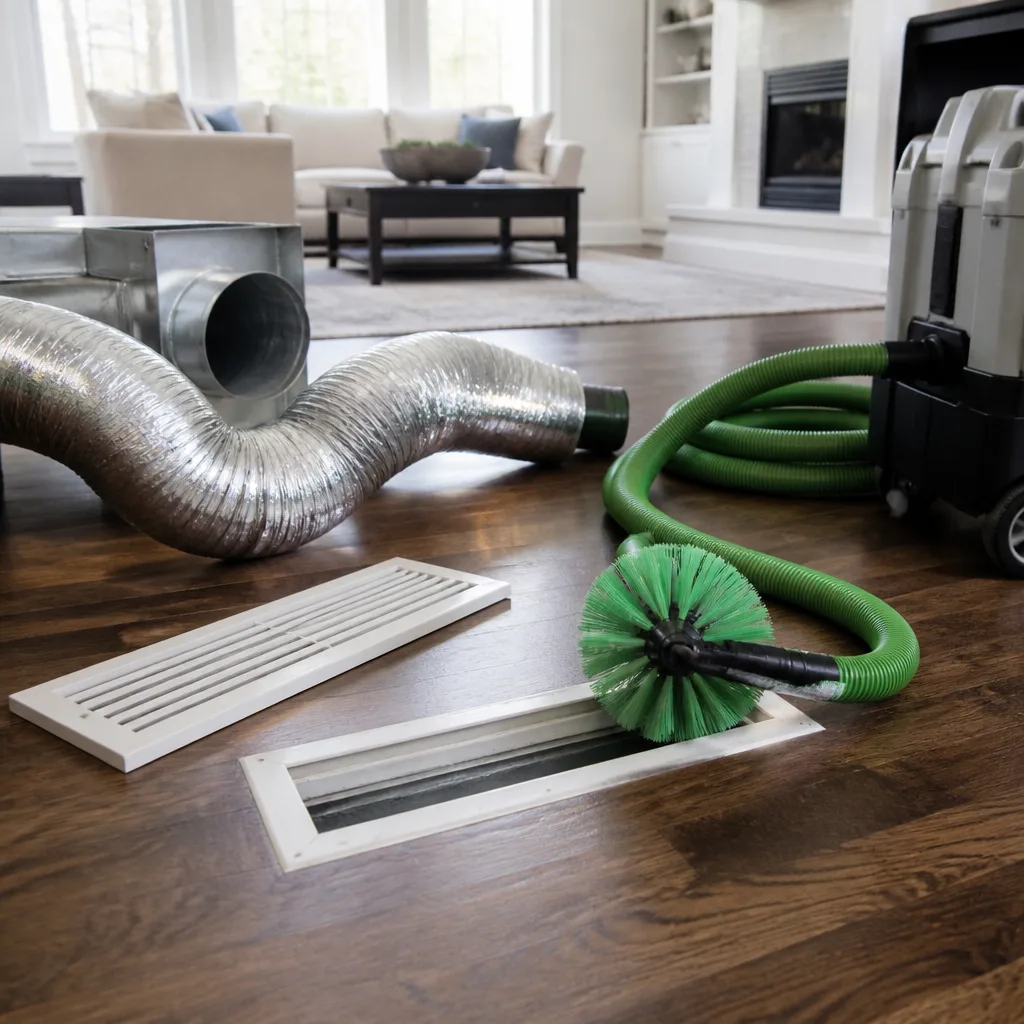 Whole-home duct cleaning
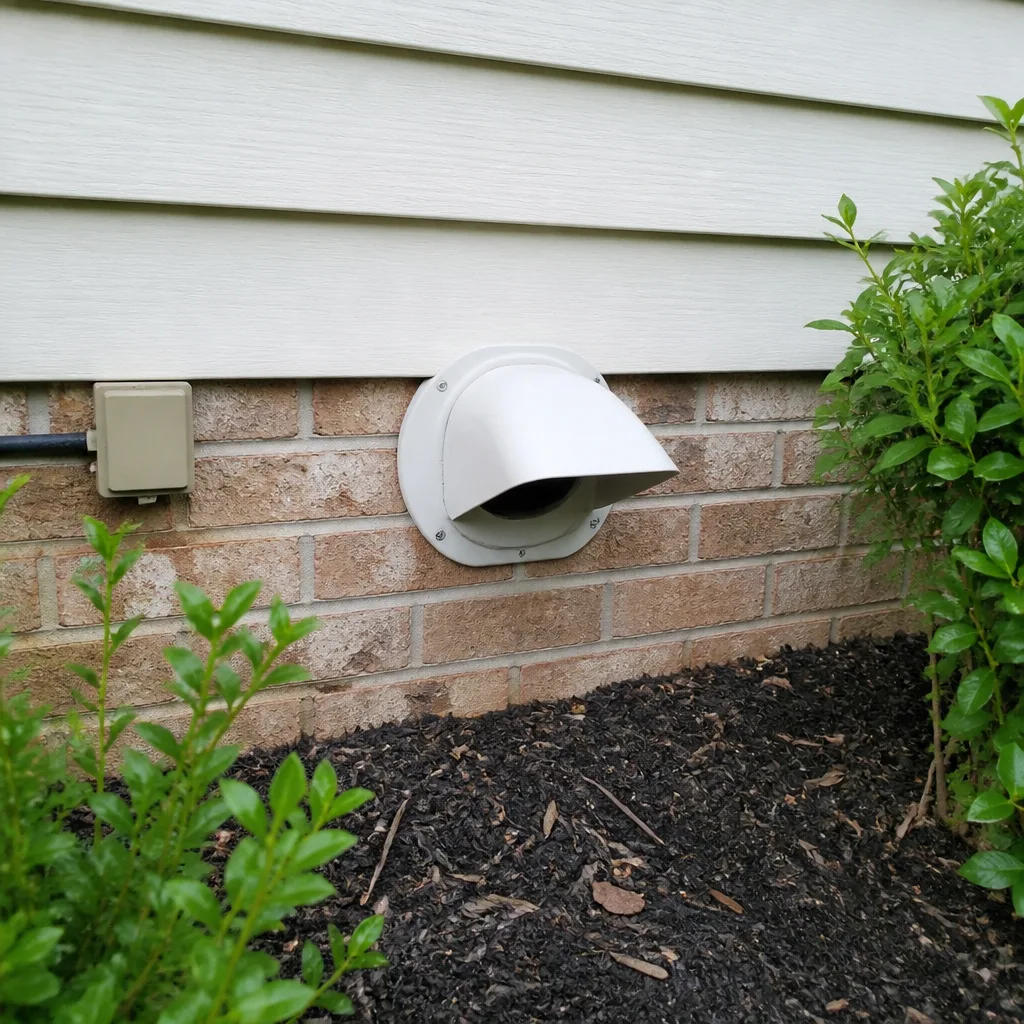 Dryer vent cleaning
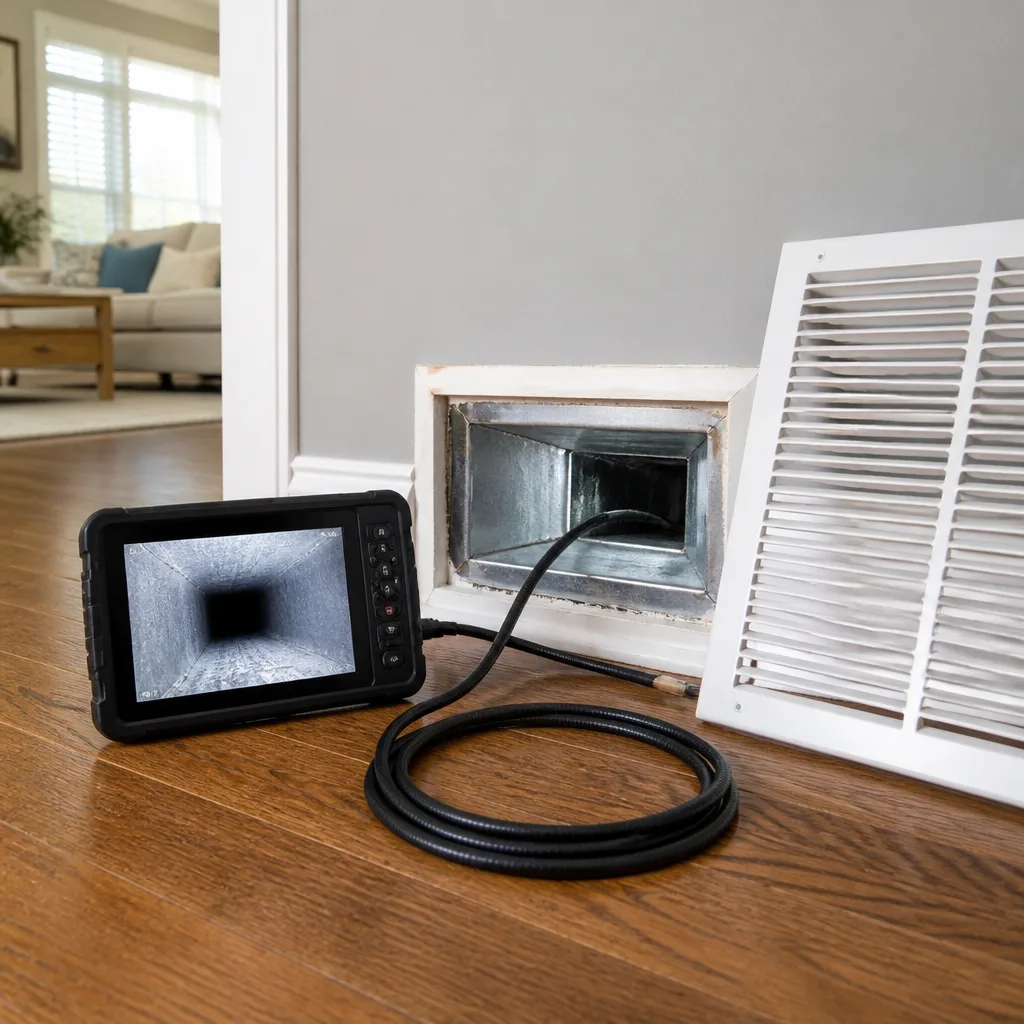 Camera inspection
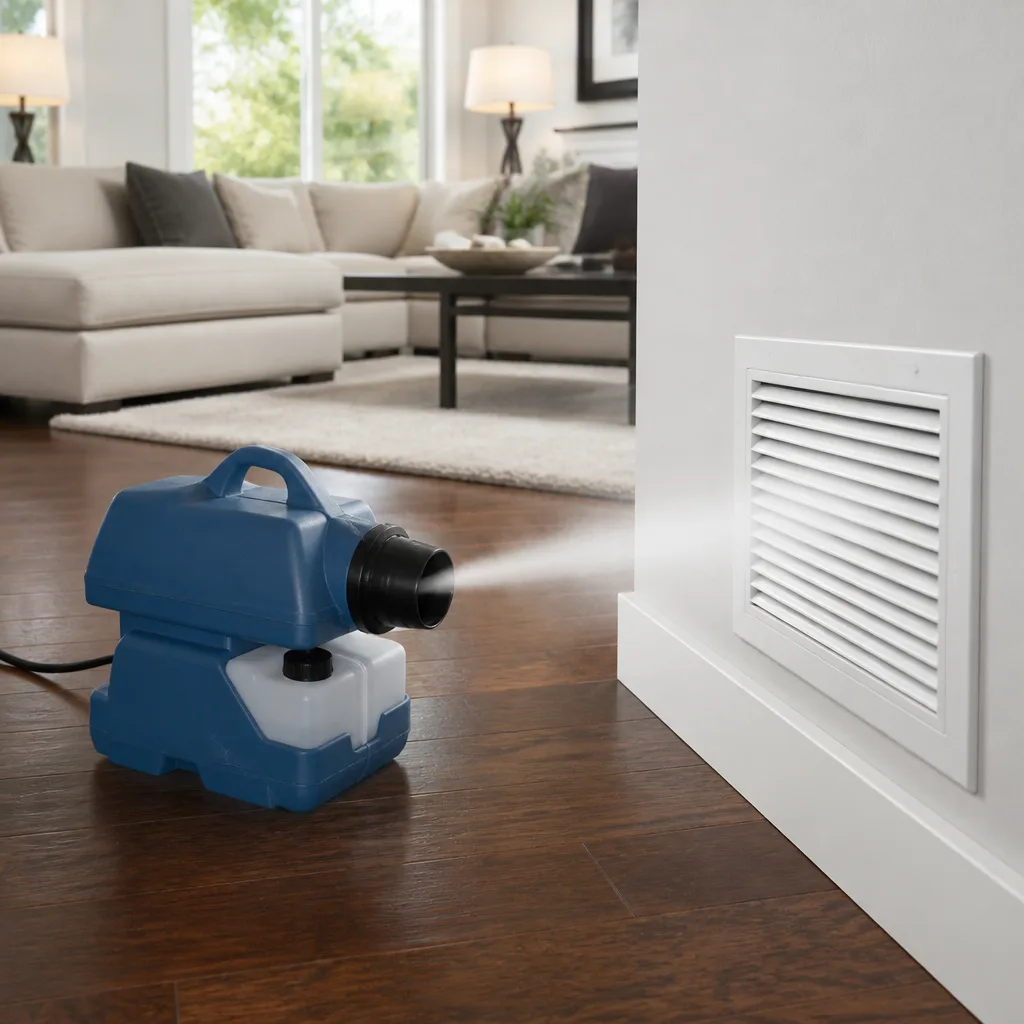 Sanitizing & deodorizing
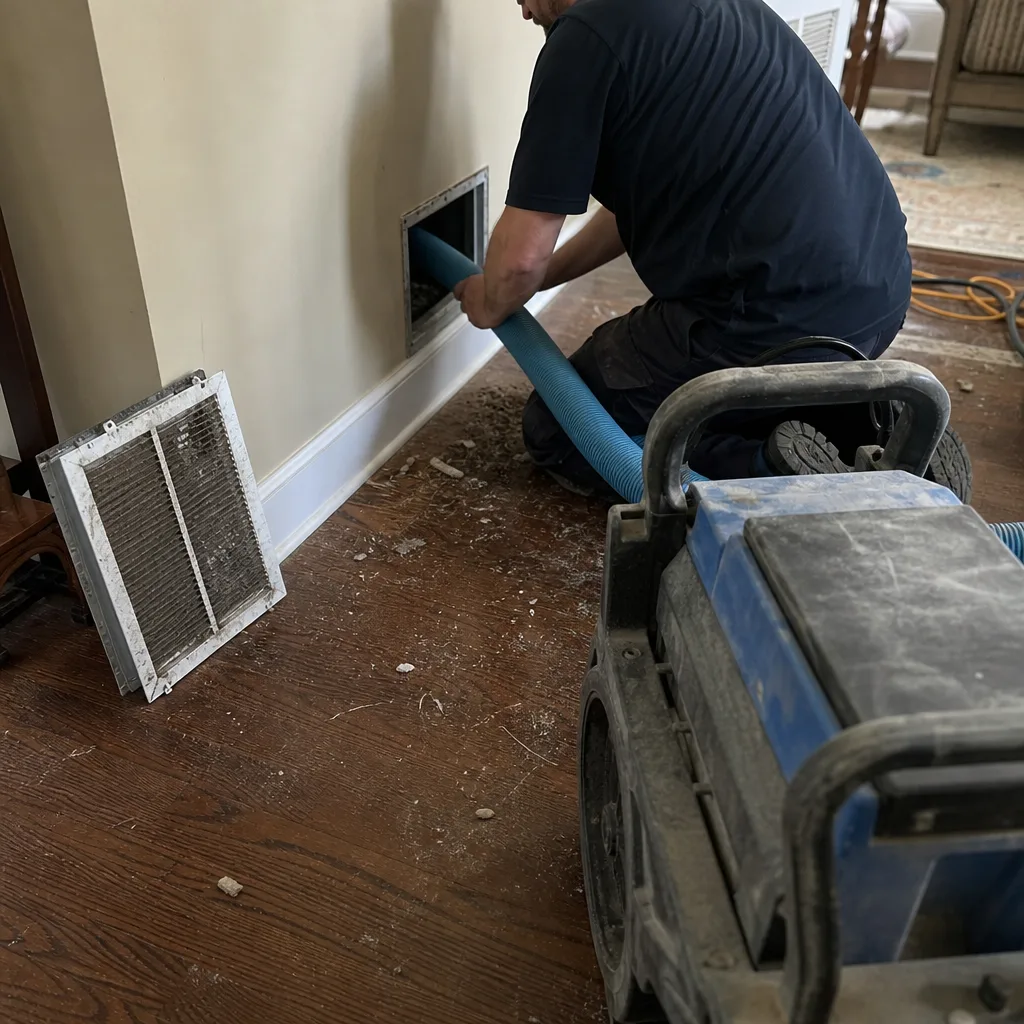
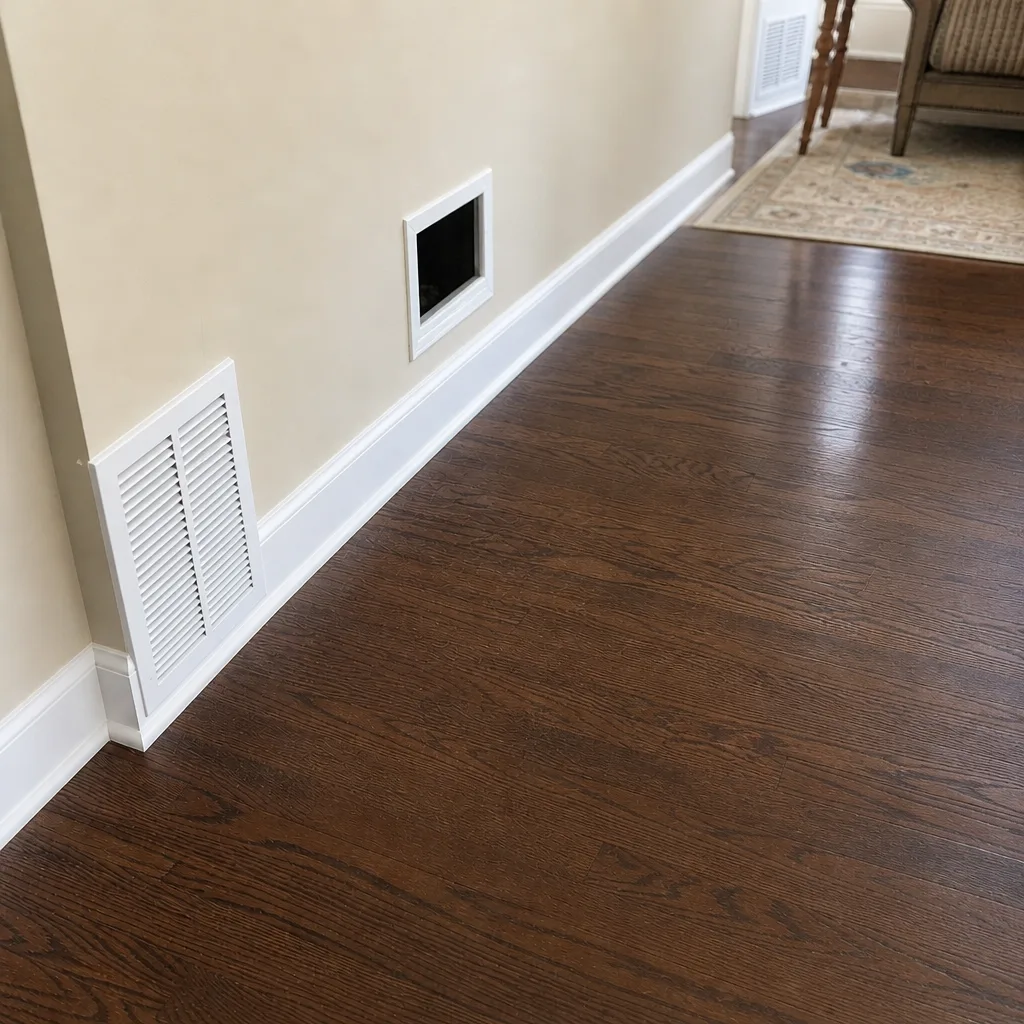
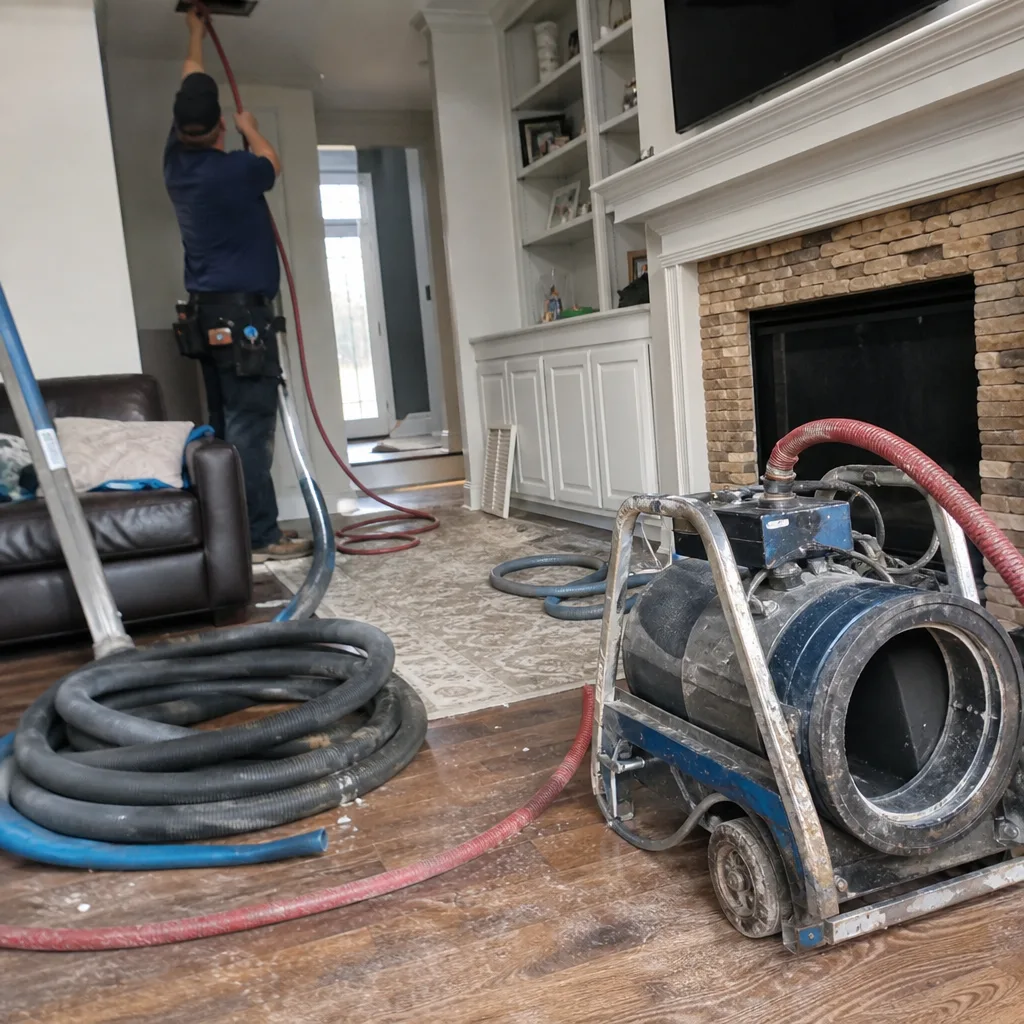
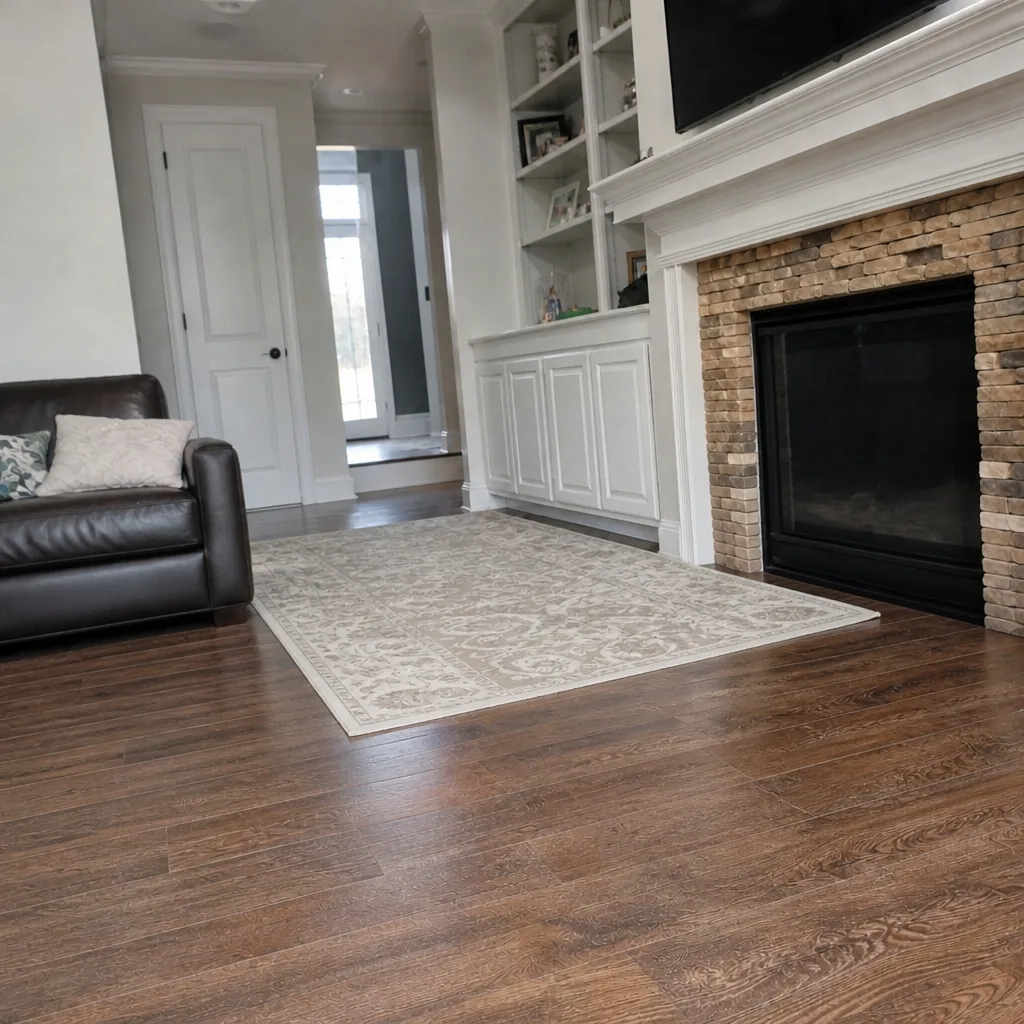
Whole-system duct and dryer vent check with before-and-after photos - you see exactly what came out of your vents
That "$99 whole-house special" is a bait ad - the real number appears once they are in your hallway, or the "clean" is a shop-vac at the register. We photograph the inside of your ducts before and after instead.
Choosing the Right Air Duct Cleaning Brand: A Buyer’s Guide for Nashville
Most homeowners in Nashville start their search the same way: type a company name into Google, scan the star rating, and book whoever looks busiest. That process has a blind spot. Two companies can carry identical five-star ratings and still be operating in completely different capability classes, because the reviews tell you how the visit felt, not what equipment showed up in the driveway. A crew running a contact-cleaning system built for ductwork is not the same as a crew running a shop vacuum with a long hose. Both may have happy customers. Only one is actually cleaning your ducts. This guide covers what separates those two operators, which questions expose the difference, and how to evaluate a duct cleaning company in Nashville before you book.
Quick Answer
The right air duct cleaning brand in Nashville is the one you can verify, not the one with the biggest ad budget. Look for professional-grade equipment (Rotobrush, Nikro, or Abatement Technologies), a documented cleaning process you can inspect, in-house duct repair capability, and a locally owned operator who will stand behind the work. A national franchise logo is not a proxy for any of those things. Ask about the equipment, the method, and the repair side of the business before you hand over a deposit.
Styles & brands we work with
- Whole-home duct cleaning
- Dryer vent cleaning
- Camera inspection
- Sanitizing & deodorizing
Table of Contents
- What Equipment Tiers Actually Exist in Duct Cleaning?
- Why Doesn’t a National Franchise Name Guarantee Equipment Quality?
- What Does “NADCA Certified” Actually Mean in Practice?
- What Questions Reveal a Nashville Operator’s Real Capability?
- Why Does Locally Owned Beat a National Franchise in Nashville?
- Can the Company Repair Ducts, or Just Clean Them?
- What Else Should a Full-Service Ventilation Provider Handle?
- Common Mistakes to Avoid
- When to Call a Professional
- Frequently Asked Questions
What Equipment Tiers Actually Exist in Duct Cleaning?
Commercial duct cleaning equipment falls into three rough tiers, and which tier shows up at your door changes the job entirely. The bottom tier is a portable shop vacuum with a rotating brush attachment. The middle tier is a portable cleaning machine with a hose reel and a HEPA filter. The top tier is a truck-mounted or trailer-mounted vacuum with a contact-cleaning brush system that agitates debris while pulling it out of the duct at high volume. That top tier is what commercial kitchens, hospitals, and post-remediation jobs use, and it’s what separates a real cleaning from a vacuum pass over the register grille.
Here’s the plain-language breakdown of the systems you’re most likely to encounter:
- Rotobrush is a contact-cleaning system with a rotating brush head on a flexible shaft. The brush physically scrubs the duct wall while the vacuum pulls the loosened debris back. It’s designed for residential branch lines where buildup clings to the metal or flex liner. It’s the system most respected residential operators carry, and the one we use as our baseline.
- Nikro is a professional HVAC cleaning tool line covering vacuums, brushes, and specialty attachments. A crew running Nikro equipment is doing component-level work, not just a main trunk pass.
- Abatement Technologies builds air filtration and negative-air equipment used in professional mold and construction remediation. Seeing Abatement equipment in a residential cleaning context signals the operator has the capability to contain dust during a job instead of blowing it through the house.
- Hypervac is a truck-mounted or high-CFM vacuum system. It moves a lot of air and is useful on large trunk lines. It’s often used as part of a two-machine setup combined with a contact brush, because high airflow alone won’t scrub buildup off the duct walls.
The reason the tier matters is simple: airflow moves loose dust, contact physically removes adhered buildup. A crew with only a high-volume vacuum will leave the scale on the duct wall. A crew with only a brush and a shop vacuum will loosen debris it can’t carry away. You want both, which is why a contact system paired with a high-CFM vacuum is the capability signature to look for.
Why Doesn’t a National Franchise Name Guarantee Equipment Quality?
A national franchise sells a brand, a training program, and a marketing package. The equipment is set by the individual franchisee, who buys whatever fits the budget for that franchise location. That means one franchisee in Nashville might run a full contact-cleaning setup while a franchisee in another part of the city runs a portable machine. The logo on the truck tells you who owns the marketing, not what’s in the trailer.
This is why brand-name shopping fails as a buyer strategy. The nationwide name is a marketing proxy. It doesn’t tell you:
- What vacuum CFM the crew is running on the day of your appointment.
- Whether the cleaning method includes a contact brush or is air-wash only.
- Whether the technician is an employee of that franchise or a subcontractor.
- Whether the local operation can handle a duct repair, or has to refer you out.
- What the local owner’s incentive is: national ad spend recovery, or repeat business from a neighborhood they live near.
For a homeowner researching air duct cleaning, the practical move is to treat the brand as a starting filter and the equipment as the final filter. A national name gets you to the website. A few direct questions get you to the real answer. We’ve seen enough jobs in this market to be confident that the equipment question is the single most useful screen a homeowner has, and it’s free to ask.
What Does “NADCA Certified” Actually Mean in Practice?
NADCA stands for the National Air Duct Cleaners Association, and its certification is built around a written standard called ACR (Assessment, Cleaning, and Restoration of HVAC Systems). A certified firm has agreed to follow that standard’s process expectations: a documented assessment before cleaning, an agreed scope of work, protection of the system’s components during cleaning, and verification that the work was completed. That’s genuine substance, and any operator carrying the certification should be given credit for it.
What ACR does not do is specify which equipment or brand of equipment a cleaning firm must run. Two certified firms can clean to the same standard while running different machine tiers. That’s the gap many homeowners miss. Certification verifies the process commitments. Equipment verification confirms the operator can actually execute them at the level the standard describes. Both checks are part of honest due diligence.
Here’s how to run both checks in a phone call:
- Ask about the certification. Note which standard it references and whether the firm has a documented assessment step in its process.
- Ask about the equipment. Specifically: contact brush system, high-CFM vacuum, or both. Ask for the make.
- Ask about the cleaning method. “Contact” and “air-wash” are not the same thing, and the answer tells you what to expect in terms of duct wall contact.
- Ask whether the company can repair a duct found during the cleaning, or hands the repair off. Duct integrity issues – holes, loose joints, disconnected runs – get found during cleaning, and a cleaning-only operator has to stop and refer.
A firm that answers all four without hesitation is operating above the market average. A firm that pivots to a discount offer instead is telegraphing what it values.
What Questions Reveal a Nashville Operator’s Real Capability?
You can score a duct cleaning company on about ten minutes of conversation. The goal isn’t to grill a technician on the phone; it’s to hear whether the answers are technical or marketing. Here’s the question set we think every homeowner should use, in order, because each answer narrows the field for the next one:
- “What equipment will the crew bring, and who makes it?” You’re listening for a manufacturer name (Rotobrush, Nikro, Abatement Technologies). A vague “professional equipment” answer is a flag.
- “Do you use a contact brush, a high-CFM vacuum, or both?” Both is the answer you want. Contact removes adhered buildup; high CFM carries it out.
- “How do you verify the ducts are clean before you leave?” Before-and-after photos of your own duct interior is the standard you should expect. A verbal “it looked clean” is not verification.
- “Can you repair a duct if you find a problem during cleaning, or do you refer it out?” Repair capability in-house means one appointment, one accountable point of contact.
- “Is the price per system or per vent?” Per-system pricing sets one flat price before work starts. Per-vent pricing invites a very different total once the technician is inside your house counting vents.
- “Who is the local owner, and is the company locally owned?” Locally owned operators have skin in the Nashville market.
The HVAC cleaning tools a crew carries are its resume. A company that can name its equipment and explain the difference between contact and air-wash cleaning has invested in the business and knows what the investment buys. A company that can’t answer either question is telling you something useful.
Why Does Locally Owned Beat a National Franchise in Nashville?
Nashville is a fast-growing housing market with a broad mix of building stock, from older brick homes in East Nashville and Green Hills to newer construction in the suburbs. Different property types produce different duct problems. Older homes often have ductwork that’s been modified more than once, which means disconnected runs and loose joints show up more often during cleaning. Newer homes can have construction dust from the build still sitting in the system. Locally owned operators in this market see both, and they build an equipment and capability stack that reflects the actual property mix they work with.
That’s the practical argument for choosing locally owned. It’s not sentiment. It’s accountability and equipment investment patterns:
- Accountability. A local owner’s reputation in Nashville is tied to word of mouth, neighborhood referrals, and repeat business. A franchise owner has a national call center to fall back on.
- Equipment investment. A locally owned operator has to justify commercial-grade equipment with their own balance sheet. That’s a harder decision, and a more durable one.
- Repair scoping. A local operator who can scope and execute duct repair work in-house avoids the hand-off. A franchise or chain often routes repair work to a separate vendor.
- Response time. A locally owned operation answers the phone with someone who knows the local housing stock, not a script that covers forty states.
We watch this play out in our own work: the jobs we’re brought in to finish after a cheap quote fall through are, more often than not, jobs that started with a per-vent teaser price and a small portable vacuum. The customer was sold on the phone, not on the equipment.
Can the Company Repair Ducts, or Just Clean Them?
Cleaning-only operators and full-scope operators are two different businesses. A cleaning-only operator runs the brush, pulls the debris, and writes an invoice. If the pass turns up a disconnected run, a crushed flex liner, a gap at a boot, or a joint that’s been pulled apart by a prior renovation, that operator has to stop and refer. The homeowner then faces a second company, a second estimate, and a gap in the schedule while the system sits half-clean. A full-scope operator handles the repair as part of the same visit and documents the fix.
Duct repair matters more in Nashville than many homeowners expect, because the housing stock is older on average than new construction suburbs and it’s been through multiple upgrades. A home that’s had a system replacement, an HVAC relocation, or a room addition added has a good chance of duct modifications that weren’t fully sealed. Those show up as:
- Loose joints and separated runs at the plenum or trunk.
- Crushed or kinked flex duct in tight attic or crawl spaces.
- Unsealed boots at the floor or ceiling register.
- Tears in the duct liner from rodents or prior poor installs.
Air loss at any of these points means you’re paying to condition air that never reaches the room. The duct cleaning pass is exactly when those issues become visible, so having the repair capability in-house is a genuine advantage. Ask the question directly: “If you find a disconnected duct, do you fix it or refer it?” There’s no wrong answer if the operator is honest, but the right answer for your schedule is “we fix it.”
What Else Should a Full-Service Ventilation Provider Handle?
A house has more than one duct system, and duct cleaning is only one of the ventilation services that affects how a home performs. The two adjacent service lines worth asking about are dryer vent cleaning and whole-home air quality equipment. Both fall inside the same professional’s wheelhouse, and both are routinely skipped by cleaning-only operators.
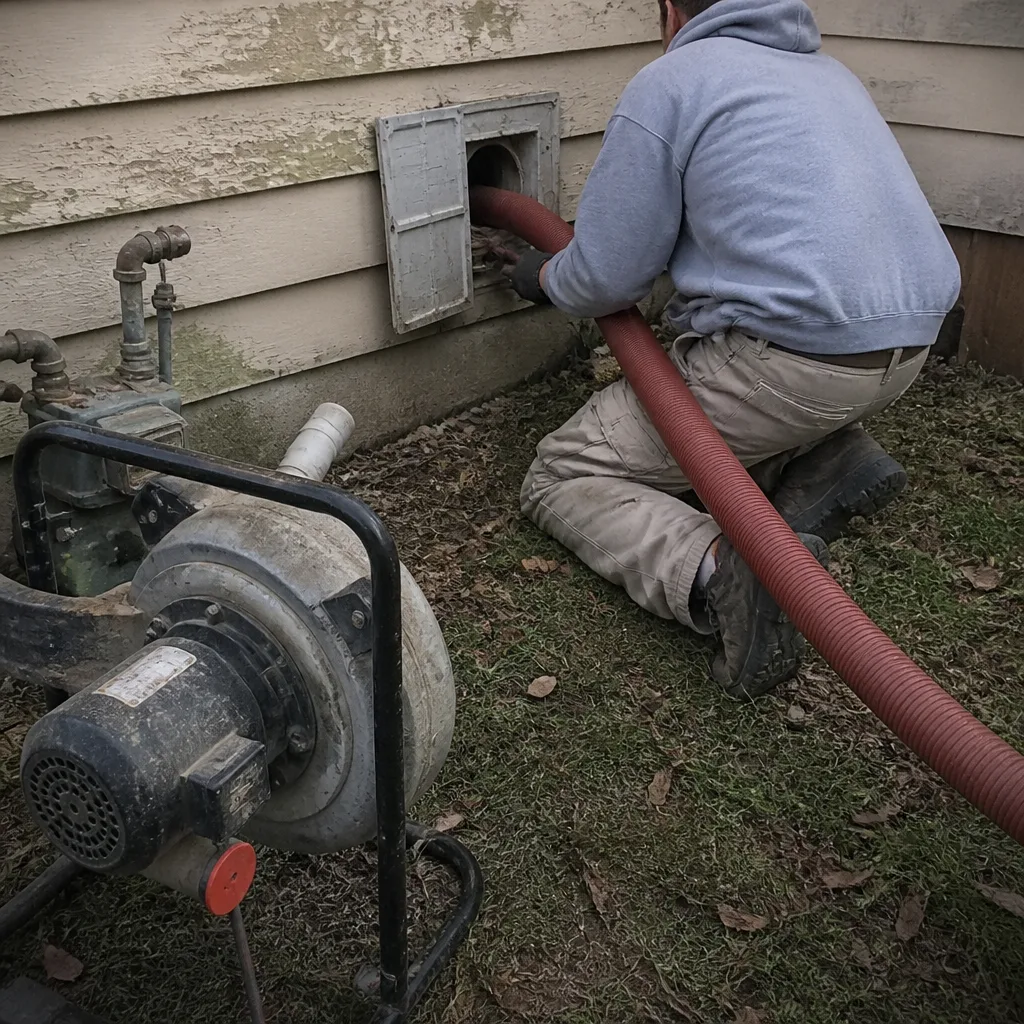
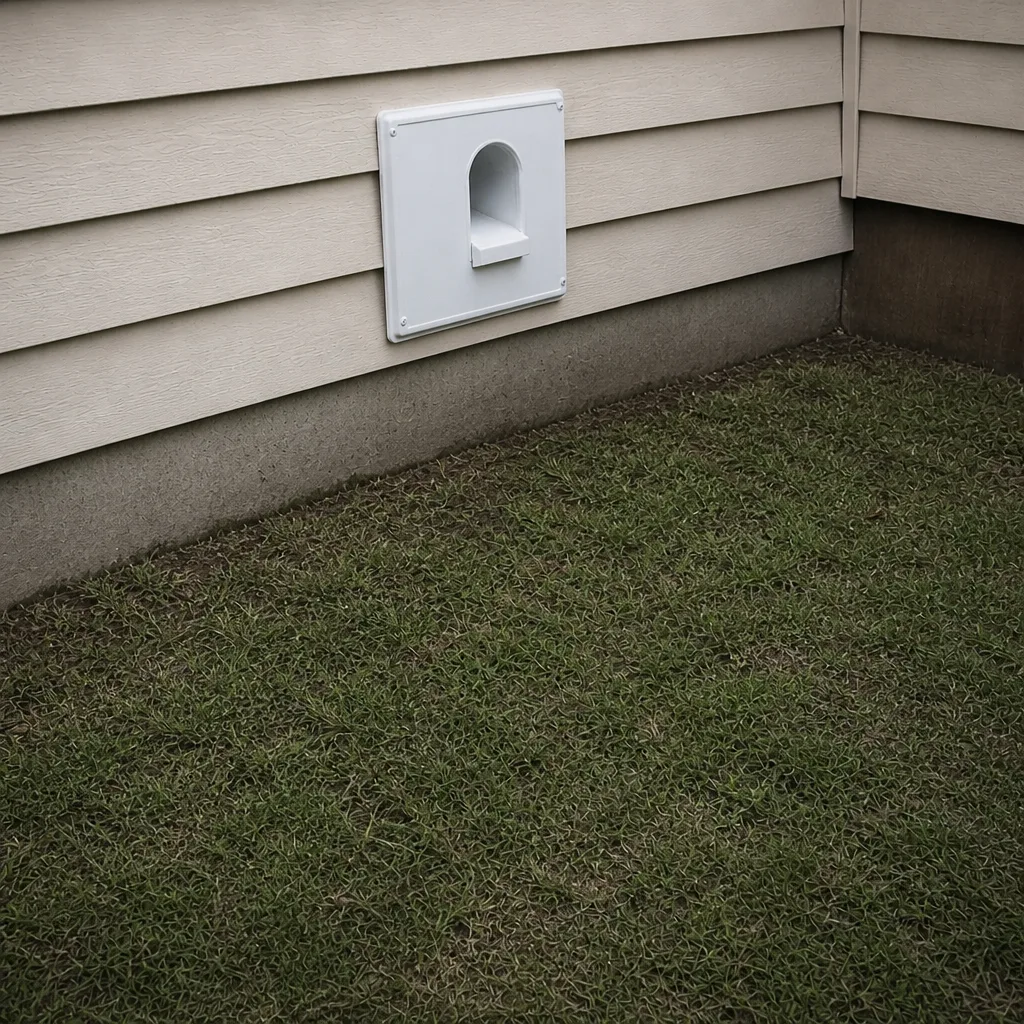
Dryer vents are a fire concern first and an efficiency concern second. Lint accumulation in the vent run restricts airflow and traps heat, and the vent line is one of the few places in a house where that combination is genuinely dangerous. A dryer vent cleaning is a short service, and it’s often best bundled with a duct cleaning since the technician is already on site with the vacuum equipment. Ask whether the company offers it as a standalone service; a yes is a strong signal the operator covers the whole ventilation envelope rather than one slice of it.
On the air quality side, the equipment brands that matter for post-cleaning upgrades are the filtration and humidification lines most homes already have or are close to installing. Honeywell and Aprilaire systems are common in mid-range and higher-end Nashville homes, and familiarity with them lets a company recommend a filter or humidifier upgrade that fits the existing system instead of a bolt-on that fights it. We also work around Guardsman products where a homeowner has them installed. The point isn’t to sell an upgrade on every visit. It’s that a provider who knows the equipment can advise on it, and a cleaning-only operator can’t.
Here’s what a full-service ventilation provider should be able to cover:
- Air duct cleaning, whole-system, with a contact brush and high-CFM vacuum.
- Duct repair: sealing, resecuring, and replacing compromised runs.
- Dryer vent cleaning as a standalone service and as part of a whole-home package.
- Post-cleaning air quality advising on Honeywell and Aprilaire systems.
- Dryer vent cleaning and whole-home duct cleaning scheduled on the same visit when both are due.
- Before-and-after documentation of the duct interiors.
Common Mistakes to Avoid
- Booking the per-vent teaser price. A per-vent quote has no ceiling. The final invoice depends on how many vents the technician counts once they’re inside, and every extra register adds to the bill. Ask for a per-system flat price in writing instead.
- Treating the review score as the whole story. Reviews capture the visit experience, not the equipment tier. Two five-star companies can be operating ten years apart on capability. Verify equipment before you book.
- Assuming a national franchise means consistent equipment. Franchisees set their own equipment levels. The logo is a marketing asset, not a specification. Ask what machine is coming to your house.
- Booking a cleaning-only operator when you have a repair concern. If you’ve noticed a room that never heats or cools right, or ductwork that’s been modified, book an operator with repair capability in-house so the fix and the cleaning happen in one visit.
- Skipping the dryer vent while you’re at it. The dryer vent is a separate system with its own fire risk, and it’s often cheaper and easier to have it done during the same appointment as your dryer vent cleaning.
- Accepting a verbal “it’s all clean” without documentation. Before-and-after photos of your own ducts are the standard you should hold a company to. A verbal sign-off is not verification.
- Choosing based on the largest ad spend rather than the equipment list. Paid search positions are bought, not earned. The equipment and process questions are the real filter.
When to Call a Professional
Some duct conditions warrant a professional visit rather than another season of waiting. Call a professional if you’ve recently finished a renovation or a home build and can see dust settling quickly on surfaces, if anyone in the house has allergy or asthma symptoms that seem tied to the HVAC running, if you notice uneven airflow between rooms, or if the ductwork has ever been opened for a repair or system replacement and left partially sealed. Call a professional immediately if you smell something musty or see visible moisture inside a register; that’s a mold concern and it should be assessed, not cleaned over. If your dryer is taking longer than it used to, that’s the dryer vent, and it’s a fire-safety call, not a convenience call. Duct Cleaning Nashville offers free estimates in Nashville. Call (855) 473-8488. We answer 24/7. Fast dispatch from 7am to 7pm, Sunday through Friday.
Frequently Asked Questions
Air duct cleaning in Nashville is priced per system, not per vent, and the range depends on the size and complexity of the ductwork. A written estimate is the final number, and we don’t quote a teaser price on the phone that changes once the technician is inside. A contact-cleaned system with a high-CFM vacuum costs more than an air-wash-only pass because it removes more. Call (855) 473-8488 for an exact quote; estimates are free.
Cheap quotes are usually cheap because they’re pricing a different service. A per-vent teaser price covers a portable vacuum pass over the registers, not a whole-system contact clean. The equipment tier is the cost driver: a Rotobrush contact system and a high-CFM vacuum cost real money to run, while a shop vacuum and a hose reel don’t. When two quotes are far apart, the gap is almost always the equipment and the method. Call (855) 473-8488 and we’ll walk you through what’s actually included in a per-system quote.
Before-and-after photos of your own duct interiors are the standard, and any operator who can’t or won’t provide them is a poor bet. A photo taken inside a branch line before the contact brush and after shows the difference between adhered buildup and a scrubbed duct wall. We document every job this way. Ask for it before you book; the answer tells you whether the company expects to be checked.
There’s no fixed calendar. Most homes benefit from a professional clean when there’s a reason: after a renovation, after moving in, when allergy symptoms show up with the HVAC running, or after a system replacement. A home with pets, a smoker, or recent construction will need it more often than a low-traffic home. The right interval depends on the house, not a maintenance schedule. Call (855) 473-8488 to talk through your situation.
We use Rotobrush contact-cleaning equipment and Nikro HVAC cleaning tools on every job, plus Abatement Technologies filtration equipment where a job calls for dust containment. That’s the same equipment category used in commercial and remediation-grade projects, not entry-level consumer machines. We don’t run a Hypervac trailer, but our contact-plus-high-CFM setup covers the residential branch lines where buildup actually adheres. Call (855) 473-8488 and we’ll tell you exactly what’s coming to your house.
Yes. Air duct repair is a core service, done in-house, not subcontracted. When a cleaning pass turns up a disconnected run, a crushed flex section, or an unsealed boot, we scope and execute the repair as part of the same job. That’s a real difference from a cleaning-only operator, who has to stop and refer. Call (855) 473-8488 to book an assessment.
The main difference is who sets the equipment standard. A franchisee buys their own equipment and a national logo doesn’t change that. Locally owned operators in Nashville invest in their own equipment, scope their own repair work, and answer the phone with someone who knows the local housing stock. Our technicians have up to 9 years of experience, and we run the same Rotobrush and Nikro equipment on every job. For a full picture of our service offering, start with Duct Cleaning Nashville.
The Bottom Line
Brand shopping in the duct cleaning market rewards the wrong signal. The five-star reviews you flip through don’t tell you what equipment shows up, and the national logo on the truck doesn’t either. The real differentiators are the ones you can verify with a few direct questions: a named contact-cleaning system, a high-CFM vacuum, a documented cleaning process with before-and-after photos, in-house repair capability, and a locally owned operator who will stand behind the work. Use the question set in this guide before you book. Ask what machine is coming, ask whether the crew can fix a duct if it finds a problem, and ask whether the price is per system or per vent. Those three answers narrow the field faster than any review page. When you’re ready to talk through your own house, call (855) 473-8488 for a free estimate. We answer 24/7. Fast dispatch from 7am to 7pm, Sunday through Friday.
Written by the team at Duct Cleaning Nashville.
See the difference
 Before
 After
 Before
 After
 Before
 After