
Last updated November 15, 2026
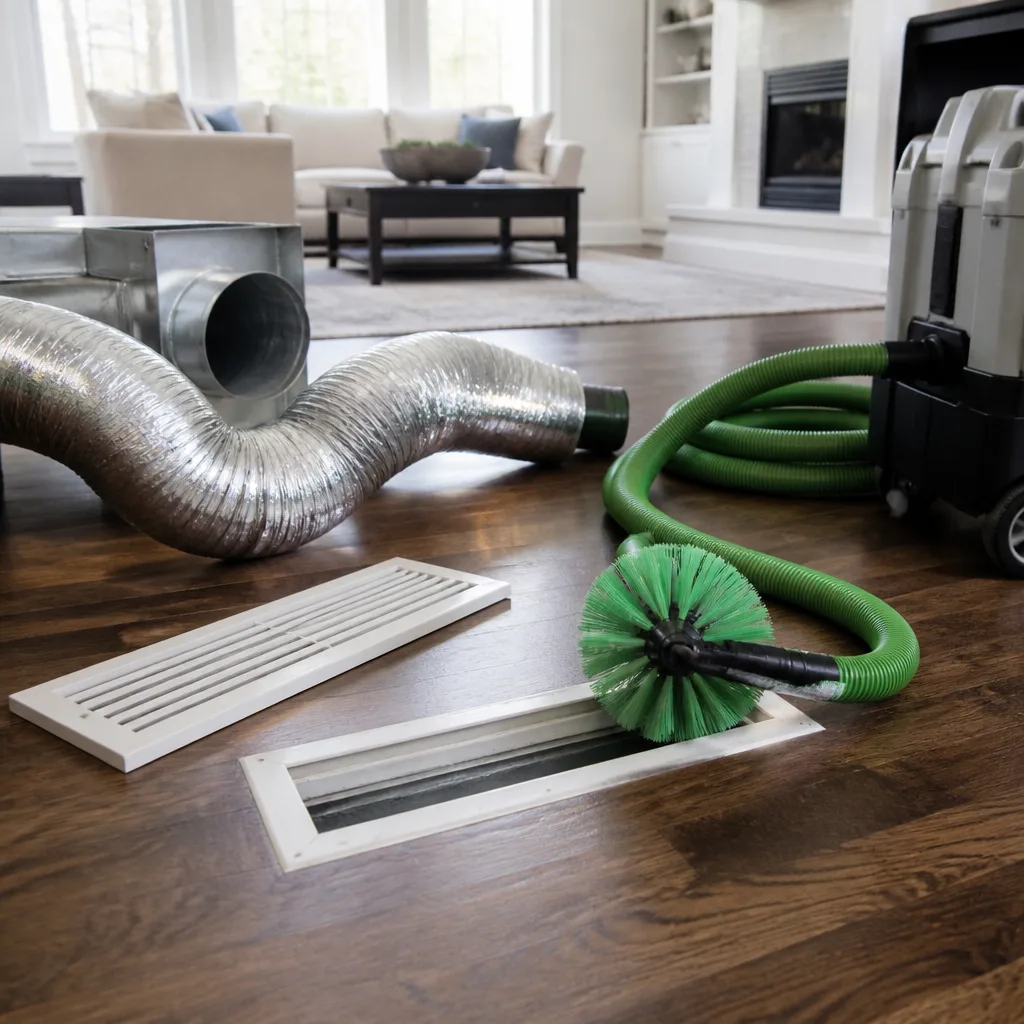 Whole-home duct cleaning
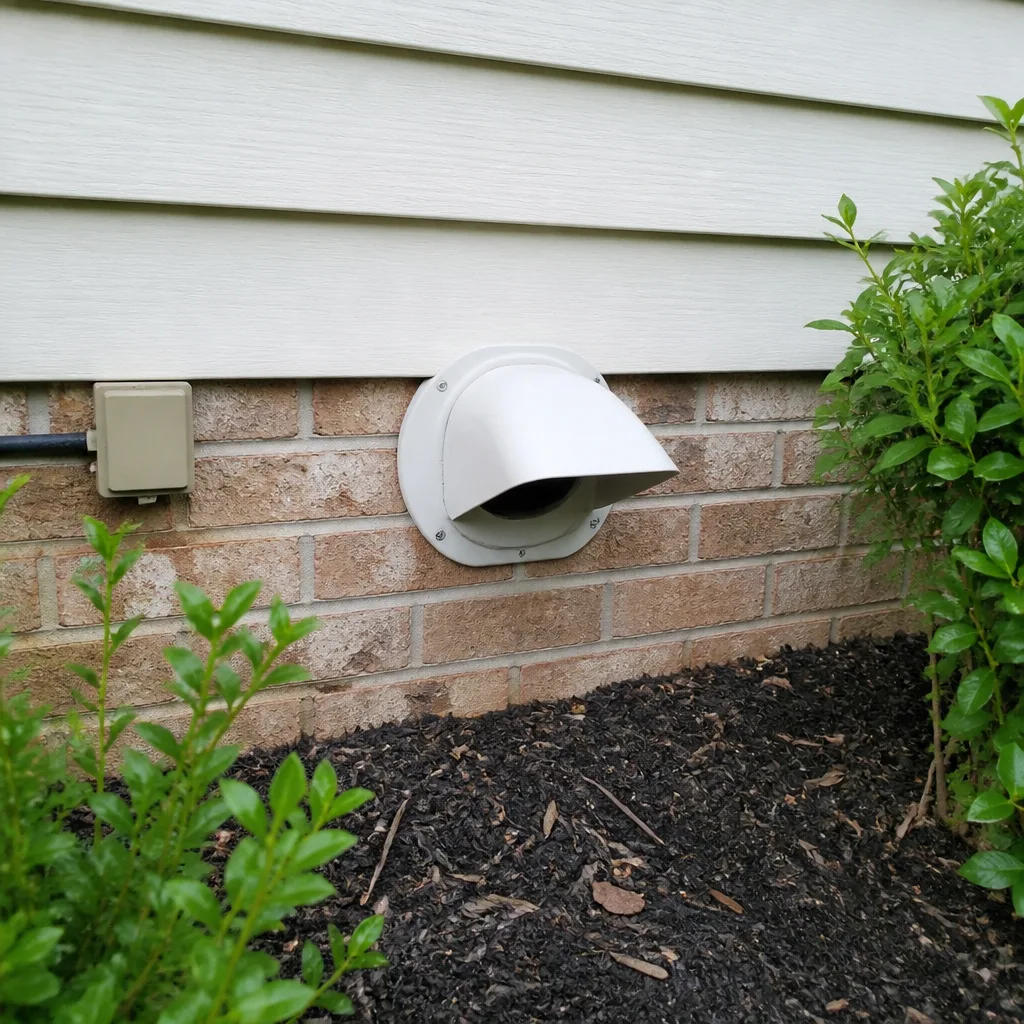 Dryer vent cleaning
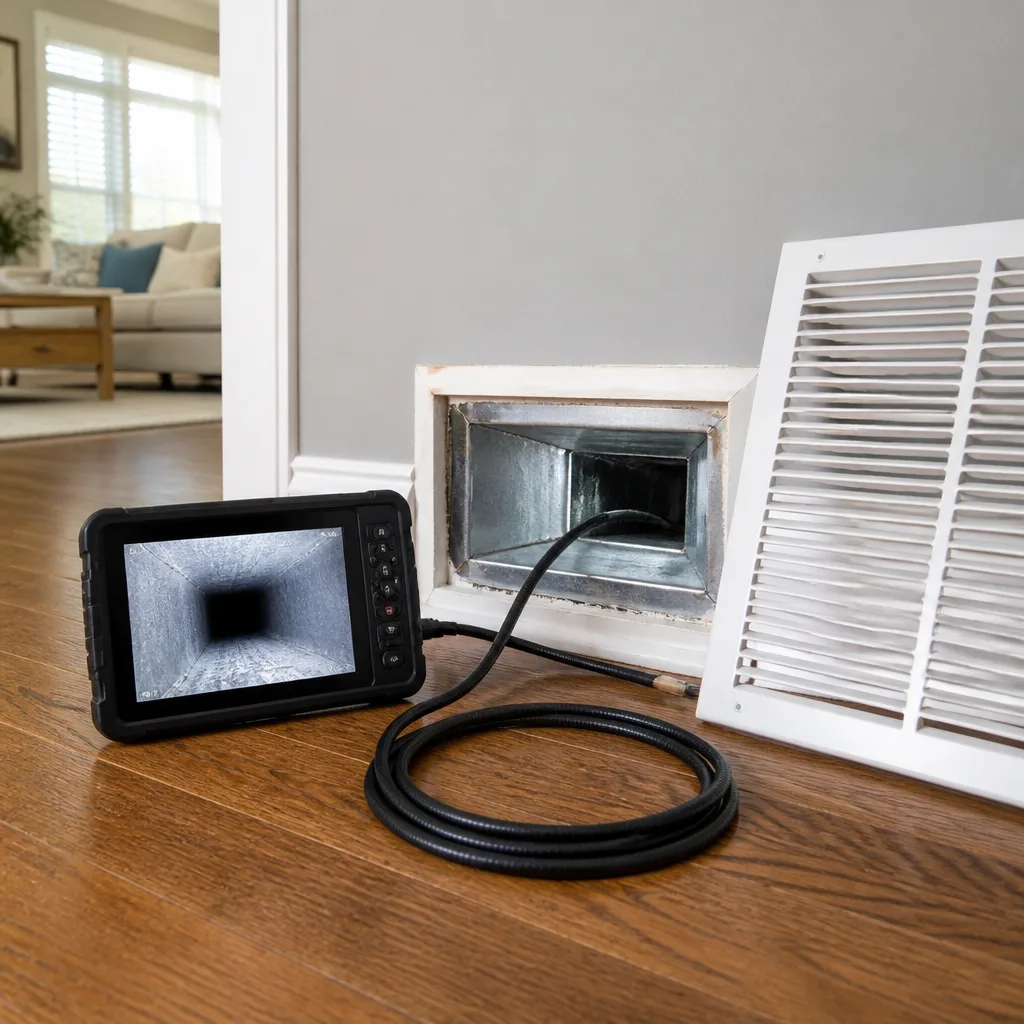 Camera inspection
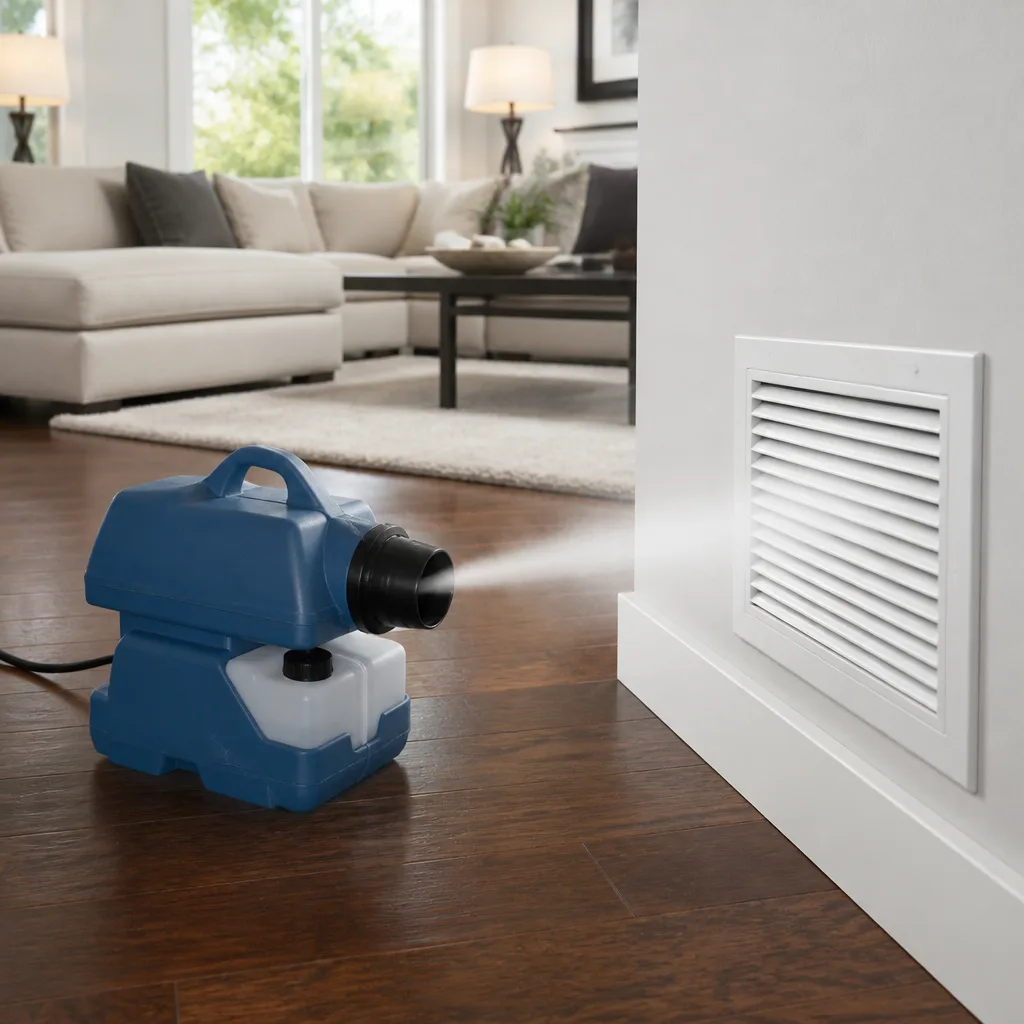 Sanitizing & deodorizing
Whole-system duct and dryer vent check with before-and-after photos - you see exactly what came out of your vents
That "$99 whole-house special" is a bait ad - the real number appears once they are in your hallway, or the "clean" is a shop-vac at the register. We photograph the inside of your ducts before and after instead.
Air Duct Cleaning Maintenance Schedule: What to Do and When
Most homeowners treat duct cleaning like a milestone: once every five years, if anyone remembers. The federal guidance that established that default is deliberately open-ended, and it assumes a house where nothing unusual is happening inside the ducts. Homes in Nashville rarely fit that assumption. Between the long cooling season and the spring pollen wall that rolls through Middle Tennessee every April, the conditions inside a typical Nashville duct system change faster than a five-year calendar can account for. What follows is a maintenance schedule built around how a Nashville house actually behaves, not a generic interval. You’ll learn what to check monthly, what belongs on an annual list, which environmental triggers shorten the safe cleaning window, and what to record after every cleaning so the next technician starts with a real baseline.
Quick Answer
Most Nashville homes should have the ducts cleaned every 3 to 5 years, but that interval shortens to roughly 2 to 3 years for homes with pets, recent renovations, heavy spring pollen exposure, crawlspace-mounted air handlers, or occupants with asthma or allergies. Vacuum the return filter every month and have the system visually inspected every year. Full mechanical cleaning is a scheduled event, not an annual one, and your filter’s clogging rate tells you more about your real interval than any calendar does.
Styles & brands we work with
- Whole-home duct cleaning
- Dryer vent cleaning
- Camera inspection
- Sanitizing & deodorizing
Table of Contents
- Why the Standard Interval Is Wrong for Nashville
- The Nashville Environmental Triggers That Shorten the Schedule
- The Tiered Maintenance Calendar: Monthly, Annually, Every 2 to 4 Years
- Using Your Filter as a Real-Time Indicator
- How Pets, Renovations, and Respiratory Conditions Change the Schedule
- What a Full Mechanical Cleaning Actually Involves
- What to Log After Every Cleaning
- Common Mistakes to Avoid
Why the Standard Interval Is Wrong for Nashville
The EPA’s widely quoted guidance says to clean ducts “as needed,” a phrase written to be geographically neutral. It doesn’t account for the difference between a bone-dry house in west Texas and a Nashville home running the air conditioner from April into October. Humidity is the variable that matters most, and Nashville’s summer air is thick. When relative humidity in a duct system climbs above roughly 60%, the dust that settles on interior surfaces stops being inert. It becomes food. Flex duct runs, especially, have a corrugated interior that traps that dust in a way rigid metal doesn’t, and biological growth in flex duct can begin inside a single cooling season when moisture is present.
That single fact breaks the five-year default. A home in a dry climate can accumulate five years of dust with no structural change to the material. A Nashville home can have a developing problem in eighteen months. This is why the schedule in this guide isn’t a single number. It’s a tiered calendar with triggers you monitor yourself. When we run air duct cleaning in Nashville, we often find flex runs in the valleys of the system holding dust that’s visibly stuck to the walls, not lying loose in the bottom of the duct. That’s a humidity story, not a neglect story.
The Nashville Environmental Triggers That Shorten the Schedule
Four conditions in this region change how fast a duct system loads up, and each is a reason to move your cleaning date forward rather than wait for the calendar. They combine, too. A home with a crawlspace air handler and two dogs sits at a very different risk level than a slab home with no pets.
- Extended cooling season. Nashville runs its air conditioners through an unusually long stretch of the year, and every one of those hours moves air across a cooling coil that condenses moisture. The coil stays wet more weeks of the year here than in cooler markets, and the duct run downstream of the coil carries that moisture with it.
- Relative humidity above 60%. This is the threshold where settled dust starts supporting biological growth rather than just sitting there. HVAC systems that cycle on and off let the interior walls of the duct warm and cool repeatedly, which can carry moisture further than the coil itself.
- Spring pollen load. Middle Tennessee’s spring green-up releases a heavy volume of tree pollen in a compressed window. Pollen entering through a return with a marginal or missing filter can collect across the whole return-side run in a matter of weeks, and it does not settle the way ordinary household dust does.
- Crawlspace and unconditioned-space equipment. Many older Nashville homes and mid-century neighborhoods place the air handler and part of the duct run in a crawlspace or unconditioned attic. Those spaces see ambient humidity, so the duct stays damp even when the house doesn’t.
Together these mean a Nashville home can reach the same debris load in roughly half the time of the national average. If you’re in a neighborhood with mature tree cover where spring pollen coats the cars, assume the short end of every range in this guide.
The Tiered Maintenance Calendar: Monthly, Annually, Every 2 to 4 Years
This is the core of the schedule. Think in three tiers: things you do monthly, things you do annually as an inspection, and things you do every few years as a full professional cleaning.
Monthly: the filter and a visual scan
- Open the return grille and pull the filter. Hold it up to a window or a light. If you can’t see through the pleats, it’s overdue.
- Vacuum the filter rather than only replacing it, unless you run a disposable. Reusable units catch debris but need regular attention at the monthly mark here.
- Look at the return grilles for visible dust lines or lint. A gray smear on the fins will show up before you feel a difference in airflow.
Annually: inspection and static pressure
- Book a visual inspection of the duct system. A competent technician pulls grilles, checks flex run connections, and photographs the inside of the trunk and a couple of branches.
- Ask for a static pressure reading. Static pressure is the resistance inside the system; a rising number over time points to debris loading or a duct problem, and it’s the single best measurement to compare against last year’s.
- Inspect the coil. A dirty evaporator coil is a sign that more material is traveling through the system than the filter is catching.
Every 2 to 4 years: full mechanical cleaning
The full cleaning is the deep tier. For most Nashville homes it lands between two and four years out, using the triggers above to pick the number. This is a scheduled service, not something to rush, and a professional crew using contact-cleaning equipment and a HEPA-filtered negative air machine will take the better part of a day.
If you’re not sure where your home sits, call (855) 473-8488 and we’ll talk through your situation. We answer 24/7, fast dispatch from 7am to 7pm, Sunday through Friday.
Using Your Filter as a Real-Time Indicator
Your filter is a live diagnostic tool if you pay attention to the rate at which it clogs, not just whether it’s dirty. A filter that used to last three months and now looks full in five weeks is telling you the duct system is shedding debris into the return faster than it used to. That’s a duct-load signal, not a filter problem, and no calendar will catch it for you.
How to read it: keep a note on the date you install each filter. When you swap it, write down the number of weeks it lasted. If the interval drops by more than a third from one change to the next, the system is loading up faster than before. That’s the point to schedule a full cleaning, regardless of when you last did it. The same reading points the other way too. If your filter lasts noticeably longer after a professional cleaning than it did before, the cleaning worked and you have a real measurement to justify the next interval rather than guessing.
This is also where equipment quality separates one cleaning from another. A cleaning done with a shop-vac and a brush agitates material without capturing all of it, which can actually pack more debris into the return run. A contact-cleaning tool like the Rotobrush system, paired with a HEPA-filtered negative air machine, pulls material out rather than stirring it up. The filter’s clogging interval afterward is how you tell the difference.
How Pets, Renovations, and Respiratory Conditions Change the Schedule
The four-year mark is a starting point, not a universal rule. Certain homes here need it far more often, and the schedule below adjusts for the conditions we see most.
Homes with pets
Pet dander and hair don’t just build up on furniture. They cycle into the return and collect on the duct walls, where they become part of the settled load. For a home with one or more shedding pets, the practical interval is closer to every 2 to 3 years, with monthly filter attention. A higher-efficiency pleated filter is worth it in these homes.
Homes under renovation or post-construction
Drywall dust, sawdust, and construction debris enter the duct system during any renovation, even with plastic sheeting up. A home that’s just finished a remodel should have the ducts cleaned within a few weeks of the work ending, and then reset to the standard interval from that date. Post-construction dust is exactly the kind of load that remediation-grade equipment is designed to handle, because ordinary duct runs and drywall dust don’t mix well.
Occupants with asthma, allergies, or respiratory sensitivity
In a household where someone has asthma or a diagnosed allergy, the cleaning becomes part of the indoor air quality plan rather than a maintenance chore. The interval tightens to every 2 years and the annual inspection should include a look at whether anything in the system is a source of irritation. That may lead to upgrades, and we work with Honeywell and Aprilaire systems for exactly that purpose. The cleaning itself uses Abatement Technologies air filtration equipment, the same category used in professional mold and construction remediation, when the home needs it.
What a Full Mechanical Cleaning Actually Involves
Knowing the process helps you tell a real cleaning from a surface pass, and it clarifies why the 2-to-4-year interval is the right one. Here is how a professional cleaning proceeds, in plain terms.
- Protect the space. The crew sets up and runs a HEPA-filtered negative air machine at the system to keep dust contained and pull it out, rather than let it drift into the room.
- Open the system. Return and supply grilles come off. The crew accesses the trunk and the branch runs.
- Contact-clean each run. A rotating brush and vacuum tool passes through every reachable length of duct. This is the step that actually moves material off the walls, and it’s where professional equipment such as the Rotobrush and Nikro tools matter most.
- Clean the components. The blower, plenum, and coil get attention, and the crew photographs them before and after.
- Inspect for repair needs. Loose connections, gaps at the register boots, and disconnected flex runs turn up during cleaning. We repair ducts as part of the same visit rather than hand you a list to chase.
- Reassemble and verify. Grilles go back on, the system is test-run, and you get photos so you can see the difference yourself.
For the dryer vent, which is often overlooked on any maintenance schedule, a separate pass clears the lint that accumulates and is a leading cause of residential fires. If you’ve never had it done, include it with your first full cleaning.
What to Log After Every Cleaning
The documentation most homeowners never keep is the one thing that makes the next cleaning intelligent. Write down what you saw and when, and hand it to whoever inspects the system next. Here’s what belongs in the record.
- The date of the cleaning and the contractor.
- The static pressure reading taken during inspection.
- Which duct runs were cleaned, and any that were inaccessible.
- Any repairs made in the visit, and what the technician inspected afterward.
- Photos of the system before and after.
- The number of weeks your filter lasts between changes, tracked over time.
- The cleaning interval the technician recommended for your specific home.
With that record in hand, the next decision isn’t a guess. You can compare last year’s static pressure to this year’s, look at the filter interval trend, and book or wait based on real evidence. If you move out or sell, the log is worth handing to the next owner, and it gives a new HVAC tech a baseline on day one.
Common Mistakes to Avoid
- Waiting five years because a national article said so. That interval assumes a dry climate and no pets. In Nashville’s humidity, five years is often two cleaning cycles too late.
- Running a marginal filter during spring pollen. A thin filter lets the pollen through into the return run. Use a higher-efficiency pleated filter through the spring months.
- Ignoring the filter interval because the calendar says it’s not time. The filter is a live gauge. If it’s clogging fast, the ducts are loading fast.
- Assuming a cleaning is enough and skipping repair. A cleaning that leaves a disconnected flex run or a gap at a boot will just let the system load up again. We repair ducts rather than hand off the problem.
- Forgetting the dryer vent entirely. It’s part of your ventilation system and carries a fire risk that has nothing to do with pollen or humidity. Put it on the annual list.
- Choosing a low-bid offer with no equipment disclosed. If a quote doesn’t say what equipment and what process, you don’t know what you’re paying for. Ask for the tool names and the before-and-after photos before booking.
- Skipping the log after a cleaning. No record means the next tech starts blind, and you can’t tell whether the interval needs to shorten or lengthen.
We’re a full-service provider for dryer vent cleaning as well as ducts, and we work in Nashville as a single accountable point of contact for cleaning, repair, and vent work.
See the difference
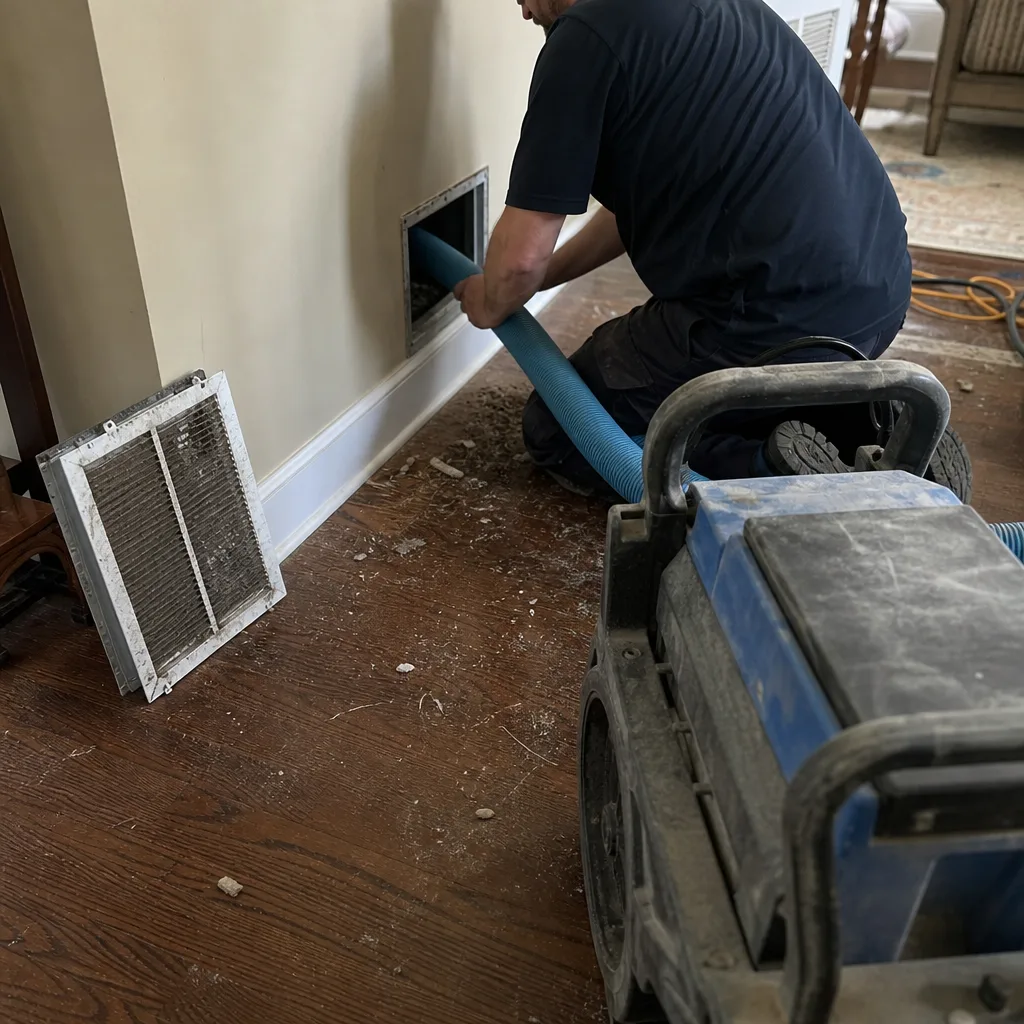 Before
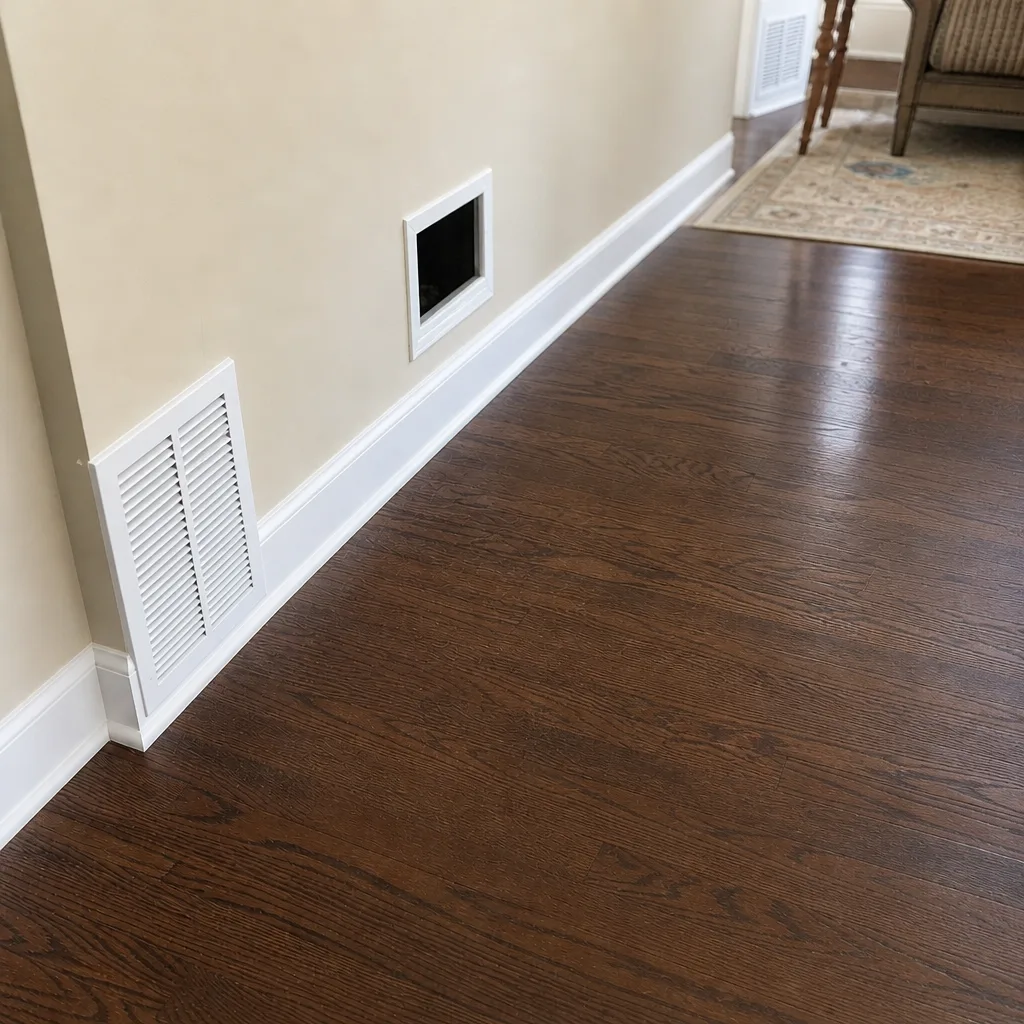 After
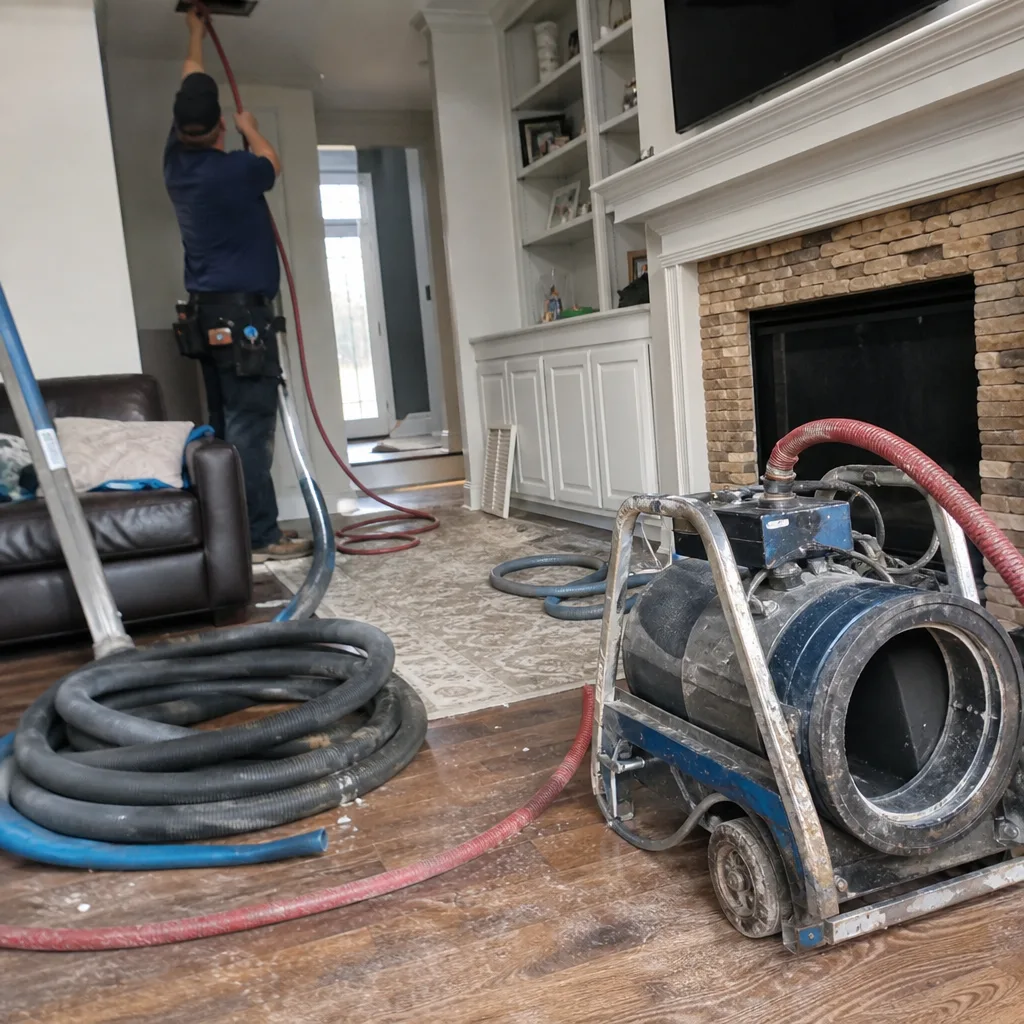 Before
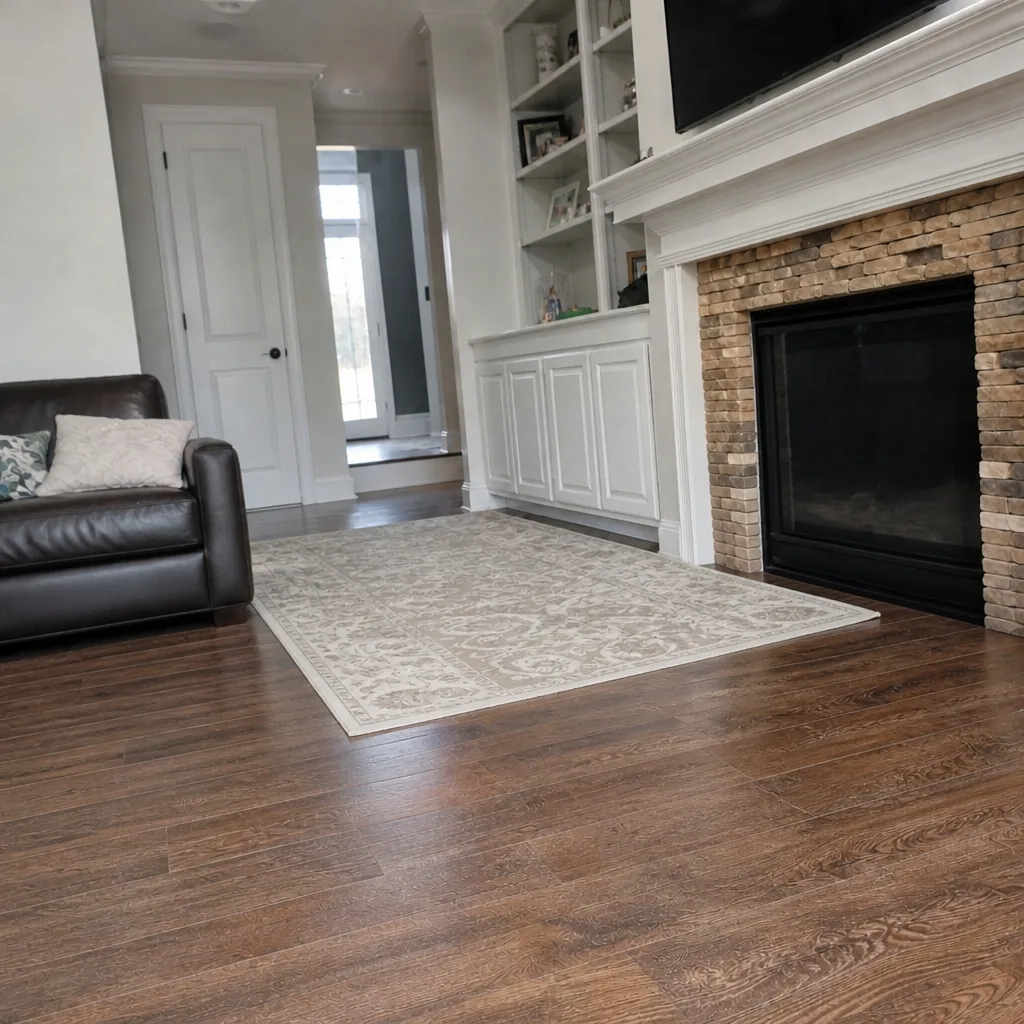 After
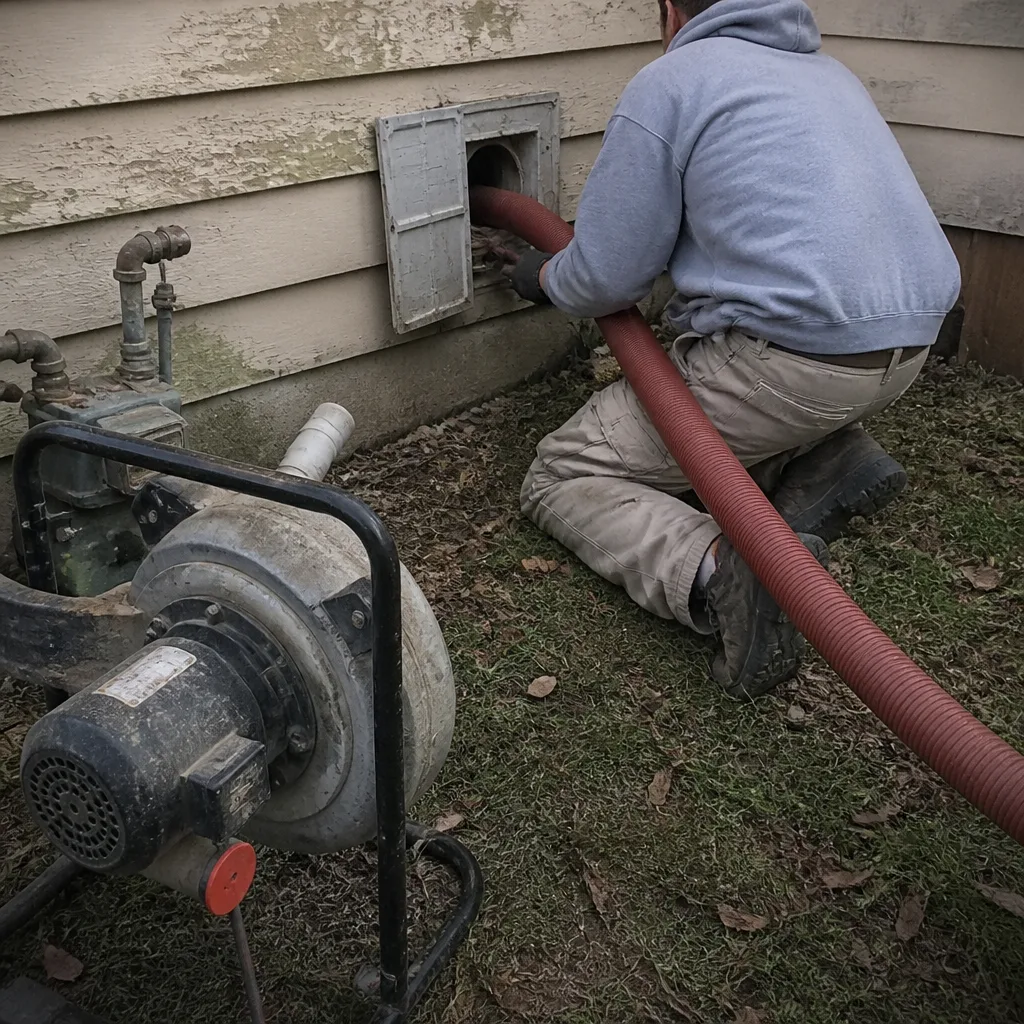 Before
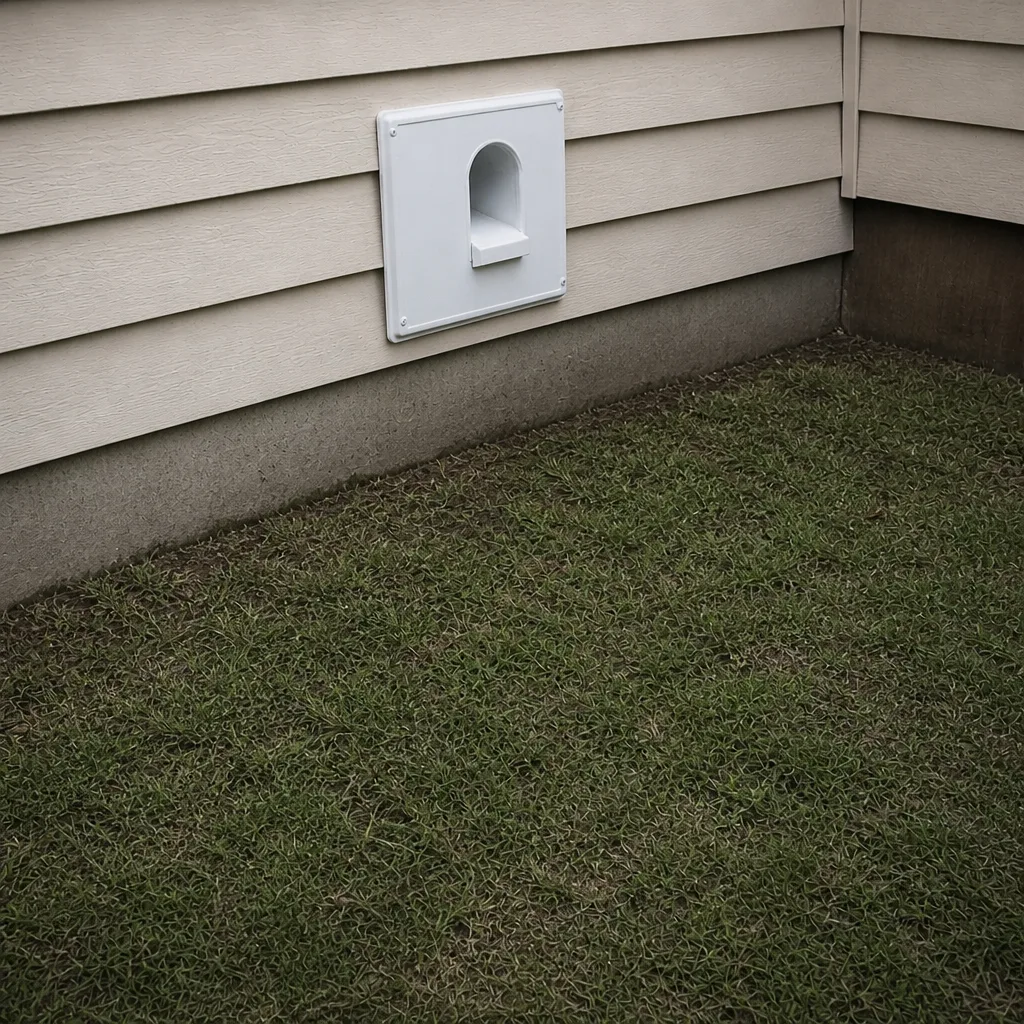 After
When to Call a Professional
Some situations call for a professional sooner than the calendar suggests. Call if you notice a musty or stale smell every time the air comes on. Call if your filter clogs in weeks instead of months. Call if you’ve recently finished a renovation, bought a home with an unknown service history, or have a family member with asthma or breathing concerns. Call if you hear a rattle in the supply runs, which often points to a loose connection. And call if the last cleaning was done with equipment you can’t identify. We offer free estimates in Nashville, and we’ll tell you whether you actually need a cleaning now or can wait. Call (855) 473-8488. We answer 24/7. Fast dispatch from 7am to 7pm, Sunday through Friday.
If you’re new to the area or haven’t had the ducts serviced before, start with the Duct Cleaning Nashville overview to understand the service before booking.
Frequently Asked Questions
Most Nashville homes should plan on a full cleaning every 3 to 5 years, but with Nashville’s extended cooling season, high summer humidity, and heavy spring pollen, the realistic interval for most homes is 2 to 4 years, and 2 to 3 for homes with pets, recent renovations, or someone with asthma or allergies. The trigger is your filter’s clogging rate, not the calendar. Call (855) 473-8488 for an exact schedule and estimate.
A low quote usually means entry-level equipment or a surface pass that agitates dust without capturing it, and the price often doesn’t cover the hours a real mechanical cleaning takes. We use Rotobrush and Nikro contact-cleaning tools and a HEPA-filtered negative air machine on every job, and every home gets one flat price agreed before work starts, with before-and-after photos. Call (855) 473-8488 for a free estimate.
Ask for before-and-after photos of your own ducts, plus the static pressure reading taken at inspection. Those two things let you verify the work rather than take it on faith, and the pressure number gives you a baseline to compare against the next visit. Call (855) 473-8488 to book a cleaning you can verify.
Persistent humidity above roughly 60% can support biological growth on the interior of flex duct within a single cooling season, and flex runs with a corrugated interior trap the dust that feeds it. If you smell a musty odor when the air comes on, that’s the sign to have the system inspected. Call (855) 473-8488 and we’ll take a look.
Yes. Crawlspace and unconditioned-attic air handlers sit in ambient humidity rather than conditioned air, so the ducts stay damp even when the house doesn’t, which shortens the safe interval by roughly a step. If your air handler lives in a crawlspace, lean toward the two-year end of the range and keep the annual inspection on the schedule. Call (855) 473-8488 and we’ll talk through your setup.
Record the date, the static pressure reading, which runs were cleaned and which were inaccessible, any repairs made, your before-and-after photos, and the weeks your filter lasts between changes. Keep it where you’d find it again, because that log is what makes the next schedule decision evidence-based rather than guesswork. Call (855) 473-8488 if you need help setting up the baseline.
The Bottom Line
A national five-year default doesn’t fit Nashville’s climate. The real schedule is three tiers: monthly filter attention, an annual visual inspection with a static pressure reading, and a full mechanical cleaning every 2 to 4 years, sooner if your home has pets, recent renovation dust, or someone with respiratory sensitivity. Your filter is a live gauge for the duct load. Keep a log of what you see each time, and the next cleaning decision makes itself. Check the Nashville page for service context before you book, and use professional equipment, real repair capability, and verifiable photos as the three tests for any quote you accept.
Ready to get your home on a schedule that matches how it actually lives? Duct Cleaning Nashville offers air duct cleaning, dryer vent cleaning, and air duct repair as one accountable provider, with professional-grade equipment on every visit. Call (855) 473-8488 for a free estimate. We answer 24/7. Fast dispatch from 7am to 7pm, Sunday through Friday.
Written by the team at Duct Cleaning Nashville.